
In This Article
Have you ever wondered why your expensive serums and actives seem to backfire, leaving your skin red, irritated, and perpetually thirsty? The answer often lies beneath the surface—in your skin’s protective barrier. When this crucial defense system breaks down, no amount of layering products will fix the underlying problem.
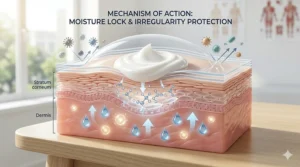
A skin barrier repair cream dermatologist trusts isn’t just another moisturizer. It’s a carefully formulated restoration system designed to rebuild the lipid matrix that keeps your skin healthy, hydrated, and resilient. Ceramides constitute the major lipid component of the stratum corneum, forming the epidermal permeability barrier alongside cholesterol and free fatty acids. Think of your skin barrier like a brick wall: skin cells are the bricks, and ceramides, cholesterol, and fatty acids are the mortar holding everything together.
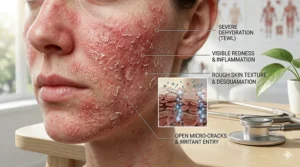
Without this mortar, your wall crumbles. Moisture evaporates, irritants penetrate, and inflammation sets in—a vicious cycle that many people mistake for “sensitive skin.” The truth? Your skin isn’t inherently sensitive; your barrier is compromised. And once you understand that distinction, everything changes.
What is skin barrier repair cream dermatologist-approved? It’s a specialized moisturizer formulated with a precise ratio of ceramides (typically 1, 3, and 6-II), cholesterol, and fatty acids that mimic your skin’s natural lipid composition. Unlike regular moisturizers that simply sit on top of your skin, these formulas actively reconstruct the protective barrier from within, addressing the root cause rather than masking symptoms.
Throughout this guide, I’ll walk you through seven dermatologist-recommended products that have transformed compromised skin barriers into healthy, functioning defense systems. Whether you’re recovering from over-exfoliation, managing eczema, or simply battling chronic dryness, you’ll find the right lipid replenishing moisturizer for your specific needs.
Quick Comparison Table
| Product | Key Ceramides | Best For | Price Range | Size |
|---|---|---|---|---|
| CeraVe Moisturizing Cream | 3 Essential (1, 3, 6-II) | All skin types, eczema-prone | $15-20 | 19 oz |
| La Roche-Posay Cicaplast Balm B5 | Madecassoside + Panthenol | Post-procedure, irritation | $15-18 | 1.35-3.38 oz |
| First Aid Beauty Ultra Repair Cream | 0.5% Colloidal Oatmeal | Sensitive, barrier strengthening | $18-38 | 2-14 oz |
| Aveeno Eczema Therapy Cream | 1% Colloidal Oatmeal + Ceramide | Eczema, severe dryness | $14-18 | 7.3 oz |
| Eucerin Advanced Repair Cream | Ceramide-3 + NMF | Very dry, compromised skin | $16-22 | 8-16 oz |
| AESTURA ATOBARRIER365 Cream | Triple Lipid Complex | Korean barrier care, sensitive | $20-28 | 2.7 oz |
| Dr. Jart+ Ceramidin Cream | 5-Ceramide Complex | Dehydrated, elasticity loss | $24-48 | 1.69-2.53 oz |
💬 Just one click – help others make better buying decisions too! 😊
✨ Don’t Miss These Exclusive Deals!
🔍 Take your skin barrier repair to the next level with these carefully selected products. Click on any highlighted item to check current pricing and availability. These formulas will help you restore authentic barrier health your dermatologist approves!
Top 7 Skin Barrier Repair Cream Dermatologist Recommends: Expert Analysis
1. CeraVe Moisturizing Cream – The Gold Standard Barrier Builder
If there’s one barrier repair serum with ceramides that dermatologists universally recommend, it’s this drugstore hero. CeraVe literally built its empire on barrier science, and for good reason.
Key Specifications:
- Ceramide Complex: 3 essential ceramides (1, 3, 6-II)
- MVE Technology: Continuous 24-hour ceramide release
- Additional Ingredients: Hyaluronic acid, petrolatum, dimethicone
The CeraVe Moisturizing Cream isn’t just affordable; it’s scientifically backed. This formula provides 24-hour hydration and helps restore the protective skin barrier with three essential ceramides enhanced with MVE delivery technology. The patented Multi-Vesicular Emulsion technology releases ceramides slowly over 24 hours rather than dumping them all at once, mimicking your skin’s natural lipid secretion pattern.
Customer feedback consistently highlights the cream’s rich yet non-greasy texture. One reviewer noted it absorbed within seconds without leaving a film, while another shared it completely eliminated their eczema flare-ups within two weeks. The National Eczema Association seal isn’t just marketing—it’s validation from an organization that rigorously tests products for safety and efficacy.
Pros:
✅ Pharmaceutical-grade ceramide ratio at drugstore prices
✅ Fragrance-free and non-comedogenic
✅ Suitable for face and body use
Cons:
❌ Jar packaging (less hygienic than pump)
❌ May feel too rich for humid climates
Price: $15-20 for 19 oz
Where to Buy: Amazon, Target, CVS
2. La Roche-Posay Cicaplast Balm B5 – The Post-Procedure Powerhouse
When your barrier isn’t just compromised but actually wounded, this compromised barrier treatment steps in. Dermatologists reach for Cicaplast after laser treatments, chemical peels, or whenever skin needs intensive repair.
Key Specifications:
- Star Ingredient: 5% Panthenol (Vitamin B5)
- Barrier Support: Madecassoside, shea butter
- Texture: Semi-occlusive balm
The La Roche-Posay Cicaplast Balm B5 takes a different approach from ceramide-heavy formulas. This multi-purpose soothing cream contains the proprietary Tribioma prebiotic complex alongside panthenol and madecassoside to hydrate cracked, chapped, and chafed skin. The formula creates a breathable shield that allows skin to heal while protecting it from environmental stressors.
Users rave about its instant soothing effect. Multiple reviews describe the “cooling sensation” upon application and visible redness reduction within hours. One person with rosacea called it a “miracle worker,” while another noted it’s the only product their dermatologist approved post-microneedling.
Pros:
✅ Clinically tested post-procedure
✅ Safe for babies 1 week and up
✅ Multi-use (face, body, lips, diaper area)
Cons:
❌ Thick texture may pill under makeup
❌ Smaller sizes for the price point
Price: $15-18 for 1.35-3.38 oz
Where to Buy: Amazon, Ulta, Dermstore
3. First Aid Beauty Ultra Repair Cream – The Sensitive Skin Savior
Eczema-prone skin requires a different kind of care, and FAB’s cult-favorite cream delivers exactly that through colloidal oatmeal—nature’s skin protectant.
Key Specifications:
- Active Ingredient: 0.5% colloidal oatmeal (FDA-recognized skin protectant)
- Barrier Boosters: Ceramides, shea butter, allantoin
- Certifications: National Eczema Association, National Psoriasis Foundation
The First Aid Beauty Ultra Repair Cream approaches barrier repair from a soothing-first angle. Formulated with colloidal oatmeal to help support the skin’s moisture barrier, this intensive moisturizer is clinically proven to strengthen the skin barrier in just 7 days. The whipped texture feels luxurious without the weight of traditional barrier creams.
What sets this apart is the clinical backing: in independent studies, it increased hydration by 169% and achieved 100% user agreement on soothing and moisturizing effects. Customers with reactive skin report they can finally use actives like retinol when paired with this cream, thanks to its barrier-strengthening properties.
Pros:
✅ Vegan, cruelty-free, gluten-free
✅ Fast absorption despite rich texture
✅ Fragrance-free original plus scented options
Cons:
❌ Higher price per ounce than drugstore alternatives
❌ May not provide enough occlusion for severely dry skin
Price: $18-38 (varies by size, 2-14 oz)
Where to Buy: Amazon, Sephora, Ulta
4. Aveeno Eczema Therapy Daily Moisturizing Cream – The Itch-Relief Specialist
When dryness crosses into dermatitis territory, this dermatologist-approved barrier care formula brings both hydration and therapeutic relief.
Key Specifications:
- Dual Action: 1% colloidal oatmeal + ceramide
- Relief Duration: 48-hour moisture
- Seals: National Eczema Association Seal of Approval
The Aveeno Eczema Therapy Cream specifically targets the itch-scratch cycle that worsens barrier damage. This eczema relief body lotion temporarily protects and helps relieve minor skin irritation and itching due to eczema while moisturizing for 48 hours to help prevent dry skin flare-ups. The ceramide enrichment helps strengthen the natural moisture barrier while colloidal oatmeal provides immediate symptomatic relief.
Users with chronic eczema describe it as “life-changing,” with several noting they’ve reduced their prescription steroid use after incorporating this cream. One parent shared it’s the only product their dermatologist approved for their toddler’s eczema, praising its gentle yet effective formula.
Pros:
✅ Steroid-free, fragrance-free, dye-free
✅ Non-comedogenic despite rich texture
✅ Clinically proven to reduce eczema symptoms
Cons:
❌ Tube can be difficult to squeeze when product runs low
❌ May take 1-2 weeks for full therapeutic benefits
Price: $14-18 for 7.3 oz
Where to Buy: Amazon, Walmart, Target
5. Eucerin Advanced Repair Cream – The Dermatologist Office Staple
Walk into any dermatology office, and you’ll likely spot Eucerin products. This advanced repair formula combines ceramides with Natural Moisturizing Factors for comprehensive barrier restoration.
Key Specifications:
- Lipid Restoration: Ceramide-3 + 5 Natural Moisturizing Factors
- Hydration Duration: 48 hours
- Formula Type: Lightweight despite intensive repair
The Eucerin Advanced Repair Cream takes a scientific approach to damaged moisture barrier restoration. Enriched with Ceramide-3 and Natural Moisturizing Factors, including amino acids naturally found in skin, it helps strengthen the skin’s moisture barrier and prevents dryness from reoccurring. The formula includes lactic acid for gentle exfoliation, addressing both barrier repair and surface texture simultaneously.
Customer testimonials emphasize the fast-absorbing texture—unusual for such an intensive repair cream. One user with severely dry hands noted visible improvement overnight, while another praised its ability to eliminate the tight, uncomfortable feeling associated with barrier damage. The fragrance-free, dye-free formula makes it suitable for even the most reactive skin.
Pros:
✅ Dermatologist-recommended for over 100 years
✅ Contains alpha hydroxy acids for enhanced penetration
✅ Available in jars and tubes
Cons:
❌ Contains AHA (increases sun sensitivity)
❌ Some users find the consistency changed recently
Price: $16-22 for 8-16 oz
Where to Buy: Amazon, CVS, Walgreens
6. AESTURA ATOBARRIER365 Cream – The K-Beauty Barrier Innovator
Korean skincare revolutionized the barrier care category, and AESTURA’s science-backed approach represents the cutting edge of microbiome barrier support.
Key Specifications:
- Triple Lipid Complex: Ceramides, fatty acids, cholesterol
- Hydration: 120 hours of lasting moisture
- K-Beauty Achievement: 1 unit sold every 7 seconds in Korea
The AESTURA ATOBARRIER365 Cream approaches barrier repair through the microbiome lens. This powerful blend of ceramides, fatty acids, and cholesterol helps strengthen the skin barrier while locking in moisture and protecting against external aggressors. The formula is specifically designed for post-microneedling use, demonstrating its gentle yet effective barrier-rebuilding capabilities.
What makes this stand out is the NEA (National Eczema Association) acceptance—rare for K-beauty products. Users describe a noticeable “barrier strengthening” feeling within days, with one reviewer noting their skin became visibly more resilient to environmental stress. The fragrance-free, colorant-free formulation appeals to minimalists seeking maximum efficacy.
Pros:
✅ Clinically tested for post-procedure use
✅ Non-comedogenic despite intensive hydration
✅ Formulated for extremely sensitive skin
Cons:
❌ Smaller size compared to Western counterparts
❌ Higher price per ounce
Price: $20-28 for 2.7 oz
Where to Buy: Amazon, YesStyle, K-beauty retailers
7. Dr. Jart+ Ceramidin Skin Barrier Moisturizing Cream – The Premium Ceramide Powerhouse
When you want pharmaceutical-level ceramide science in a luxurious package, Dr. Jart+’s 5-ceramide complex delivers results backed by clinical studies.
Key Specifications:
- Advanced Complex: 5-Ceramide blend + Panthenol
- Moisture Retention: 100 hours after single use
- Clinical Results: Strengthens barrier in 4 weeks
The Dr. Jart+ Ceramidin Cream represents the evolution of ceramide technology. This fast-absorbing, cushiony moisturizing cream with 5 Ceramides plus Panthenol strengthens the skin barrier, moisturizes, and boosts elasticity. The proprietary 5-Cera Complex goes beyond basic ceramide 1, 3, 6-II to include a broader spectrum of barrier-building lipids.
Clinical testing revealed impressive results: 100% of users reported improved skin appearance and barrier strength after four weeks. The cushiony texture absorbs without greasiness—a rare achievement for ceramide-rich formulas. Users with dehydrated, aging skin particularly appreciate the elasticity-boosting benefits, noting their skin feels “fuller” and more resilient.
Pros:
✅ Dermatologist-tested with clinical backing
✅ Rich texture without heaviness
✅ Visible improvement in skin bounce and texture
Cons:
❌ Premium price point
❌ May be too rich for oily skin in humid climates
Price: $24-48 (varies by size, 1.69-2.53 oz)
Where to Buy: Amazon, Sephora, Dr. Jart+ website
Understanding Damaged Moisture Barrier Restoration: The Science Behind Recovery
Your skin barrier isn’t just a passive shield—it’s a dynamic, living system that constantly renews itself. When functioning properly, it completes a full regeneration cycle every 28 days. Healthline’s comprehensive guide on skin barrier function explains that the outermost layer consists of tough skin cells bound together by mortar-like lipids. But when compromised, that cycle breaks down, creating a cascade of issues that extend far beyond simple dryness.
The stratum corneum, your skin’s outermost layer, contains approximately 50% ceramides by weight. These ceramides form the major lipid constituent of lamellar sheets in the intercellular spaces, providing the barrier property of the epidermis through equimolar concentrations of free fatty acids, cholesterol, and ceramides. According to research published in the Journal of the American Academy of Dermatology, alterations in ceramide content are associated with numerous skin diseases including atopic dermatitis. When these lipids become depleted—whether through over-cleansing, environmental damage, or natural aging—the “mortar” between your skin cells crumbles.
This is where a lipid replenishing moisturizer becomes non-negotiable. Unlike humectant-based moisturizers that simply attract water, lipid-replenishing formulas actually reconstruct the barrier structure. They provide the raw materials your skin needs to rebuild its protective matrix, addressing the root cause rather than masking symptoms.
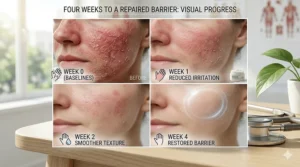
The restoration process follows a predictable timeline. Within 24-48 hours, you’ll notice reduced irritation and tightness as the immediate inflammatory response calms. By week two, transepidermal water loss decreases measurably. The real transformation happens between weeks 4-8, when your skin completes multiple renewal cycles with adequate lipid support, rebuilding a robust, healthy barrier.
What many people don’t realize is that barrier repair isn’t just about adding ceramides—it’s about the right ratio. Research shows that a 3:1:1 ratio of ceramides, cholesterol, and free fatty acids most closely mimics skin’s natural composition, yielding superior barrier restoration results compared to ceramide-only formulations.
How Barrier Repair Serum With Ceramides Differs From Regular Moisturizers
Walk down any skincare aisle, and you’ll face hundreds of “moisturizing” products. But here’s the truth: most moisturizers simply hydrate. A barrier repair serum with ceramides rebuilds.
Traditional moisturizers rely primarily on humectants (like hyaluronic acid and glycerin) to attract water to the skin’s surface, and occlusives (like petrolatum) to prevent evaporation. While these help maintain hydration, they don’t address structural barrier damage. It’s like mopping a floor with a leaky roof—you’re managing symptoms, not fixing the problem.
Ceramide-based barrier repair products take a fundamentally different approach. They deliver the actual building blocks your skin needs to reconstruct its lipid matrix. Think of it as supplying bricks and mortar to rebuild a crumbling wall, rather than just painting over the cracks.
The delivery system matters tremendously. Advanced formulations like CeraVe’s MVE technology or Dr. Jart+’s 5-Cera Complex ensure ceramides penetrate properly and release gradually, mimicking your skin’s natural lipid secretion. This time-released delivery prevents overwhelming the skin while maintaining consistent barrier support throughout the day.
Another crucial difference lies in molecular structure. Many conventional moisturizers use pseudo-ceramides—synthetic molecules that mimic ceramide structure but don’t perfectly match skin’s natural lipids. While better than nothing, they don’t provide the same structural integrity as true ceramides. Premium formulations use bioidentical ceramides that integrate seamlessly into your skin’s existing lipid layers.
The texture profile differs too. Barrier repair creams typically feel richer and more substantial because they contain higher concentrations of lipids. But modern formulations have evolved beyond the greasy, heavy creams of the past. Many now feature whipped textures or gel-cream hybrids that deliver intensive repair without the cosmetic weight.
Compromised Barrier Treatment: Identifying When Your Skin Needs Intervention
Your skin broadcasts distress signals when its barrier fails, but many people misinterpret these signs as “skin type” rather than barrier dysfunction. Understanding the difference between naturally dry skin and a compromised barrier can revolutionize your skincare approach.
Five Critical Warning Signs:
1. Products That Previously Worked Now Burn
When your trusted cleanser suddenly stings or your favorite serum causes redness, your barrier is crying for help. The American Academy of Dermatology notes that when your skin barrier is compromised, even gentle products can cause irritation. This heightened reactivity occurs because irritants can penetrate through gaps in your damaged lipid matrix. Even gentle, pH-balanced products may sting when your barrier can’t effectively block them from nerve endings.
2. Chronic Tightness That Moisturizer Can’t Fix
That uncomfortable taut feeling that returns within hours of moisturizing? Classic barrier dysfunction. Your skin is losing moisture faster than you can replenish it, creating a frustrating cycle. Traditional moisturizers provide temporary relief, but without lipid restoration, the tightness inevitably returns.
3. Flaking Despite Regular Exfoliation
Paradoxically, aggressive exfoliation often worsens barrier-related flaking. When your lipid matrix is damaged, skin cells can’t properly shed through normal desquamation. They accumulate in visible flakes, tempting you to exfoliate more—which further damages the barrier. The solution isn’t more exfoliation; it’s barrier restoration.
4. Increased Breakouts or Clogged Pores
A damaged barrier disrupts your skin’s natural pH and microbiome balance, creating conditions where acne-causing bacteria thrive. Additionally, when your barrier can’t regulate properly, oil production becomes erratic—sometimes overproducing to compensate for moisture loss. The result? Congestion, breakouts, and inflammation that traditional acne treatments can’t resolve.
5. Visible Changes in Skin Texture
Barrier damage manifests visually: crepey texture, loss of plumpness, more pronounced fine lines, and uneven tone. Patients with compromised skin barrier function show diminished barrier properties, with decreased ceramide levels and altered ceramide profiles characterizing many skin conditions. Your skin’s reflective quality dulls as the damaged barrier scatters light unevenly instead of reflecting it smoothly.
Recovery Timeline With Proper Treatment:
- Week 1: Reduced inflammation, less stinging from products
- Week 2-3: Improved moisture retention, decreased flaking
- Week 4-6: Visible texture improvement, strengthened resilience
- Week 8+: Full barrier restoration, normalized skin function
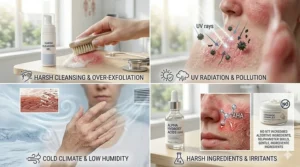
Dermatologist-Approved Barrier Care Routines: Building Your Repair Protocol
Creating an effective barrier repair routine requires strategic layering and deliberate ingredient selection. Here’s the dermatologist-approved approach that accelerates recovery while preventing further damage.
Morning Routine:
Step 1: Gentle Cleanse With pH-Balanced Formula
Start with a cream or gel cleanser with a pH between 4.5-5.5. Avoid sulfates, which strip essential lipids even faster than you can replace them. CeraVe Hydrating Cleanser or La Roche-Posay Toleriane Hydrating Gentle Cleanser work excellently for compromised barriers.
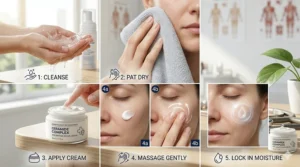
Step 2: Apply While Skin Is Damp
This is the dermatologist trick that doubles efficacy: apply your barrier repair cream to slightly damp skin. The residual moisture helps disperse the ceramides evenly and enhances penetration. Pat, don’t rub—friction damages fragile skin.
Step 3: Layer Your Ceramide Cream Generously
Don’t skimp. A compromised barrier needs concentrated lipid support. Apply a nickel-sized amount for your face, and use upward, gentle patting motions to avoid tugging sensitive skin.
Step 4: Seal With Sunscreen
UV damage is barrier damage. Choose a mineral sunscreen with zinc oxide or titanium dioxide—these physically shield without penetrating and irritating compromised skin. Chemical filters can sting damaged barriers.
Evening Routine:
Step 1: Remove Makeup With Oil-Based Cleanser (If Wearing)
Oil dissolves oil-based products without stripping. Follow with your gentle, pH-balanced second cleanse.
Step 2: Skip Actives During Active Repair
Resist the temptation to use retinoids, acids, or vitamin C while your barrier heals. These ingredients require an intact barrier to tolerate. Wait until your skin shows consistent improvement (typically 4-6 weeks) before reintroducing them.
Step 3: Apply Barrier Repair Cream to Damp Skin
Evening is when your skin does its deepest repair work. Support that process with your ceramide-rich moisturizer.
Step 4: Optional Occlusive Layer
For severely compromised barriers, dermatologists recommend “slugging”—applying a thin layer of pure petroleum jelly over your barrier cream. This creates an occlusive seal that prevents transepidermal water loss overnight, accelerating recovery. Try this 2-3 times weekly rather than every night to avoid overwhelming your skin.
Weekly Additions:
Ceramide Face Masks:
Once weekly, use an intensive barrier repair mask like Dr. Jart+ Ceramidin Cream-Infused Mask for a concentrated lipid boost. These provide a megadose of ceramides that support ongoing barrier rebuilding.
Avoid These Barrier Saboteurs:
- Hot water (damages lipid structures)
- Over-cleansing (more than twice daily)
- Mechanical exfoliation (scrubs, brushes, loofahs)
- Fragrance (even “natural” essential oils)
- Alcohol denat or SD alcohol (extremely drying)
- High percentages of witch hazel (astringent properties strip lipids)
Microbiome Barrier Support: The Next Frontier in Dermatologist Care
Emerging research reveals your skin barrier isn’t just a physical wall—it’s a complex ecosystem where beneficial microorganisms play a crucial protective role. This microbiome barrier support represents the cutting edge of dermatological science.
Your skin hosts trillions of microorganisms forming a protective biofilm. When balanced, this microscopic community produces antimicrobial peptides, regulates pH, and even synthesizes certain ceramides. But barrier damage disrupts this delicate ecosystem, creating a vicious cycle where dysbiosis worsens barrier dysfunction, which further promotes microbial imbalance.
How Microbiome-Friendly Formulas Differ:
Traditional barrier creams focus solely on lipid replacement. Microbiome-supportive formulas take it further by including prebiotics (food for beneficial bacteria) and ensuring pH compatibility with your skin’s acid mantle. AESTURA’s formulations exemplify this approach, combining barrier lipids with microbiome-nurturing ingredients.
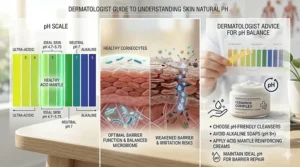
The pH factor matters more than most people realize. Your skin’s optimal pH sits around 4.7—slightly acidic. This acidity supports beneficial bacteria while discouraging pathogenic species. Many conventional moisturizers have alkaline pH values that temporarily disrupt this balance. Look for products specifically formulated at skin-compatible pH levels.
Avoid these microbiome disruptors during barrier repair: preservatives like methylisothiazolinone, antibacterial ingredients like triclosan, and high concentrations of essential oils. While these might seem beneficial, they often indiscriminately eliminate both beneficial and harmful microorganisms.
Building Microbiome Resilience:
Beyond topical products, your barrier’s microbiome responds to lifestyle factors. Diet particularly influences skin bacteria composition—fermented foods, diverse fiber intake, and adequate omega-3s support both gut and skin microbiome health. Stress management matters too; cortisol directly impacts barrier lipid production and microbial balance.
The future of barrier repair lies in precision microbiome support. As testing technology advances, personalized formulations based on your unique skin microbiome profile will become standard. We’re transitioning from one-size-fits-all barrier creams to targeted interventions that address both lipid deficiency and microbial imbalance.
Special Considerations: Barrier Repair for Different Skin Conditions
Not all compromised barriers are created equal. Different underlying conditions require nuanced approaches to restoration.
For Atopic Dermatitis (Eczema):
Eczema represents severe, chronic barrier dysfunction with a strong genetic component. A comprehensive review in the Journal of the American Academy of Dermatology emphasizes that therapeutic moisturizers containing ceramides remain foundational to atopic dermatitis management. Alterations in ceramide molecular profiles are characteristic of atopic dermatitis, with decreased total ceramide content and specific changes in ceramide patterns. Treatment must address both the lipid deficiency and the inflammatory cascade.
Choose formulations with colloidal oatmeal (like Aveeno Eczema Therapy) which provides anti-inflammatory benefits alongside barrier repair. According to the National Eczema Association, skin barrier moisturizers infused with lipids and ceramides form a protective layer that locks in moisture while keeping out irritants. The 1% colloidal oatmeal acts as a skin protectant while ceramides rebuild the compromised structure. Apply immediately after bathing while skin is still damp to seal in moisture.
Avoid: Lanolin (common allergen in eczema patients), botanical extracts (potential irritants), and fragranced formulas even if labeled “natural.”
For Psoriasis:
Psoriatic skin shows altered ceramide profiles different from eczema. The rapid cell turnover characteristic of psoriasis creates abnormal lipid composition in the stratum corneum. Your barrier cream needs to address both the lipid deficiency and the excessive scaling.
Look for formulations that combine ceramides with gentle keratolytics like urea or lactic acid. Eucerin Advanced Repair Cream works well here, as the lactic acid helps manage scale while ceramides restore barrier function.
For Rosacea:
Rosacea involves barrier dysfunction complicated by vascular instability and inflammatory triggers. Your skin needs intensive barrier support but can’t tolerate potentially irritating lipid sources or occlusive ingredients that trap heat.
Opt for lightweight barrier creams with soothing ingredients. La Roche-Posay Cicaplast Balm B5’s panthenol and madecassoside provide barrier repair with anti-inflammatory benefits. Apply in thin layers rather than thick applications which can trigger flushing.
For Aging Skin:
Natural ceramide production declines with age, contributing to barrier thinning and increased transepidermal water loss. Mature skin requires concentrated lipid support but also benefits from ingredients that address elasticity.
Dr. Jart+ Ceramidin Cream excels here with its 5-ceramide complex plus panthenol for moisture retention. The clinical studies showing improved elasticity make it ideal for aging barriers that need both structural repair and functional improvement.
For Acne-Prone Skin:
Many acne sufferers avoid rich creams, but barrier damage often worsens acne by disrupting pH balance and sebum regulation. The key is finding non-comedogenic barrier repair that won’t clog pores.
CeraVe Moisturizing Cream holds the National Eczema Association seal yet is non-comedogenic, making it ideal for acne-prone barrier damage. The lightweight texture despite intensive repair capabilities prevents pore-clogging while rebuilding barrier function.
Ingredient Deep Dive: What Makes a Ceramide Formula Truly Effective
Not all ceramide creams deliver equivalent results. Understanding the science behind ingredient selection helps you evaluate formulations critically.
The Ceramide Types That Matter:
Ceramide 1 (EOS): Critical for barrier integrity, particularly the long-chain fatty acids that create the lipid “scaffolding.”
Ceramide 3 (NP): The most abundant in healthy skin, primarily responsible for moisture retention.
Ceramide 6-II (AP): Supports both barrier function and cell renewal signaling.
Premium formulations include all three in ratios that mirror natural skin composition. Some advanced products (like Dr. Jart+ Ceramidin) expand to 5+ ceramide types for broader spectrum repair.
Supporting Players:
Cholesterol: Works synergistically with ceramides, providing structural stability to lipid bilayers. According to research on skin barrier function, the stratum corneum intercellular lipid lamellae require equimolar concentrations of free fatty acids, cholesterol, and ceramides for optimal barrier function. Without adequate cholesterol, even high-quality ceramides can’t organize into proper lamellar structures.
Free Fatty Acids: Particularly linoleic acid (omega-6), which supports ceramide synthesis and reduces inflammation. Depleted linoleic acid levels correlate with various barrier disorders.
Niacinamide: Stimulates ceramide production from within rather than just supplying external lipids. At 2-5% concentrations, it enhances the skin’s natural ability to generate ceramides while reducing inflammation.
Panthenol (Provitamin B5): Enhances moisture retention and supports barrier repair from a different angle than ceramides. It penetrates easily, converting to pantothenic acid which aids in natural lipid synthesis.
Natural Moisturizing Factors (NMF): A complex of amino acids, urea, and lactic acid that naturally occur in healthy stratum corneum. Eucerin’s inclusion of NMF alongside ceramides addresses both lipid and water-binding components of barrier health.
What to Avoid:
Denatured Alcohol: Lists as “alcohol denat” or “SD alcohol.” Extremely drying and directly damages lipid structures you’re trying to rebuild.
Fragrance: Even in small amounts, synthetic fragrance can trigger inflammatory responses in compromised barriers. “Natural” essential oils are equally problematic despite marketing claims.
Excessive Botanical Extracts: While some plant-derived ingredients benefit skin, long ingredient lists with numerous botanical extracts increase allergic reaction risk. Compromised barriers are more permeable to potential allergens.
Formaldehyde-Releasing Preservatives: Including quaternium-15, DMDM hydantoin, and diazolidinyl urea. These can irritate already-sensitive skin.
Maximizing Results: Advanced Application Techniques Dermatologists Use
The best barrier repair cream delivers subpar results with poor application technique. Here are the professional protocols dermatologists teach for optimal barrier restoration.
The Damp Skin Rule:
Apply barrier creams within 3 minutes of washing while skin retains residual moisture. This “wet wrap” principle enhances ceramide distribution and penetration. The water creates channels through the stratum corneum, allowing lipids to integrate more effectively into existing barrier structures.
For severely compromised barriers, try this professional technique: after applying your barrier cream to damp skin, mist with thermal water or plain water, then apply a second thin layer. This “moisture sandwich” creates optimal hydration for lipid organization.
Strategic Layering:
If using multiple barrier-supporting products, apply them from thinnest to thickest consistency:
- Ceramide serum (if using)
- Barrier repair cream
- Facial oil or occlusive (evening only)
Allow 60-90 seconds between layers. This gives each product time to begin absorbing without creating a slippery, impenetrable film that blocks subsequent products.
The Slugging Protocol:
For intensive barrier repair, try “slugging” 2-3 nights weekly:
- Complete evening routine through barrier cream
- Wait 10 minutes for full absorption
- Apply thin layer of pure petroleum jelly over face
- Sleep with occlusive seal
This technique prevents transepidermal water loss overnight, allowing maximum ceramide integration. Don’t overdo it—nightly slugging can lead to milia (small white bumps) from excessive occlusion.
Problem Area Targeting:
Certain areas suffer barrier damage more severely: around nose, eye corners, laugh lines. Apply extra barrier cream to these high-stress zones. Use your ring finger (which naturally applies less pressure) for delicate eye areas.
Environmental Adjustments:
Cold, Dry Climates: Increase application frequency. Consider barrier cream midday if skin feels tight.
Hot, Humid Climates: Use lighter application, focus on barrier serums rather than heavy creams during daytime.
Air-Conditioned Offices: Keep travel-size barrier cream at your desk for mid-afternoon reapplication.
Avoid Common Mistakes:
❌ Rubbing Vigorously: Damages fragile barrier further. Pat gently instead.
❌ Using Too Little Product: Skimping prevents adequate lipid delivery. Be generous.
❌ Applying to Bone-Dry Skin: Reduces penetration and efficacy significantly.
❌ Mixing With Active Ingredients: During active repair, keep it simple. Add actives back after 4-6 weeks.
When to See a Dermatologist: Professional Intervention Signals
While over-the-counter barrier repair creams resolve most cases of compromised barriers, certain situations require professional evaluation.
Seek Dermatologist Care If:
No Improvement After 6-8 Weeks:
Consistent use of appropriate barrier repair products should show measurable improvement within this timeframe. Persistent dysfunction suggests underlying conditions requiring prescription intervention or diagnostic testing.
Progressive Worsening Despite Treatment:
If your barrier continues deteriorating even with proper ceramide support, you may have an undiagnosed condition like ichthyosis vulgaris, Netherton syndrome, or other genetic barrier disorders requiring specialized treatment.
Weeping, Crusting, or Signs of Infection:
Compromised barriers increase infection susceptibility. Yellow crusting, oozing, or spreading redness indicates bacterial superinfection requiring prescription antibiotics.
Severe, Widespread Eczema:
When barrier dysfunction affects large body areas or significantly impacts quality of life, prescription treatments (topical steroids, immunomodulators, or biologics) may be necessary alongside barrier repair.
Unexplained Skin Changes:
New moles, changing lesions, or unusual growths need professional evaluation regardless of barrier status.
Dermatologists Can Provide:
- Prescription-strength barrier repair formulations
- Identification of underlying conditions complicating recovery
- Patch testing to identify specific allergens damaging your barrier
- Advanced treatments like phototherapy for severe cases
- Personalized protocols addressing your specific barrier deficiency patterns
Don’t interpret needing professional help as failure. Some barrier issues have genetic or systemic components requiring medical intervention beyond topical care.
FAQ
❓ How long does skin barrier repair cream dermatologist-recommended actually take to work?
❓ Can I use barrier repair serum with ceramides if I have oily skin?
❓ What's the difference between damaged moisture barrier restoration and regular moisturizing?
❓ Should I stop using retinol when treating a compromised barrier?
❓ What makes dermatologist-approved barrier care different from regular skincare?
Conclusion: Your Pathway to Permanent Barrier Health
Your skin barrier isn’t a skincare trend—it’s the foundation of skin health. When functioning properly, it keeps you comfortable, protected, and radiant. When compromised, no amount of expensive serums or elaborate routines can compensate.
The seven products we’ve explored represent different approaches to the same goal: reconstructing the lipid matrix that protects your skin. Whether you choose CeraVe’s pharmaceutical-grade ceramide ratio, La Roche-Posay’s post-procedure healing, or Dr. Jart+’s 5-ceramide luxury, you’re investing in the structural integrity that underlies every skincare goal.
Remember that barrier repair requires patience. Your skin didn’t become compromised overnight, and it won’t heal instantly. But with consistent use of appropriate ceramide formulations, strategic application techniques, and lifestyle modifications that support barrier health, you’ll transform not just your skin’s appearance but its fundamental resilience.
The most powerful skincare step isn’t the newest serum or the most expensive treatment—it’s the deliberate, science-backed restoration of your skin’s natural protective system. Everything else builds on that foundation.
Start tonight. Choose your barrier repair cream, apply it to damp skin, and commit to the 6-8 week journey toward truly healthy skin. Your future self will thank you for this investment in foundational skin health.
Recommended for You
- 7 Best Thick Moisturizers for Extremely Dry Skin (2026)
- 7 Best Ultra Hydrating Cream for Winter Dryness That Work (2026)
- 7 Best Mattifying Face Mist for Touch-Ups in 2026
Disclaimer: This article contains affiliate links. If you purchase products through these links, we may earn a small commission at no additional cost to you.
✨ Found this helpful? Share it with your friends! 💬🤗
