
In This Article
If you’ve been battling stubborn dark spots, age spots, or post-acne marks that refuse to fade, you’re not alone. The frustration of trying product after product only to see minimal results is something I hear constantly from readers. Here’s the truth most skincare brands won’t tell you: not all brightening ingredients are created equal, and some of the most heavily marketed ones can actually do more harm than good.
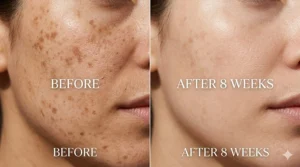
Enter alpha arbutin serum dark spots treatment—the gentle giant of skin brightening that dermatologists have been quietly recommending for years. Unlike harsh alternatives that can irritate sensitive skin or cause long-term damage, alpha arbutin works by targeting melanin production at its source without compromising your skin’s protective barrier. What most buyers overlook is that alpha arbutin isn’t just another trendy ingredient; it’s a naturally derived compound extracted from bearberry plants that has solid clinical research backing its effectiveness. Studies published in the National Library of Medicine show that formulations containing 2% alpha arbutin combined with complementary ingredients can significantly reduce melanin content and improve overall skin clarity in as little as 8-12 weeks.
But here’s where it gets interesting: the concentration matters far less than the formulation synergy. You could spend big money on a 7% alpha arbutin cream that sits on your skin’s surface doing nothing, or invest in a well-formulated 2% serum with penetration enhancers that delivers visible results. This guide cuts through the marketing noise to show you exactly which products work, why they work, and which type of dark spot sufferer you are so you can match yourself to the right solution.
Quick Comparison Table: Top Alpha Arbutin Serums at a Glance
| Product | Alpha Arbutin % | Key Partners | Best For | Price Range |
|---|---|---|---|---|
| The Ordinary Alpha Arbutin 2% + HA | 2% | Hyaluronic Acid | Budget-conscious beginners | $10-$15 |
| COSRX Discoloration Care Serum | 2% | Niacinamide, Tranexamic Acid, Glutathione | Post-acne hyperpigmentation | $20-$28 |
| Minimalist Dark Spots Serum | 2% | Butylresorcinol, Lactic Acid | UV-induced tanning | $15-$20 |
| Naturium Alpha Arbutin Serum | 2% | Niacinamide, Lemon Extract | Overall tone evening | $16-$22 |
| TOSOWOONG Niacinamide 10% Arbutin 7% | 7% | Niacinamide 10%, Tranexamic Acid | Stubborn melasma | $18-$25 |
| TOSOWOONG Alpha Arbutin 2% Rice Serum | 2% | Rice Water 74%, Niacinamide | Dry skin with pigmentation | $16-$24 |
| PHD 2% Alpha Arbutin Depigmentation | 2% | Tripeptide-1, Tyrobright Tech | Indian/Asian skin tones | $22-$30 |
Analysis: Looking at this comparison, beginners dealing with mild dark spots should start with The Ordinary’s straightforward formula—it delivers clinical-strength alpha arbutin without overwhelming your skin with actives. However, if you’re battling post-inflammatory hyperpigmentation from acne, the COSRX serum’s four-ingredient attack (alpha arbutin + niacinamide + tranexamic acid + glutathione) targets discoloration from multiple angles, which explains why users report faster visible improvement despite the higher price point. For severe melasma cases, TOSOWOONG’s 7% concentration paired with 10% niacinamide offers the most aggressive brightening power, but sensitive skin types should approach this one cautiously and do a patch test first.
💬 Just one click — help others make better buying decisions too! 😊
✨ Don’t Miss These Exclusive Deals!
🔍 Take your skincare routine to the next level with these carefully selected alpha arbutin serums. Click on any highlighted product to check current pricing and availability. These melanin reducing skincare safe options will help you achieve the even skin tone your confidence deserves!
Top 7 Alpha Arbutin Serum Dark Spots Treatments: Expert Analysis
1. The Ordinary Alpha Arbutin 2% + Hyaluronic Acid – The Smart Starter
This no-nonsense serum from The Ordinary delivers exactly what its name promises: 2% purified alpha arbutin suspended in a hyaluronic acid base for maximum skin penetration. What sets this apart isn’t fancy packaging or celebrity endorsements—it’s the formulation’s elegant simplicity that lets alpha arbutin do its job without interference from conflicting actives.
The water-based texture absorbs within seconds, making it perfect for layering under your regular moisturizer and sunscreen. In practical terms, the 2% concentration means you’re getting a clinically effective dose without the irritation risk that comes with higher percentages. Paired with sodium hyaluronate (the salt form of hyaluronic acid that actually penetrates better than standard HA), this formula keeps skin hydrated while the alpha arbutin gets to work inhibiting tyrosinase enzyme activity.
Who this is for: Skincare beginners nervous about introducing actives, anyone on a tight budget who still wants clinical results, and minimalists who prefer simple routines. This serum is your gateway drug to serious brightening without the commitment anxiety of expensive treatments. College students dealing with post-acne marks particularly love this because the $12-ish price point means you can actually afford to use it consistently for the 8-12 weeks needed to see results.
Customer feedback: Users consistently praise the lightweight texture and how well it plays with other products, though some wish for faster results. The most common complaint? The dropper design—many buyers transfer it to a pump bottle for easier daily use.
Pros:
✅ Unbeatable price-to-performance ratio
✅ Clean ingredient list with zero fragrance
✅ Layers beautifully under makeup and sunscreen
Cons:
❌ Basic dropper packaging feels less luxurious
❌ Results require patience (8-10 weeks minimum)
Price & Value Verdict: In the $10-$15 range, this is the gold standard for budget-conscious shoppers. You’re essentially getting pharmaceutical-grade alpha arbutin without paying for marketing hype.
2. COSRX 2% Alpha Arbutin Discoloration Care Face Serum – The Post-Acne Specialist
COSRX designed this serum specifically to tackle post-inflammatory hyperpigmentation, and it shows in the strategic ingredient roster. Beyond the 2% alpha arbutin foundation, you’re getting niacinamide to strengthen your skin barrier, tranexamic acid to interrupt melanin transfer, and glutathione for antioxidant protection—all working in concert to fade those stubborn red and brown marks acne leaves behind.
Here’s what the ingredient panel doesn’t tell you: the addition of ferulic acid accelerates scar healing by supporting collagen production, which means you’re not just lightening spots but actually improving skin texture simultaneously. The serum’s lightweight, fast-absorbing finish suits acne-prone skin that tends to rebel against heavy formulas. At 1.7 fl oz, you’re getting nearly double the volume of standard 1 oz serums, which matters when you need to apply this to larger areas like your chest and back where body acne often strikes.
Who this is for: Anyone dealing with the aftermath of hormonal acne breakouts, people with combination or oily skin who need brightening without added grease, and those frustrated by red marks that refuse to fade even after the pimple is long gone. If your bathroom counter looks like a science lab with 10 different spot treatments that barely work, this all-in-one approach is your intervention.
Customer feedback: Korean skincare enthusiasts rave about this, noting that the Korean beauty industry’s focus on glass skin perfection means formulations tend to be more sophisticated. Some users report visible fading of acne marks within 4-6 weeks, though results vary based on how deep the pigmentation sits.
Pros:
✅ Multi-ingredient synergy targets discoloration from four angles
✅ Suitable for sensitive, acne-prone skin
✅ Larger bottle size offers better value
Cons:
❌ Higher price point than single-ingredient serums
❌ May cause purging in first 2 weeks (normal for acne-prone skin)
Price & Value Verdict: Around $20-$28, the COSRX serum costs more upfront but the combination formula means you can skip buying separate niacinamide and tranexamic acid products, actually saving money in the long run.
3. Minimalist Dark Spots Removal Serum with 2% Alpha Arbutin – The UV Damage Fighter
Minimalist’s approach to alpha arbutin serum dark spots treatment zeroes in on a problem most brands ignore: UV-induced tanning and sun damage that accumulates over years of inadequate sun protection. The secret weapon here is butylresorcinol, a relatively unknown ingredient that research shows is 23 times more potent than kojic acid at reducing age spots without the irritation kojic acid often causes.
The formula also includes lactic acid, a gentle alpha hydroxy acid that exfoliates dead skin cells to allow the alpha arbutin better penetration into the epidermis where melanin production happens. What buyers often miss is that the alpha arbutin in this serum comes from Royal DSM in the Netherlands, a pharmaceutical-grade supplier that maintains stricter purity standards than generic sources. For Indian skin particularly prone to tanning and uneven tone, this formulation was specifically developed to address pigmentation patterns common in South Asian genetics.
Who this is for: Sun worshippers paying the price for years of beach vacations, anyone living in high-UV regions who battles constant tanning, and people with Fitzpatrick skin types III-V where sun-induced pigmentation is notoriously stubborn. If you diligently wear sunscreen now but are trying to undo damage from your reckless twenties, this targets exactly that.
Customer feedback: Users in tropical climates report this works exceptionally well for fading tan lines and sun spots, with many noting that the lightweight texture doesn’t feel heavy in humid weather. Some mention the lactic acid provides a subtle glow bonus they didn’t expect.
Pros:
✅ Pharmaceutical-grade alpha arbutin from premium supplier
✅ Butylresorcinol amplifies brightening power significantly
✅ Formulated specifically for tanning-prone skin types
Cons:
❌ Lactic acid may cause sensitivity in very reactive skin
❌ Less readily available outside certain markets
Price & Value Verdict: In the $15-$20 range, you’re getting premium ingredients at mid-tier pricing. The butylresorcinol alone would cost you more if purchased separately.
4. Naturium Alpha Arbutin Serum 2% – The All-Rounder
Naturium’s clean beauty approach delivers 2% alpha arbutin alongside niacinamide and lemon fruit extract in a vegan, cruelty-free package that appeals to conscious consumers. What makes this formula interesting is the lemon extract—not for its vitamin C content as you might assume, but for the natural fruit acids that gently exfoliate while the alpha arbutin works on melanin suppression.
The niacinamide percentage sits around 3-5% based on the formula’s behavior (Naturium doesn’t disclose exact amounts), which is the sweet spot for strengthening skin barrier without the flushing some people experience at 10% concentrations. The serum has a slightly thicker consistency than pure water-based formulas, which some users prefer because it feels more substantial during application, though it still absorbs completely without residue.
Who this is for: Clean beauty advocates who want effective actives without questionable ingredients, people seeking an all-purpose brightening serum for general tone correction rather than targeted spot treatment, and anyone whose skin responds well to niacinamide. If you’re the person who reads every ingredient list and vetoes products with parabens or synthetic fragrances, Naturium checks all your boxes.
Customer feedback: Naturium has built a loyal following among beauty editors and skincare minimalists who appreciate transparency. Users note subtle but steady improvement in overall skin radiance over 6-8 weeks, though it may not be aggressive enough for severe melasma cases.
Pros:
✅ Clean, vegan formulation with no controversial ingredients
✅ Niacinamide addition supports barrier health
✅ Dermatologist-tested and allergy-tested
Cons:
❌ Results may be slower than multi-active formulas
❌ Lemon extract could irritate extremely sensitive skin
Price & Value Verdict: Around $16-$22, Naturium positions itself as affordable luxury—you’re paying a slight premium for clean formulation but not entering prestige pricing territory.
5. TOSOWOONG Niacinamide 10% Arbutin 7% Serum – The Heavy Artillery
When 2% alpha arbutin isn’t cutting it and your melasma laughs in the face of gentle treatments, TOSOWOONG’s 7% arbutin concentration brings serious firepower. Paired with a whopping 10% niacinamide, this serum is designed for stubborn pigmentation that’s resisted everything else you’ve thrown at it. The formula also includes tranexamic acid and hyaluronic acid to round out the brightening assault while keeping skin hydrated.
Here’s what separates this from gentler options: at 7% arbutin (70,000ppm in their marketing language), you’re getting over three times the standard concentration, which means melanin suppression happens faster but also increases the risk of sensitivity. The 10% niacinamide isn’t just along for the ride—at this percentage, it actively regulates sebum production and minimizes pores while supporting the arbutin’s brightening effects. The natural color of the serum looks slightly yellowish due to the high niacinamide content, which some users initially mistake for oxidation.
Who this is for: People with severe melasma that’s proven resistant to OTC treatments, those dealing with deep-set pigmentation from years of sun damage or hormonal changes, and anyone who’s exhausted gentler options without success. If you’re approaching prescription treatments like hydroquinone but want to try one more potent OTC option, this is your last stop before seeing a dermatologist for professional intervention.
Customer feedback: Korean skincare veterans praise this for delivering results comparable to prescription treatments without the hydroquinone risks. However, several reviewers emphasize the importance of starting slowly—every other night for the first week—to let skin acclimate to the high concentration.
Pros:
✅ Triple the standard alpha arbutin concentration for faster results
✅ 10% niacinamide provides comprehensive skin improvement
✅ Clinically tested with 0.0 irritation score in hypoallergenic testing
Cons:
❌ Higher potency increases sensitivity risk
❌ Not suitable for sensitive skin without gradual introduction
Price & Value Verdict: In the $18-$25 range, this represents serious value for stubborn pigmentation cases. You’re getting prescription-strength results at OTC pricing.
6. TOSOWOONG Alpha Arbutin 2% Rice Serum – The Hydration Hybrid
TOSOWOONG’s rice serum takes a different approach by making rice water the star at 74% of the formula, with alpha arbutin playing a supporting but crucial role. Rice water has been a Korean beauty secret for centuries, prized for its moisturizing and brightening properties thanks to naturally occurring vitamins and minerals. What makes this combination smart is that dry, dehydrated skin often appears duller and shows pigmentation more prominently—by flooding skin with hydration, you’re creating the optimal environment for alpha arbutin to work.
The 2% alpha arbutin (20,000ppm) targets melanin production while rice bran water supplies amino acids and antioxidants that support overall skin health. Niacinamide and panthenol round out the formula to strengthen the moisture barrier, which is critical because compromised barriers actually trigger more melanin production as a defensive response. The texture is more viscous than pure serums, almost essence-like, which dry skin types find comforting.
Who this is for: Dry or dehydrated skin that shows dark spots more prominently due to lack of moisture, anyone living in dry climates where skin constantly feels tight, and people who want brightening benefits without stripping hydration. If you’ve noticed your dark spots look worse in winter when humidity drops, the moisture-pigmentation connection is real, and this addresses both simultaneously.
Customer feedback: Users with chronically dry skin report this feels like drinking water feels when you’re thirsty—immediate relief. Many note that skin appears plumper and more radiant within days, though the full brightening effects take the typical 8-12 weeks.
Pros:
✅ Rice water provides deep hydration alongside brightening
✅ Suitable for dry and sensitive skin types
✅ Pleasant essence-like texture feels luxurious
Cons:
❌ May feel too rich for oily skin in humid weather
❌ Rice fragrance may not appeal to everyone
Price & Value Verdict: Around $16-$24, you’re essentially getting a hydrating serum and brightening treatment in one bottle, eliminating the need for separate hydration steps.
7. PHD 2% Alpha Arbutin Depigmentation Serum – The Melanin-Rich Skin Specialist
PHD’s formulation was developed specifically with Indian and Asian skin phototypes in mind—skin that’s prone to tanning, stubborn pigmentation, and post-inflammatory hyperpigmentation that lingers for months. The 2% alpha arbutin is enhanced with Tripeptide-1 and their proprietary Tyrobright Technology, which doesn’t just prevent new pigmentation but actively works to pull existing discoloration from deeper skin layers.
What sets this apart from generic alpha arbutin serums is the peptide inclusion. Tripeptide-1 supports collagen synthesis and skin repair, which matters because dark spots often come with textural irregularities that standard brightening ingredients ignore. The Tyrobright technology combines multiple melanin-blocking pathways for what they claim is more comprehensive pigmentation control. Formulated with input from global dermatologists who understand how melanin-rich skin responds differently to brightening agents, this avoids common pitfalls like rebound hyperpigmentation.
Who this is for: Indian, Asian, Middle Eastern, and other melanin-rich skin tones (Fitzpatrick types IV-VI) where pigmentation is notoriously persistent, people dealing with both dark spots and texture concerns, and anyone who’s tried Western-formulated products that didn’t account for deeper skin tone responses. If you’ve noticed that many brightening products either do nothing or cause irritation on your skin, formulations designed for higher melanin content make a measurable difference.
Customer feedback: Reviews from Indian customers highlight this works particularly well on stubborn pigmentation from acne and sun damage that resisted other treatments. Some users mention visible improvement in skin clarity and reduction of post-acne marks within 6-8 weeks.
Pros:
✅ Formulated specifically for melanin-rich skin phototypes
✅ Tripeptide-1 addresses texture while brightening
✅ Tyrobright Technology targets existing pigmentation actively
Cons:
❌ Higher price point than basic formulas
❌ Less widely available internationally
Price & Value Verdict: Around $22-$30, the specialized formulation justifies the premium if you have melanin-rich skin that’s struggled with standard products.
How Alpha Arbutin Actually Works: The Science Your Skin Wishes You Understood
Most people buy alpha arbutin serum dark spots treatments without understanding the mechanism—they just know it’s supposed to lighten dark spots. That surface-level knowledge is why so many get disappointed when results don’t match Instagram before-and-after photos. Let me break down what’s actually happening at the cellular level, because understanding this transforms how you use the product.
Your skin produces melanin (the pigment that determines your skin color) through a complex process called melanogenesis. The enzyme tyrosinase is the rate-limiting factor—it’s the gatekeeper that controls how much melanin gets made. Research published in dermatology journals shows that alpha arbutin works as a competitive inhibitor of tyrosinase, essentially blocking the enzyme’s active sites so it can’t convert the amino acid tyrosine into melanin precursors.
Here’s why this matters practically: hydroquinone (the prescription-strength alternative) destroys melanocytes entirely, which creates risk of permanent depigmentation and rebound hyperpigmentation when you stop using it. Alpha arbutin, by contrast, simply reduces melanin production without killing the cells that make it. Think of it as turning down a dimmer switch versus ripping out the entire light fixture—one is adjustable and safe, the other is permanent and risky.
The catch is that alpha arbutin doesn’t touch melanin that’s already formed and sitting in your skin cells. It only prevents new melanin from being made. This is why you need 8-12 weeks to see results—you’re waiting for your skin’s natural cell turnover to shed the pigmented cells while new, lighter cells replace them. For faster results, pairing alpha arbutin with gentle chemical exfoliants (like lactic acid or mandelic acid) speeds up cell turnover, which explains why multi-ingredient formulas often outperform single-active serums.
The concentration sweet spot sits at 2% for most people. Studies show that 2% alpha arbutin delivers clinically significant results with minimal irritation risk. Going higher to 4-7% accelerates results but also increases the chance of sensitivity, making it unnecessary unless you’re dealing with severe pigmentation. Here’s what almost no one tells you: formulation matters more than concentration. A 2% serum with penetration enhancers and complementary actives will outperform a 7% formula that sits on your skin’s surface.
Real-World Application Guide: Making Your Serum Actually Work
Buying the right alpha arbutin serum dark spots treatment is step one. Making it deliver results requires understanding the application protocol that dermatologists recommend but skincare brands conveniently leave vague. I’ve watched too many people spend money on excellent serums only to sabotage their results through improper use, so let’s fix that.
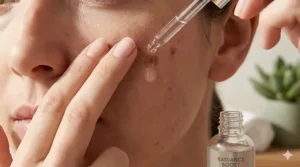
Morning Routine Integration: After cleansing and toning, apply 3-5 drops of alpha arbutin serum to your entire face, not just dark spots. Why the whole face? Because melanin production doesn’t happen in isolation—environmental triggers like UV exposure affect your entire complexion, and spot-treating creates uneven results. Pat gently until absorbed (don’t rub vigorously, which stimulates blood flow and can trigger more melanin production). Wait 60 seconds before applying your moisturizer—this absorption window matters because layering too quickly dilutes the serum’s concentration.
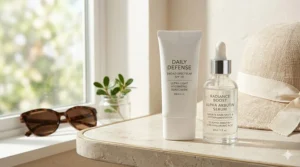
The non-negotiable step: broad-spectrum SPF 50+ sunscreen applied 15 minutes after your moisturizer. Here’s the reality check—alpha arbutin reduces melanin production, but UV exposure triggers it right back. Using brightening serums without religious sun protection is like bailing water out of a boat while someone pours more in. Even on cloudy days, even indoors near windows, even in winter. The melanin reducing skincare safe approach requires photoprotection as the foundation.
Evening Routine Enhancement: Nighttime is when you can layer additional actives with your alpha arbutin serum for amplified results. After cleansing, apply your serum as usual. Wait 5 minutes, then layer a retinoid (if your skin tolerates it) to accelerate cell turnover. The alpha arbutin prevents new pigmentation while retinoid sheds existing pigmented cells faster—this combination shortens the typical 12-week timeline to 6-8 weeks for many users.
First 30 Days Critical Mistakes to Avoid:
- Skipping sunscreen even once undoes a week of progress
- Using too much product—more doesn’t equal faster results, just wasted serum
- Applying on damp skin with water-based serums—water dilutes the active concentration
- Mixing with vitamin C in the same routine (pH conflict reduces efficacy of both)
- Expecting visible results before week 4—melanin suppression is gradual, not instant
- Stopping at week 6 when you see 50% improvement—full correction takes 12 weeks minimum
Climate and Season Adjustments: Hot, humid climates mean increased sweat and oil production that can dilute your serum. In these conditions, use slightly less moisturizer after your alpha arbutin to avoid a heavy feel, and apply sunscreen every 2-3 hours if outdoors. Cold, dry winter requires the opposite—layer richer moisturizers over your serum to prevent dehydration that makes dark spots appear more prominent. UV exposure doesn’t decrease in winter despite what many believe, so maintain sunscreen discipline year-round.
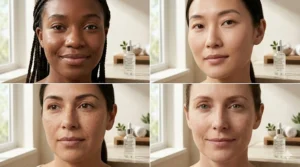
The Dark Spot Decision Framework: Match Your Skin to the Right Serum
Not all dark spots are created equal, and neither are all alpha arbutin serum dark spots treatments. The reason many people cycle through products unsuccessfully is they’re choosing based on price or packaging instead of matching the formulation to their specific pigmentation type. Use this framework to self-identify your situation and find your product match.
If you’re dealing with post-acne hyperpigmentation (red or brown marks after pimples heal): Choose: COSRX 2% Alpha Arbutin Discoloration Care Serum or PHD 2% Alpha Arbutin Depigmentation Reasoning: Post-inflammatory hyperpigmentation requires multi-angle attack—you need alpha arbutin for melanin control, niacinamide to calm inflammation that triggers pigmentation, and tranexamic acid to interrupt melanin transfer. Single-ingredient serums won’t cut it because the root cause involves inflammation, not just melanin overproduction.
If you have sun damage, age spots, or UV-induced tanning: Choose: Minimalist Dark Spots Serum or The Ordinary Alpha Arbutin 2% + HA Reasoning: UV damage creates scattered pigmentation across your face, not isolated spots, so you need affordable formulas you can apply liberally to entire areas. The butylresorcinol in Minimalist specifically targets age spots, while The Ordinary’s simplicity works for mild to moderate sun damage without overwhelming sensitive skin recovering from UV stress.
If you’re battling melasma or hormonal pigmentation: Choose: TOSOWOONG Niacinamide 10% Arbutin 7% Serum Reasoning: Hormonal pigmentation is notoriously stubborn and requires higher-strength formulations. The 7% arbutin concentration combined with 10% niacinamide creates the most aggressive melanin suppression available over-the-counter. Start conservatively (every other night) and increase as tolerance builds.
If you have dry skin where dark spots appear more prominent due to dehydration: Choose: TOSOWOONG Alpha Arbutin 2% Rice Serum or Naturium Alpha Arbutin Serum Reasoning: Dehydrated skin amplifies the appearance of pigmentation because lack of moisture creates a dull, ashy surface that makes dark spots stand out more. Hydration-focused formulas with rice water or niacinamide address both moisture deficit and melanin control simultaneously.
If you’re a skincare beginner overwhelmed by options: Choose: The Ordinary Alpha Arbutin 2% + HA Reasoning: Simple formulation reduces the learning curve, minimal ingredient list lowers sensitivity risk, and the price point allows you to commit to the full 12-week treatment cycle without financial stress. Once you understand how your skin responds to alpha arbutin, you can graduate to more complex formulas if needed.
If you have melanin-rich skin (Fitzpatrick types IV-VI) that’s proven resistant to standard brightening products: Choose: PHD 2% Alpha Arbutin Depigmentation or COSRX 2% Alpha Arbutin Discoloration Care Reasoning: Melanin-rich skin requires formulations designed with higher baseline melanin production in mind. Products developed for lighter skin types often use concentrations and complementary actives that simply don’t penetrate or work effectively on deeper phototypes.
Alpha Arbutin vs. Other Brightening Ingredients: The Honest Comparison
Walk down any skincare aisle and you’ll find dozens of brightening ingredient comparison options shouting about their dark spot-fading abilities. Vitamin C, kojic acid, hydroquinone, tranexamic acid, niacinamide—how does alpha arbutin stack up, and when should you choose it over alternatives? Let’s cut through the marketing spin with practical, real-world comparisons.
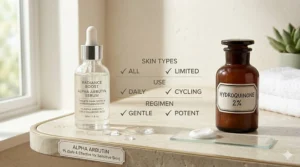
Alpha Arbutin vs. Hydroquinone: Hydroquinone is the prescription gold standard that dermatologists reach for when nothing else works, delivering faster results by actually destroying melanocytes. But here’s the reality most dermatologists warn about: prolonged hydroquinone use (beyond 12 weeks) carries risk of exogenous ochronosis, a paradoxical darkening of the skin that can become permanent. It’s also banned in many countries due to safety concerns. Alpha arbutin delivers 60-70% of hydroquinone’s brightening power with virtually zero risk of permanent side effects. For mild to moderate pigmentation, alpha arbutin is the smarter first-line choice.
Alpha Arbutin vs. Vitamin C: Vitamin C (L-ascorbic acid) brightens through multiple mechanisms: tyrosinase inhibition, antioxidant protection, and collagen synthesis support. Sounds perfect, right? The problem is stability—vitamin C oxidizes rapidly when exposed to light and air, turning orange and losing efficacy. Alpha arbutin is chemically stable and maintains potency throughout the product’s shelf life. The verdict: vitamin C works faster when fresh (4-6 weeks vs. 8-12 for alpha arbutin) but becomes unreliable after opening. For consistent, predictable results over months, alpha arbutin wins.
Alpha Arbutin vs. Kojic Acid: Kojic acid inhibits tyrosinase similarly to alpha arbutin but with significantly higher irritation rates. Sensitive skin types often develop contact dermatitis from kojic acid, forcing them to discontinue treatment. Research shows butylresorcinol (a kojic acid derivative) is 23 times more potent with less irritation, which is why smart formulations like Minimalist’s pair alpha arbutin with butylresorcinol rather than straight kojic acid. Choose alpha arbutin if you have any history of skin sensitivity.
Alpha Arbutin vs. Niacinamide: This isn’t an either-or situation—they’re complementary teammates that work through different pathways. Niacinamide reduces melanin transfer from melanocytes to skin cells, while alpha arbutin reduces melanin production at the source. Together, they create a comprehensive brightening effect stronger than either alone. Almost every top-performing alpha arbutin serum dark spots treatment includes niacinamide for exactly this reason.
Alpha Arbutin vs. Tranexamic Acid: Tranexamic acid works through an entirely different mechanism—it reduces plasmin activity, which indirectly affects melanin production and inflammation. For melasma specifically, dermatological research shows tranexamic acid can outperform alpha arbutin. But for general dark spots, age spots, and post-acne marks, alpha arbutin shows more consistent results. The power move: use both together in formulas like COSRX’s that combine them.
The Real-World Recommendation: For mild to moderate dark spots with no prescription access, start with alpha arbutin. It offers the best balance of efficacy, safety, and tolerability. If you see 50% improvement after 12 weeks but want more, then layer in vitamin C mornings and retinoid evenings (never together). If that still doesn’t get you to your goal, consult a dermatologist about prescription options rather than endlessly trying OTC combinations.
Common Mistakes When Using Alpha Arbutin (And How to Fix Them)
I’ve reviewed hundreds of customer complaints about alpha arbutin serum dark spots treatments “not working,” and 90% of the time, the product isn’t the problem—it’s how it’s being used. These mistakes are so common that fixing even one or two can transform your results from disappointing to impressive.
Mistake #1: Expecting Results Before Week 6 The Reality: Melanin that’s already formed in your skin cells doesn’t magically disappear. Alpha arbutin prevents new melanin production, then you wait for your skin’s natural 28-day turnover cycle to shed the pigmented cells. For moderate pigmentation, you need at least 2-3 turnover cycles (8-12 weeks) to see significant fading. Stopping at week 4 because you “don’t see results yet” means you quit right before improvement would have become visible.
The Fix: Commit to 12 weeks minimum before evaluating efficacy. Take photos weekly in the same lighting conditions to track gradual progress your eye might miss day-to-day.
Mistake #2: Skipping Sunscreen on “Low UV Days” The Reality: UV radiation triggers melanin production even on cloudy, winter, or indoor days. Window glass blocks UVB but lets UVA through, which still stimulates melanogenesis. Using alpha arbutin without daily SPF 50+ is like filling a leaky bucket—you’re fighting against constant melanin stimulation.
The Fix: Apply broad-spectrum SPF 50+ as the final morning step, every single day, no exceptions. Reapply every 2 hours if near windows or outdoors. This single change often accounts for 50% improvement in final results.
Mistake #3: Layering Too Many Actives Simultaneously The Reality: “More is more” thinking leads people to stack alpha arbutin + vitamin C + retinoid + AHA + BHA all in one routine, creating irritation that triggers post-inflammatory hyperpigmentation—the exact problem you’re trying to solve. Irritated, inflamed skin produces more melanin as a protective response.
The Fix: Use alpha arbutin morning and evening, sunscreen in the morning, and retinoid at night. That’s it for the first 4 weeks. Once your skin acclimates (no redness, flaking, or sensitivity), then consider adding vitamin C mornings or gentle AHA once weekly.
Mistake #4: Applying to Damp Skin The Reality: Water dilutes water-based serums. Applying alpha arbutin to wet skin from cleansing or toner reduces the concentration reaching your skin cells, weakening efficacy.
The Fix: Pat skin until just slightly damp but not dripping wet. For water-based serums, wait 30 seconds after cleansing before application. For oil-based products, slightly damp skin actually helps penetration.
Mistake #5: Using Expired or Improperly Stored Products The Reality: While alpha arbutin is more stable than vitamin C, it still degrades when exposed to heat, light, and air. That serum you’ve had for 18 months in your sunny bathroom has significantly reduced potency even if it looks fine.
The Fix: Store alpha arbutin serums in a cool, dark place (bathroom cabinets work if not steamy from showers). Replace after 12 months from opening, or 6 months if you see color changes. Buy from retailers with high turnover to ensure product freshness.
Mistake #6: Spot-Treating Instead of Full-Face Application The Reality: Melanocytes don’t know where your visible dark spots end and normal skin begins. Spot-treating creates a patchwork effect where treated areas lighten but surrounding skin continues producing melanin, making the contrast more noticeable.
The Fix: Apply alpha arbutin to your entire face, neck, and chest (if you have pigmentation there). Yes, it uses more product, but even skin tone requires even treatment.
Mistake #7: Mixing Alpha Arbutin with Vitamin C in the Same Routine The Reality: Vitamin C (L-ascorbic acid) requires a low pH around 3.5 to penetrate effectively. Alpha arbutin works best at neutral pH around 5-6. Combining them in the same routine creates pH conflict where neither works optimally.
The Fix: Use vitamin C in the morning, alpha arbutin at night. Or alternate days if you insist on using both. They’re excellent ingredients but poor roommates.
Long-Term Results and Maintenance: What Happens After Week 12
Most articles stop at “use this for 12 weeks and see results,” leaving you wondering what happens next. Do you keep using alpha arbutin serum dark spots treatments forever? Can you stop once pigmentation fades? What about maintenance to prevent new spots? These are critical questions for anyone investing time and money into a brightening routine.
After 12 Weeks of Consistent Use: If you’ve followed the protocol correctly (daily application, religious sunscreen, minimal irritation), you should see 60-80% reduction in dark spot visibility. The remaining 20-40% represents deep dermal pigmentation that takes significantly longer to address or may require professional treatments like chemical peels or laser therapy. At this point, you have three realistic options.
Option 1: Maintenance Dosing Reduce alpha arbutin application to 3-4 times weekly instead of daily, maintaining your sunscreen discipline and supporting actives like niacinamide. This keeps melanin production suppressed enough to maintain your results without the daily commitment. Most users find this sustainable long-term and sufficient to prevent regression.
Option 2: Continued Daily Use with Additions If you’re satisfied with 60-80% improvement but want to push toward complete fading, continue daily alpha arbutin but add professional treatments quarterly. Gentle chemical peels (mandelic acid or lactic acid at dermatologist concentrations) can accelerate the removal of remaining deep pigmentation. The alpha arbutin prevents new melanin formation while the peels remove existing pigment.
Option 3: Strategic Cycling Use alpha arbutin intensively for 12 weeks, take a 4-week break with just maintenance actives (niacinamide, sunscreen), then resume another 12-week cycle. Some dermatologists recommend this approach for hormonal pigmentation that’s prone to recurrence, as continuous use may lead to diminishing returns as skin acclimates.
Preventing New Dark Spots: Here’s what the research shows about long-term prevention. Sunscreen prevents 90% of new age spots and sun-induced pigmentation, making it more important than any serum. Alpha arbutin used 3-4 times weekly maintains tyrosinase suppression at levels sufficient to prevent new melanin overproduction from minor triggers like mild acne or small cuts. Monthly professional exfoliation (home chemical exfoliants or dermatologist treatments) accelerates removal of pigmented cells before they become visible dark spots.
The 6-Month Reality Check: Take progress photos at 12 weeks and again at 24 weeks. If you see continued improvement from week 12 to week 24, your routine is working and worth maintaining. If results plateau or regress, that signals either inadequate sun protection (most common culprit) or deeper pigmentation requiring professional intervention. Be honest with yourself—continuing the same routine for months while results stagnate is wasted effort and money.
Realistic Expectations for Different Pigmentation Types:
- Post-acne marks: 70-90% fading within 12-16 weeks with proper protocol
- Sun-induced age spots: 60-80% fading within 16-20 weeks, complete fading may require professional treatment
- Melasma: 40-60% improvement within 16-24 weeks, often requires combination with prescription treatments
- Fresh dark spots (under 6 months old): 80-95% fading within 8-12 weeks
- Longstanding pigmentation (over 2 years old): 40-60% fading within 20+ weeks, may never completely fade without professional intervention
Safe Lightening Agents: Addressing Safety Concerns Head-On
The phrase “skin lightening” carries controversial baggage, and rightfully so. History is full of dangerous products containing mercury, lead, and other toxic ingredients marketed to people of color with promises of lighter skin. Modern safe lightening agents like alpha arbutin work fundamentally differently—they correct hyperpigmentation and uneven tone, not change your natural skin color. Let’s address the legitimate safety concerns that make people hesitant about brightening products.
Alpha Arbutin vs. Dangerous Historical Alternatives: Mercury-containing skin lighteners (still illegally sold in some markets) cause kidney damage, neurological problems, and skin thinning. Alpha arbutin, derived from bearberry plants, carries none of these risks. It’s approved as a cosmetic ingredient in concentrations up to 7% in the US, EU, and most major markets. According to the American Academy of Dermatology, alpha arbutin has an excellent safety profile with minimal reported adverse effects when used as directed.
Pregnancy and Breastfeeding Considerations: Most dermatologists recommend avoiding tyrosinase inhibitors during pregnancy due to limited safety data, not because alpha arbutin has shown harm. The conservative approach: discontinue alpha arbutin during pregnancy and resume after breastfeeding. Melasma that develops during pregnancy (chloasma or “mask of pregnancy”) often fades naturally postpartum without treatment, so aggressive brightening isn’t necessary.
Interaction with Common Medications: Alpha arbutin doesn’t interact with hormonal birth control, blood pressure medications, or antibiotics. However, photosensitizing medications (certain antibiotics, retinoids, diuretics) increase sun sensitivity, making your religious sunscreen use even more critical while using brightening agents. Always inform your dermatologist about all skincare actives when prescribed medications.
The Hydroquinone Controversy: Alpha arbutin is sometimes called “plant-based hydroquinone” because it’s a glycosylated hydroquinone derivative. This causes confusion and fear among people avoiding hydroquinone. Here’s the chemistry reality: alpha arbutin is structurally different from hydroquinone and doesn’t carry the same risks. While hydroquinone is restricted or banned in many countries due to concerns about exogenous ochronosis and cancer risk at high concentrations, alpha arbutin remains unrestricted and safe for long-term use.
Cultural Sensitivity and Ethical Sourcing: Choose brands that explicitly market for “hyperpigmentation correction” and “even skin tone” rather than “skin whitening” or “lightening.” This linguistic difference reflects a philosophy of correcting irregular pigmentation versus promoting lighter skin as inherently better. Brands like Minimalist, COSRX, and The Ordinary frame their products around skin health and evening discoloration, not changing natural complexion.
Patch Testing Protocol: Even gentle ingredients can trigger reactions in sensitive individuals. Before first use, apply a small amount of alpha arbutin serum to your inner forearm or behind your ear. Wait 24-48 hours and check for redness, itching, or swelling. This simple test prevents full-face reactions that could ironically cause the post-inflammatory hyperpigmentation you’re trying to avoid.
When to Stop and See a Dermatologist: Discontinue alpha arbutin immediately if you experience persistent redness, burning, peeling, or darkening of treated areas. While rare, some individuals have sensitivity to arbutin that manifests as irritation. Paradoxical darkening can occur if the product causes inflammation, triggering melanin production. A board-certified dermatologist can determine whether you’re reacting to the alpha arbutin itself or a different ingredient in the formulation.
Frequently Asked Questions
❓ How long does alpha arbutin serum dark spots treatment take to show visible results?
❓ Can I use alpha arbutin serum with retinol or vitamin C in my routine?
❓ Is 2% or 7% alpha arbutin concentration more effective for stubborn dark spots?
❓ Does alpha arbutin work on all skin tones and types of dark spots equally?
❓ What happens if I stop using alpha arbutin after my dark spots fade?
Conclusion: Your Roadmap to Even, Radiant Skin
If you’ve made it this far, you’re clearly serious about addressing your dark spots intelligently rather than throwing money at random products hoping something sticks. The alpha arbutin serum dark spots treatments we’ve covered represent the best combinations of clinical efficacy, safety profiles, and real-world results available without a prescription in 2026.
Here’s your action plan: Start with one serum matched to your specific pigmentation type using the Decision Framework above. Commit to the full 12-week protocol with zero exceptions on sunscreen. Document your progress with weekly photos in consistent lighting so you can objectively evaluate results instead of relying on subjective perception. If you hit the 12-week mark without at least 50% visible improvement, that’s your signal to consult a dermatologist about whether your pigmentation requires professional intervention.
Remember that skin brightening is a marathon, not a sprint. The products that promise dramatic results in 2 weeks are either lying or using ingredients that will damage your skin long-term. Alpha arbutin’s gentle, sustained approach to melanin regulation delivers the kind of even, radiant skin tone that looks natural and stays stable because you’ve addressed the root cause rather than just masking symptoms. Your future self with clear, even-toned skin will thank you for the patience and consistency you invest now.
Recommended for You
- 7 Best Tranexamic Acid Cream for Melasma 2026 – Clear Skin Guide
- 7 Best Stubborn Dark Spot Fading Creams That Actually Work (2026)
- 7 Best Age-Defying Daily Moisturizers That Actually Work (2026 Guide)
Disclaimer: This article contains affiliate links. As an Amazon Associate, I earn from qualifying purchases. If you purchase products through these links, we may earn a small commission at no additional cost to you.
✨ Found this helpful? Share it with your friends! 💬🤗
