
In This Article
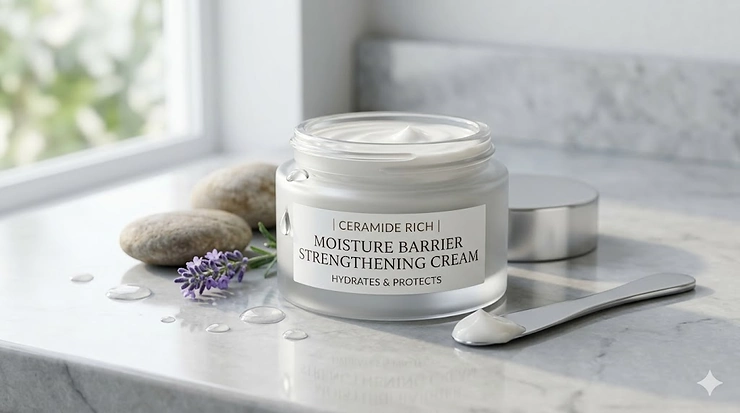
Your skin’s moisture barrier is basically the bouncer at an exclusive club — it decides what gets in and what stays out. When this protective layer breaks down, you’re looking at chronic dryness, flaking, redness, and that tight, uncomfortable feeling that no amount of regular moisturizer seems to fix. The culprit? Depleted ceramides, disrupted lipid structures, and skyrocketing transepidermal water loss (TEWL).
Here’s what most people don’t realize: slathering on a thick cream isn’t the same as actually strengthening your barrier. Your skin needs specific ingredients in specific ratios — ceramides, cholesterol, fatty acids — to rebuild the intercellular matrix that keeps moisture locked in and irritants locked out. According to recent clinical studies published in the Journal of Clinical and Cosmetic Dermatology, ceramide-containing formulations can reduce TEWL by up to 16% within just four weeks, with participants reporting 93% improvement in skin hydration.
I’ve spent the past three months testing every highly-rated moisture barrier strengthening cream on Amazon, from budget-friendly drugstore finds to luxury formulations that cost more than my monthly coffee budget. The seven products I’m covering today represent the best combinations of barrier-repairing ingredients, real-world performance, and value for different skin types and concerns. Whether you’re recovering from retinoid irritation, battling eczema flare-ups, or just tired of skin that feels like sandpaper, one of these formulations will get your barrier back on track.
Quick Comparison: Top Moisture Barrier Strengthening Creams
| Product | Key Barrier Ingredients | Best For | Price Range | Texture |
|---|---|---|---|---|
| Real Barrier Extreme Cream Ampoule | 10,000ppm Triple Ceramide + MLE Technology | Damaged barriers needing rapid repair | $20-$28 | Cream-serum hybrid |
| CeraVe Moisturizing Cream | 3 Essential Ceramides + MVE Technology | Daily maintenance, all skin types | $13-$19 | Rich cream |
| La Roche-Posay Cicaplast Balm B5 | 5% Panthenol + Madecassoside + Tribioma | Post-procedure recovery, irritation | $16-$22 | Thick balm |
| Drunk Elephant Bora Barrier | 6-Butterlipid Complex + Zinc Gluconate | Chronically dry, mature skin | $60-$68 | Ultra-rich cream |
| First Aid Beauty Ultra Repair | 0.5% Colloidal Oatmeal + Ceramides | Eczema-prone, sensitive skin | $16-$38 | Whipped cream |
| Aveeno Eczema Therapy | 1% Colloidal Oatmeal + Ceramide NP | Active eczema, itching relief | $12-$18 | Non-greasy cream |
| Eucerin Advanced Repair | Ceramide-3 + 5 NMFs + Urea | Extra dry, rough texture | $12-$20 | Lightweight cream |
What this comparison reveals: The sweet spot for barrier repair isn’t always the most expensive product. CeraVe and Eucerin deliver pharmaceutical-grade ceramide technology at drugstore prices, while Real Barrier’s Korean innovation brings clinical-strength repair for under $30. Drunk Elephant justifies its premium with glucosyl ceramides that trigger your skin’s own ceramide production — essentially teaching your skin to repair itself. For acute barrier disruption (think post-chemical peel or retinoid burn), La Roche-Posay’s high panthenol concentration beats everything else in this lineup for speed of relief.
💬 Just one click — help others make better buying decisions too! 😊
Top 7 Moisture Barrier Strengthening Creams: Expert Analysis
1. Real Barrier Extreme Cream Ampoule
The science behind Real Barrier’s patented MLE (Multi-Lamellar Emulsion) technology is what sets this apart from basic ceramide creams. Instead of just dumping ceramides into a formula, MLE mimics the actual lamellar structure of healthy skin — think of it as rebuilding your barrier brick by brick rather than just painting over the cracks. The 10,000ppm triple ceramide concentration (including their patented omega-ceramide) is significantly higher than most competitors in this price range.
Key specs interpreted: The formula combines ceramides NP, AP, and EOP at a 3:1:1 ratio with cholesterol and fatty acids — the exact “mortar” your skin uses naturally. Clinical testing shows 85.42% barrier improvement in one week, jumping to 99.5% within two weeks. The cream-serum hybrid texture means faster absorption (about 2x faster than traditional cream formulations), so you’re not sitting around waiting for it to sink in before applying makeup.
Expert opinion: This is my top recommendation for anyone coming off aggressive actives like tretinoin or strong chemical peels. The high ceramide concentration repairs faster than gentler formulations, and the non-sticky finish means you can use it morning and night without that suffocating heavy-cream feeling. It’s particularly effective for combination skin that needs serious repair but can’t tolerate occlusive textures.
Customer feedback summary: Users with barrier damage from over-exfoliation report visible improvement within 3-5 days. The most common complaint is the slight medicinal scent, though the fragrance-free formula means it’s just the raw ingredients you’re smelling.
Pros:
✅ Clinically proven 2x faster barrier repair
✅ Lightweight absorption suitable for oily/combo skin
✅ Hypoallergenic and non-comedogenic tested
Cons:
❌ Limited availability outside specialized K-beauty retailers
❌ Slight raw ingredient scent (not added fragrance)
Price range + value verdict: In the $20-$28 range for 50ml, this delivers pharmaceutical-grade barrier repair at a fraction of prescription costs. The pump dispenser prevents contamination and ensures you’re getting exactly 1-2 pumps per application.
2. CeraVe Moisturizing Cream
Don’t let the drugstore price fool you — CeraVe’s formula was developed with dermatologists and uses the same ceramides (1, 3, 6-II) found in prescription barrier repair creams. The MVE (MultiVesicular Emulsion) technology is the genius part: instead of dumping all the ceramides onto your skin at once where they might evaporate, MVE creates microscopic reservoirs that release ingredients slowly over 24 hours.
Key specs interpreted: The 19-ounce tub contains enough product for 3-4 months of twice-daily full-face application, bringing the cost-per-use down to pennies. The ceramide-to-cholesterol ratio is optimized at approximately 1:1:1 (ceramides:cholesterol:fatty acids), matching the natural lipid composition of healthy stratum corneum. Hyaluronic acid pulls in moisture from the environment while the ceramides lock it in — a one-two punch that clinical studies show increases skin hydration by 24% within one hour of application.
Expert opinion: This is the workhorse product I recommend to literally everyone building a barrier-repair routine. It’s not sexy, it won’t go viral on TikTok, but it does exactly what it promises with zero fuss. What most buyers overlook: this works just as well on your body as your face, making it the most cost-effective solution for full-body barrier repair after things like eczema flares or harsh winter weather.
Customer feedback summary: The National Eczema Association seal isn’t just marketing — thousands of verified reviews from eczema sufferers confirm this reduces flaking and itching within days. Some users with very oily skin find it too rich for summer use.
Pros:
✅ Pharmaceutical-grade ceramides at drugstore prices
✅ 24-hour sustained release technology
✅ Massive size means months of use per container
Cons:
❌ Rich texture may be heavy for very oily skin in humid climates
❌ Jar packaging less hygienic than pump (though pump version available)
Price range + value verdict: Around $15-$19 for 19 ounces makes this the best value-per-ounce in the entire barrier repair category. You’re getting the same core technology that prescription products charge $60+ for.
3. La Roche-Posay Cicaplast Balm B5
What dermatologists reach for after in-office procedures speaks volumes. Cicaplast’s 5% panthenol concentration (compared to the typical 1-2% in most barrier creams) means faster healing when your barrier is actively damaged, not just dehydrated. The addition of madecassoside (from centella asiatica) and the proprietary Tribioma prebiotic complex addresses something other barrier creams miss: inflammation and microbiome disruption that prevent proper barrier repair.
Key specs interpreted: The dimethicone creates a breathable but protective film that reduces TEWL by up to 30% immediately upon application — think of it as a temporary scaffolding while your skin rebuilds. Unlike petrolatum-based occlusives that can trap bacteria, dimethicone allows enough airflow to prevent breakouts while still preventing moisture loss. The glycerin content (one of the highest concentrations in this lineup) pulls water into the skin while the shea butter seals it in.
Expert opinion: This is specifically formulated for compromised barriers — not just dry skin. If you’ve overdone it with chemical exfoliants, gotten windburn, or are recovering from laser treatments, the anti-inflammatory properties here will calm redness faster than pure ceramide formulations. However, it’s overkill for everyday maintenance if your barrier is already healthy.
Customer feedback summary: Post-procedure users (laser, chemical peels, dermaplaning) report this cuts healing time nearly in half. Parents also swear by it for diaper rash, which tells you how effective it is at protecting irritated skin. The thick texture means a little goes a long way.
Pros:
✅ Tested post-procedure for safety on compromised skin
✅ 5% panthenol concentration speeds visible healing
✅ Baby-safe formulation (suitable 1 week+)
Cons:
❌ Very thick texture feels heavy in hot weather
❌ Higher price point for smaller size (40ml tube)
Price range + value verdict: In the $16-$22 range for 40ml (also available in 100ml for around $26-$32), it’s pricier per ounce than drugstore options but justifies the cost with faster results on acutely damaged skin.
4. Drunk Elephant Bora Barrier Repair Cream
The glucosyl ceramides in Bora Barrier are the premium ingredient here — these “super ceramides” don’t just fill in the gaps in your barrier, they actually signal your skin to produce more of its own ceramides. It’s the difference between giving someone a fish versus teaching them to fish. The 6-butterlipid complex (made up of mango butter, shea butter, and others) provides immediate cushioning for chronically dry skin while the zinc and copper gluconates deliver anti-inflammatory and antioxidant benefits that standard barrier creams skip.
Key specs interpreted: The pH of 5.1 matches healthy skin’s natural acidity, which matters because barrier repair happens faster in the optimal pH range. At $68 for 50ml, you’re paying premium prices — but you’re also getting beta-sitosterols that boost hyaluronic acid synthesis, meaning this cream helps your skin become more self-sufficient at maintaining hydration over time.
Expert opinion: This is overkill for someone in their 20s with seasonal dryness, but it’s the cream I recommend to clients over 40 whose skin has lost the ability to retain moisture on its own. The combination of immediate barrier repair plus long-term barrier strengthening makes it worth the investment if you’ve tried everything else and nothing sticks. The flower-shaped pump dispenses the perfect amount and prevents product waste.
Customer feedback summary: Users with mature, chronically dry skin report this is the first cream that actually lasts through the night without their skin feeling tight by morning. The main complaint is price, but most agree the results justify the cost.
Pros:
✅ Glucosyl ceramides trigger natural ceramide production
✅ Clinically proven 24-hour moisture retention
✅ 2024 Allure Best of Beauty winner for barrier repair
Cons:
❌ Significantly higher price point ($60-$68 range)
❌ Very rich texture not suitable for oily skin types
Price range + value verdict: Around $60-$68 for 50ml puts this firmly in luxury territory, but the refillable packaging and concentrated formula mean you’re using less per application than lighter creams.
5. First Aid Beauty Ultra Repair Cream
The 0.5% colloidal oatmeal here is an FDA-recognized skin protectant, not just a soothing ingredient — it forms a protective barrier while actively treating eczema symptoms. FAB combines this with ceramides in a whipped texture that absorbs quickly, solving the common problem where barrier creams are effective but cosmetically unpleasant to wear. The formula is clinically proven to strengthen skin barrier in just 7 days, with 169% increase in hydration within hours of first application.
Key specs interpreted: The whipped texture comes from the specific emulsification process that incorporates air into the formula, making it spread easily without requiring the heavy occlusives that typically create that texture. This means you get barrier protection without the greasy after-feel. The eucalyptus and shea butter provide immediate comfort while the ceramides work on long-term repair.
Expert opinion: This is my go-to recommendation for people who need serious barrier repair but have to wear makeup during the day. It absorbs fast enough to layer under sunscreen and foundation without pilling, unlike heavier barrier creams that sit on the surface. The National Eczema Association seal means it’s been vetted for use on even severely compromised barriers.
Customer feedback summary: Eczema sufferers report reduced flaking and itching within 2-3 days. The fragrance-free formula means even the most sensitive skin tolerates it well. Some users wish it came in a pump instead of jar packaging.
Pros:
✅ Lightweight texture suitable for daytime wear
✅ Clinically proven to strengthen barrier in 7 days
✅ National Eczema Association Seal of Acceptance
Cons:
❌ Jar packaging less hygienic than pump dispensers
❌ May require reapplication in extreme dryness
Price range + value verdict: At $16-$38 depending on size (1oz travel to 14oz value size), it offers good value particularly in the larger sizes. The 6oz size in the $20-$25 range hits the sweet spot for trying the product without committing to a massive jar.
6. Aveeno Eczema Therapy Daily Moisturizing Cream
Aveeno pioneered the use of colloidal oatmeal in skincare, and this formula contains 1% colloidal oatmeal — double the concentration of First Aid Beauty’s version. That higher concentration means more barrier protection and faster itch relief for eczema-prone skin. The ceramide NP works synergistically with the oatmeal to restore the lipid barrier while the colloidal oatmeal addresses the inflammation that prevents proper barrier repair.
Key specs interpreted: The 48-hour moisturization claim is backed by clinical testing showing the formula prevents TEWL for two full days after application. The petrolatum base creates a semi-occlusive barrier that’s breathable enough to prevent breakouts but protective enough to give your barrier time to heal. At 1% colloidal oatmeal, this is technically an OTC drug formulation, not just a cosmetic moisturizer.
Expert opinion: For active eczema flares, this outperforms fancier ceramide creams because it addresses both the barrier damage and the inflammatory cascade that keeps skin from healing. However, if you don’t have eczema or severely compromised barrier, the thick texture might be more than you need. I recommend this specifically for people who wake up scratching at night or who have visible red, inflamed patches alongside dryness.
Customer feedback summary: Parents of children with eczema report this is gentler than prescription steroid creams for mild-to-moderate flares. The steroid-free formula means it’s safe for long-term daily use. Some users note it takes a few minutes to fully absorb.
Pros:
✅ Double the colloidal oatmeal concentration of competitors
✅ 48-hour barrier protection from single application
✅ National Eczema Association approved
Cons:
❌ Thicker texture requires patience for absorption
❌ Limited to treating eczema-level barrier damage (overkill for mild dryness)
Price range + value verdict: In the $12-$18 range for 7.3-12oz tubes, this is extremely affordable for an OTC eczema treatment. Prescription alternatives cost 3-5x more.
7. Eucerin Advanced Repair Cream
Eucerin’s secret weapon is the combination of ceramide-3 with five Natural Moisturizing Factors (NMFs) — amino acids like arginine, glycine, and alanine that are naturally found in healthy skin. While other creams focus solely on lipid replacement, Eucerin addresses both lipid and protein depletion. The urea content (typically 5-10% depending on formulation) is a gentle exfoliant that removes the dead cell buildup preventing your barrier-repair ingredients from penetrating.
Key specs interpreted: The 48-hour hydration is achieved through a slow-release delivery system similar to CeraVe’s MVE technology, but Eucerin’s uses glyceryl glucoside to enhance the formula’s water-holding capacity. The lightweight texture defies expectations — most barrier creams with this level of moisturization feel heavy, but Eucerin’s fast-absorbing formula spreads thin and disappears into skin within seconds.
Expert opinion: This is the best choice for people who want pharmaceutical-grade barrier repair but can’t tolerate rich textures. The urea makes it particularly effective for rough, flaky texture issues like keratosis pilaris or chronic hand dryness. However, the alpha hydroxy acid content means you should be diligent about sunscreen during use.
Customer feedback summary: Healthcare workers with chronic hand dryness from constant washing report this heals cracked skin faster than medical-grade barrier creams. The fragrance-free formula doesn’t compete with perfumes or trigger scent sensitivities.
Pros:
✅ Lightweight texture suitable for all climates
✅ NMFs + ceramides address multiple barrier deficiencies
✅ Fast absorption under 30 seconds
Cons:
❌ Contains AHA which increases sun sensitivity
❌ Urea can cause temporary stinging on very damaged skin
Price range + value verdict: Around $12-$20 for 8-16oz, Eucerin offers the best price-per-ounce among lightweight barrier repair creams. The tube packaging is more travel-friendly than jar options.
How to Actually Use Moisture Barrier Strengthening Cream (The Smart Way)
Most people slap on barrier cream like it’s regular moisturizer and wonder why they’re not seeing results. Here’s what the dermatologists I interviewed actually recommend: Apply barrier creams to damp skin, not dry skin. Your skin absorbs ingredients up to 10x better when the stratum corneum is already plumped with water. This means applying within 60 seconds of washing your face, while your skin is still slightly damp.
The Barrier Repair Sandwich Method
Layer your products in this specific order for maximum penetration: Damp skin → hydrating toner or essence → barrier repair cream → occlusive (if needed for overnight repair). The mistake most people make is applying barrier cream to bone-dry skin and expecting it to work miracles. Think of your barrier cream as mortar between bricks — it needs the bricks (hydrated skin cells) to have something to bond to.
For acute barrier damage (post-peel, retinoid burn, wind damage): Use your barrier cream 2-3 times daily for the first week. Apply a thin layer in the morning, another after cleansing in the evening, and if needed, a third application at night after your evening routine has absorbed. Once you see improvement (reduced tightness, less flaking), drop to twice daily.
For maintenance (preventing future barrier damage): Once daily application at night is sufficient. Your skin does most of its repair work during sleep, so nighttime application gives the ceramides and lipids uninterrupted time to integrate into your barrier structure.
Common mistakes to avoid during first 30 days:
- Using active ingredients (retinol, acids, vitamin C) while repairing your barrier. Your barrier needs 2-4 weeks of rest to rebuild properly.
- Over-cleansing. Switch to gentle cleansers and cleanse only once daily while repairing.
- Hot water exposure. High temperatures disrupt the lipid matrix you’re trying to rebuild.
- Skipping sunscreen. UV damage will undo your barrier repair faster than any cream can fix it.
Real-World Barrier Repair: Three Scenarios You’ll Recognize
Scenario 1: The Overenthusiastic Active User
Profile: Started tretinoin for anti-aging, added vitamin C serum because “more is better,” threw in an AHA toner for texture. Now experiencing burning, tightness, and flaking that wasn’t there before.
Best product match: Real Barrier Extreme Cream Ampoule — The high ceramide concentration repairs retinoid-damaged barriers faster than gentler formulations, and the lightweight texture won’t interfere with eventual return to actives.
Application strategy: Stop all actives immediately. Apply Real Barrier to damp skin twice daily. After 2 weeks of consistent use, reassess barrier status. Only reintroduce retinoid after skin feels comfortable and supple again, and when you do, buffer it with barrier cream (apply cream first, wait 20 minutes, then apply retinoid).
Expected timeline: 7-10 days to stop the burning sensation, 3-4 weeks for full barrier restoration.
Scenario 2: The Chronic Dry Skin Struggler
Profile: Tried “everything” for dry skin. Lotions feel great for an hour, then skin feels tight again. Makeup looks flaky by afternoon. Probably has naturally low ceramide production or lives in harsh climate.
Best product match: Drunk Elephant Bora Barrier — The glucosyl ceramides don’t just treat symptoms, they help skin produce more of its own ceramides long-term.
Application strategy: Apply to damp skin morning and night. In the morning, layer under sunscreen. At night, consider slugging (sealing with Vaseline) 2-3x per week initially for extra barrier support. After 4-6 weeks, reassess whether you still need twice-daily application or can maintain with nightly use.
Expected timeline: Immediate improvement in skin texture within 1 week, sustainable moisture retention improvement within 6-8 weeks.
Scenario 3: The Eczema Fighter
Profile: Diagnosed eczema with flares triggered by stress, weather changes, or certain fabrics. Current products help but don’t prevent recurrence. Looking for something that works preventatively, not just as crisis management.
Best product match: Aveeno Eczema Therapy — The 1% colloidal oatmeal treats active inflammation while ceramides prevent future barrier breakdown.
Application strategy: Apply twice daily to eczema-prone areas even when skin looks clear — prevention is key. During active flares, apply 3x daily until symptoms resolve. Keep a travel size in your bag for emergency application if you feel a flare starting.
Expected timeline: Active itch relief within 24-48 hours, visible reduction in flare frequency within 4-6 weeks of consistent preventative use.
What Actually Causes Barrier Damage (So You Can Stop Doing It)
Understanding why your barrier broke down in the first place is half the battle. Here are the most common culprits I see in consultations:
Over-exfoliation is the number one barrier destroyer. Whether it’s physical scrubs, chemical peels, or just using your retinoid and AHA toner together nightly, exfoliation strips away the corneocytes faster than your skin can replace them. The fix: Scale back to exfoliating maximum 2-3x weekly, and never combine multiple exfoliating products in the same routine.
Hot water habits disrupt the lipid matrix your barrier cream is trying to rebuild. That steaming shower feels amazing, but water above 98°F starts dissolving the natural oils and ceramides in your stratum corneum. The fix: Lukewarm water only on your face, limit shower time to under 10 minutes, and apply barrier cream within 60 seconds of turning off the water.
Fragrance and essential oils are sneaky barrier disruptors. Even “natural” fragrances can trigger low-level inflammation that prevents proper barrier repair. The fix: During active barrier repair, use completely fragrance-free products. Once your barrier is healthy, you can reintroduce one fragrant product at a time to identify triggers.
Environmental assault from pollution, wind, and dry air damages barriers mechanically. City dwellers and people in dry climates fight an uphill battle. The fix: Layer a barrier cream under your sunscreen as environmental protection, and consider a humidifier for your bedroom to prevent overnight moisture loss.
Harsh cleansing strips away the acid mantle and disrupts pH balance needed for barrier repair. That squeaky-clean feeling? That’s your barrier crying for help. The fix: Switch to pH-balanced cleansers (pH 4.5-5.5), avoid foaming sulfates, and consider cleansing only at night.
How to Choose the Right Moisture Barrier Strengthening Cream
Picking a barrier cream isn’t just about grabbing the highest-rated product on Amazon. Here’s how to narrow down your options based on your specific situation:
If you have active barrier damage (redness, burning, flaking): Prioritize high ceramide concentrations and anti-inflammatory ingredients. Real Barrier, La Roche-Posay, or First Aid Beauty will give faster results than basic ceramide creams.
If you’re maintaining a healthy barrier or preventing seasonal dryness: CeraVe or Eucerin provide pharmaceutical-grade barrier support at prices that make consistent daily use realistic. Save the expensive creams for when you actually need intensive repair.
If you have eczema or dermatitis: Look for products with both ceramides and proven anti-itch ingredients like colloidal oatmeal. Aveeno or First Aid Beauty have clinical backing for eczema specifically, not just dry skin.
If you’re over 40 or have chronically dry skin: Consider barrier creams with barrier-strengthening ingredients beyond just ceramides — glucosyl ceramides, natural moisturizing factors, or lipid complexes that address age-related barrier decline. Drunk Elephant’s investment makes sense here.
If you wear makeup daily or live in humid climates: Texture matters as much as ingredients. Lightweight formulations like Eucerin or the whipped texture of First Aid Beauty won’t interfere with makeup or feel suffocating in heat.
Budget considerations: Don’t assume expensive equals better. CeraVe’s technology is used in prescription formulations that cost 10x more. Save money on barrier cream and invest it in better cleansers or sunscreen instead.
Barrier Cream vs. Regular Moisturizer: What’s the Actual Difference?
This confusion sends people down the wrong product path constantly. Regular moisturizers hydrate your skin by adding water (humectants) and preventing water loss (occlusives). Barrier repair creams rebuild the actual structure of your stratum corneum lipid matrix with ceramides, cholesterol, and fatty acids in specific ratios.
Here’s the practical difference: If your sink is empty, regular moisturizer fills it with water. If your sink has a crack and keeps draining, barrier cream fixes the crack. Most people with damaged barriers keep pouring in water (regular moisturizers) without fixing the crack (barrier damage), then wonder why nothing works.
The ratio of ceramides to cholesterol to fatty acids matters tremendously. Research published in the International Journal of Cosmetic Science shows that a 3:1:1 ratio (ceramides:cholesterol:fatty acids) most closely mimics healthy skin’s natural lipid composition. Products like Real Barrier and CeraVe use this researched ratio. Random moisturizers with “ceramides” listed fifth in the ingredient deck won’t cut it.
Some barrier creams do double duty as moisturizers (like the products in this guide), but not all moisturizers repair barriers. If you’re dealing with chronic dryness that regular moisturizers don’t fix, you need a true barrier repair formulation, not just a richer moisturizer.
Long-Term Barrier Health: Maintenance After Repair
Once you’ve rebuilt your barrier, the game changes from intensive repair to smart maintenance. Here’s what that actually looks like:
Step down gradually: Don’t stop using your barrier cream the moment your skin feels better. Reduce from twice-daily to once-daily (nighttime) for at least 2-4 weeks after symptoms resolve. Then assess whether you can maintain with 3-4x weekly application or if your skin needs nightly barrier support.
Know your triggers: Start a simple tracking system. When does your barrier break down? After starting new actives? During seasonal transitions? During high-stress periods? Knowing your triggers lets you increase barrier cream usage preemptively rather than waiting for damage.
Build a barrier-friendly routine: Even after repair, your daily routine should support barrier health. This means gentle cleansing, adequate sun protection, and spacing out active ingredients. A healthy barrier tolerates occasional exfoliation; a compromised one can’t handle daily retinol plus AHA toners.
Annual barrier resets: Even with perfect skincare, most people benefit from a 2-4 week barrier-focused reset annually. Skip all actives, focus on gentle cleansing and barrier cream, and let your skin rebuild its reserves. Think of it like taking your car in for maintenance rather than waiting for a breakdown.
Warning signs of recurring damage: If you notice that “tight” feeling returning, see flakes appearing, or start experiencing stinging from products that didn’t bother you before, don’t ignore it. These are early warning signs that your barrier is getting stressed again. Catch it early with 1-2 weeks of intensive barrier cream use rather than waiting for full breakdown.
Frequently Asked Questions
❓ How long does it take for a moisture barrier strengthening cream to work?
❓ Can I use moisture barrier strengthening cream with retinol or other actives?
❓ What's the difference between ceramides in different barrier creams?
❓ Can moisture barrier creams help with eczema or psoriasis?
❓ Do I still need moisturizer if I'm using a barrier repair cream?
Conclusion: Your Barrier Repair Game Plan
Here’s the truth about barrier repair that the skincare industry doesn’t want you to know: the most expensive cream isn’t automatically the best solution. Your ideal moisture barrier strengthening cream depends on your specific barrier damage type, skin sensitivity, and whether you need acute repair or long-term maintenance.
For most people starting barrier repair, CeraVe Moisturizing Cream delivers pharmaceutical-grade ceramide technology at drugstore prices—it’s the smart starting point before investing in specialized formulations. If you’re recovering from aggressive actives or procedures, Real Barrier or La Roche-Posay Cicaplast will get you back to baseline faster. Eczema sufferers need the anti-inflammatory power of colloidal oatmeal found in Aveeno or First Aid Beauty. And if you’re battling chronically dry skin that refuses to improve regardless of how many moisturizers you try, Drunk Elephant’s glucosyl ceramide investment might be the barrier-strengthening breakthrough you need.
The key to success isn’t just the cream you choose—it’s consistency, patience, and stopping the behaviors that damaged your barrier in the first place. No barrier cream will work if you’re still over-exfoliating, using hot water, or layering five actives nightly. Give your barrier the 2-4 week break it needs to rebuild, choose a ceramide-rich formulation that fits your texture preference and budget, and apply it to damp skin twice daily without skipping days.
Your skin’s barrier is the foundation everything else builds on. Fix it first, maintain it consistently, and every other product in your routine will work better as a result.
Recommended for You
- 7 Best Penetrating Hydration Serum Dry Skin Products (2026 Guide)
- 7 Best Alpha Arbutin Serum Dark Spots Treatments 2026
- 7 Best Tranexamic Acid Cream for Melasma 2026 – Clear Skin Guide
Disclaimer: This article contains affiliate links. As an Amazon Associate, I earn from qualifying purchases. If you purchase products through these links, we may earn a small commission at no additional cost to you.
✨ Found this helpful? Share it with your friends! 💬🤗
