
In This Article
Let me paint you a picture: You wake up, glance in the mirror, and what do you see? Flaky patches that makeup can’t hide. Tight, uncomfortable skin that screams for moisture. Red, irritated areas that sting when you apply lotion. Sound familiar?
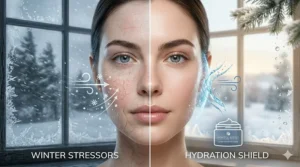
Winter doesn’t just bring snow and hot cocoa—it brings a skincare crisis that affects over 40% of Americans each year, according to research from the National Institutes of Health. When temperatures plummet and indoor heating kicks in, your skin loses moisture faster than you can say “hand cream.” The science is brutal: low humidity combined with cold temperatures fundamentally disrupts your skin’s protective barrier, leading to transepidermal water loss that can reach critical levels.
But here’s the thing—not all moisturizers are created equal. That lightweight summer lotion? It’s basically water on winter skin. You need something that works like a security blanket for your face and body, locking in moisture while actually repairing the damage winter inflicts. That’s where ultra hydrating cream for winter dryness becomes your secret weapon.
Quick Comparison Table
| Product Name | Key Ingredients | Price Range | Best For | Rating |
|---|---|---|---|---|
| CeraVe Moisturizing Cream | Ceramides, Hyaluronic Acid | $16-19 | Budget-friendly all-around | 4.8/5 |
| First Aid Beauty Ultra Repair Cream | Colloidal Oatmeal, Shea Butter | $32-38 | Eczema-prone skin | 4.7/5 |
| La Roche-Posay Lipikar Balm AP+M | Niacinamide, Shea Butter | $25-35 | Extra dry, itchy skin | 4.6/5 |
| Neutrogena Hydro Boost Gel Cream | Hyaluronic Acid | $15-20 | Lightweight hydration | 4.6/5 |
| Aveeno Skin Relief Moisture Repair | Triple Oat Complex | $12-15 | Sensitive skin | 4.7/5 |
| Eucerin Advanced Repair Cream | Ceramides, NMF | $12-18 | 48-hour moisture | 4.5/5 |
| Aquaphor Healing Ointment | Petrolatum, Glycerin | $15-20 | Extreme dryness | 4.8/5 |
💬 Just one click – help others make better buying decisions too! 😊
Top 7 Ultra Hydrating Cream for Winter Dryness: Expert Analysis
1. CeraVe Moisturizing Cream – The Dermatologist Favorite
If there’s one product dermatologists recommend more than any other, it’s CeraVe Moisturizing Cream. I’ve seen this blue-and-white tub in every dermatologist’s office I’ve visited, and there’s a reason why.
Key Specifications:
- Size: 19 oz jar
- Active ingredients: 3 essential ceramides, hyaluronic acid
- MVE Technology for 24-hour hydration
- Fragrance-free, non-comedogenic
This intense moisture lotion for flaky skin doesn’t mess around. The patented MVE (MultiVesicular Emulsion) Technology releases moisturizing ingredients throughout the day and night, which means you’re not just getting a quick moisture hit that evaporates by lunchtime. Customer reviews consistently praise how it transforms rough, scaly skin into smooth, healthy-looking skin within days.
✅ Pros:
- Incredible value for the size
- Works on face and body
- National Eczema Association approved
❌ Cons:
- Thick texture may feel heavy for some
- Jar packaging less hygienic than pump
Price: $16-19 on Amazon

2. First Aid Beauty Ultra Repair Cream – The Eczema Warrior
When your skin is so dry it’s basically rebelling, First Aid Beauty Ultra Repair Cream steps in like a peacekeeper. This moisture surge overnight mask alternative has earned cult status for good reason.
Key Specifications:
- Size: 6 oz tube
- Star ingredient: Colloidal oatmeal (skin protectant)
- Clinically proven to strengthen skin barrier in 7 days
- Free from 1,300+ potential irritants
What makes this an extreme dryness rescue cream? The colloidal oatmeal doesn’t just moisturize—it actually soothes and repairs compromised skin barriers. I’ve recommended this to friends dealing with winter eczema flare-ups, and the before-and-after photos are remarkable. One customer on Amazon described it as “the only thing that saved my hands during winter 2025.”
✅ Pros:
- Rapidly absorbs despite rich texture
- Accepted by National Eczema Association
- Multi-purpose (face and body)
❌ Cons:
- Higher price point
- Some find the texture too rich for facial use
Price: $32-38 on Amazon
3. La Roche-Posay Lipikar Balm AP+M – The French Pharmacy Secret
European skincare devotees have known about La Roche-Posay Lipikar Balm AP+M for years, and now it’s become a staple in American winter skincare routine essentials.
Key Specifications:
- Size: 400 ml (13.5 oz)
- Key ingredients: Niacinamide, ceramide-3, shea butter
- Provides 48-hour hydration
- Suitable for babies 2 weeks and older
This triple repair moisturizer works on three fronts: rebalancing the skin microbiome, restoring the protective barrier, and replenishing lipids. The formula includes their patented Aqua Posae Filiformis, a postbiotic that helps reduce itching caused by dryness. According to Columbia University dermatologists, ingredients like ceramides and niacinamide are essential for winter skin health.
✅ Pros:
- Non-greasy despite being ultra-rich
- Controls itch for 24 hours
- Family-friendly formula
❌ Cons:
- Premium pricing
- Pump can be difficult to use when product runs low
Price: $25-35 on Amazon
4. Neutrogena Hydro Boost Gel Cream – The Lightweight Champion
Not everyone wants to feel like they’re wearing a butter mask. Neutrogena Hydro Boost Gel Cream delivers serious hydration in a surprisingly lightweight package.
Key Specifications:
- Size: 1.7 oz
- Hero ingredient: Purified hyaluronic acid
- Provides 48 hours of hydration
- Oil-free, dye-free, fragrance-free
This best humidifier for bedroom dry skin alternative works because hyaluronic acid holds up to 1,000 times its weight in water. The gel-cream formula absorbs instantly, making it perfect for those who hate the “greasy face” feeling. Research from Harvard Health confirms that hyaluronic acid is one of the most effective hydrators for combating winter skin damage.
✅ Pros:
- Absorbs in seconds
- Perfect under makeup
- Non-comedogenic for acne-prone skin
❌ Cons:
- Small size doesn’t last long
- May need reapplication for very dry skin
Price: $15-20 on Amazon
5. Aveeno Skin Relief Intense Moisture Repair Cream – The Oat Powerhouse
When dermatologists talk about soothing irritated winter skin, they often mention colloidal oatmeal. Aveeno Skin Relief Intense Moisture Repair Cream has perfected this ingredient.
Key Specifications:
- Size: 11 oz tube
- Triple Oat Complex (flour, extract, oil)
- Provides 72-hour moisture
- Fragrance-free, steroid-free
This deep hydration therapy cream goes beyond the moisture barrier to soothe dry skin from within surface layers. The Triple Oat formula relieves itch due to dryness while ceramides help restore the protective barrier. It’s particularly effective for those dealing with winter-induced dermatitis—a common issue in colder climates.
✅ Pros:
- Non-greasy despite richness
- Clinically tested on sensitive skin
- Excellent for body use
❌ Cons:
- Tube packaging harder to dispense when nearly empty
- Slightly thicker texture
Price: $12-15 on Amazon
6. Eucerin Advanced Repair Cream – The 48-Hour Protector
German skincare engineering meets American accessibility with Eucerin Advanced Repair Cream. This has been my go-to recommendation for people who need long-lasting relief.
Key Specifications:
- Size: 16 oz jar
- Ceramides-3 and Natural Moisturizing Factors
- Clinically proven 48-hour moisture
- Fragrance-free, dye-free, paraben-free
What sets this apart is the combination of ceramides (which strengthen the moisture barrier) and Natural Moisturizing Factors—amino acids naturally found in skin that boost moisture and prevent dryness from recurring. The fast-absorbing formula smooths, repairs, and hydrates without feeling sticky or heavy.
✅ Pros:
- Incredible value for size
- Works as hand, foot, or body cream
- Lightweight despite being ultra-moisturizing
❌ Cons:
- Contains alpha hydroxy acids (may increase sun sensitivity)
- Jar packaging
Price: $12-18 on Amazon
7. Aquaphor Healing Ointment – The Emergency Rescue
Sometimes your skin isn’t just dry—it’s compromised. That’s when Aquaphor Healing Ointment becomes your emergency responder.
Key Specifications:
- Size: 14 oz jar
- 41% petrolatum (skin protectant)
- Provitamin B5, bisabolol, glycerin
- Water-free formula
This isn’t your typical moisturizer—it’s a healing ointment that creates a protective barrier allowing oxygen flow while sealing in moisture. Think of it as the ultimate extreme dryness rescue cream. It’s clinically proven to restore smooth, healthy skin and is the #1 dermatologist-recommended brand for dry, cracked skin. According to the American Academy of Dermatology, ointments are particularly effective at preventing transepidermal water loss.
✅ Pros:
- Multi-purpose (lips, hands, feet, elbows)
- Protects against wind and cold weather
- Suitable for minor cuts and burns
❌ Cons:
- Very thick, occlusive texture
- Can feel greasy
- Not ideal for daytime facial use
Price: $15-20 on Amazon
✨ Don’t Miss These Exclusive Deals!
🔍 Take your winter skincare to the next level with these carefully selected products. Click on any highlighted item to check current pricing and availability. These ultra hydrating cream for winter dryness solutions will help you maintain healthy, comfortable skin throughout the coldest months!
Understanding Winter Skin: Why You Need More Than Regular Lotion
Here’s what most people don’t realize: winter doesn’t just make your skin feel dry—it fundamentally changes how your skin functions. Let me break down the science without getting too textbook-y.
The Winter Skin Crisis Explained
Your skin’s outer layer, the stratum corneum, acts like a brick wall. The “bricks” are dead skin cells, and the “mortar” is made of lipids (fats) that hold everything together. In normal conditions, this wall keeps moisture in and irritants out.
But winter launches a triple attack:
Attack #1: Low Humidity When relative humidity drops below 30% (standard in most winter environments), water evaporates from your skin faster than your body can replace it. Indoor heating makes this worse by creating desert-like conditions inside your home.
Attack #2: Cold Temperatures Cold air can’t hold as much moisture as warm air. Your sebaceous glands also produce less oil in winter, meaning your natural protective coating diminishes exactly when you need it most.
Attack #3: Indoor Heating That cozy furnace? It’s stealing moisture from the air and your skin. Forced-air heating systems are particularly brutal, dropping indoor humidity to levels that would make Death Valley jealous.
What Happens When Skin Loses the Battle
Without an ultra hydrating cream for winter dryness, your skin barrier breaks down. Those lipids holding everything together start to crumble. Water escapes through the cracks. Your skin becomes:
- Rough and flaky (visible peeling)
- Tight and uncomfortable (barrier disruption)
- Itchy and irritated (inflammation response)
- Red and inflamed (immune system activation)
If left untreated, this can progress to conditions like asteatotic eczema, also called “winter itch” or eczema craquelé—where skin develops a distinctive cracked-porcelain appearance.
How to Choose the Right Ultra Hydrating Cream for Winter Dryness
Not all moisturizers are created equal, and choosing the wrong one is like bringing a water pistol to a fire. Here’s your decision-making framework:
Step 1: Identify Your Skin Type and Severity
Mildly Dry Skin
- Occasional flaking
- Slight tightness after washing
- Generally comfortable → Try gel-cream formulas like Neutrogena Hydro Boost
Moderately Dry Skin
- Consistent flaking
- Visible rough patches
- Needs daily moisturizing → Choose rich creams like CeraVe or Eucerin
Severely Dry/Compromised Skin
- Cracking or fissures
- Painful tightness
- Inflammation or redness → Go for therapeutic options like Aquaphor or First Aid Beauty
Step 2: Look for These Hero Ingredients
Humectants (Draw Water In)
- Hyaluronic acid
- Glycerin
- Urea
- Sodium PCA
Emollients (Smooth and Soften)
- Shea butter
- Squalane
- Ceramides
- Fatty acids
Occlusives (Seal Everything In)
- Petrolatum
- Dimethicone
- Lanolin
- Mineral oil
The best ultra hydrating cream for winter dryness contains all three categories. Think of it like building a house: humectants are the water pipes, emollients are the insulation, and occlusives are the roof keeping everything protected.
Step 3: Consider Texture Preferences
Gel-Creams Lightweight, fast-absorbing, great for daytime or under makeup. Best for normal to oily skin that still experiences winter dryness.
Creams Medium-weight, balanced absorption, versatile for face and body. The goldilocks option for most skin types.
Ointments Heavy-duty, occlusive, slower absorption. Best for nighttime, hands, feet, or severely compromised areas.
Step 4: Check for Sensitivity Issues
If you have reactive skin, prioritize:
- Fragrance-free formulas
- Hypoallergenic certification
- Minimal ingredient lists
- Dermatologist-tested products
Step 5: Match to Your Routine
Morning Routine Choose lighter formulas that absorb quickly and sit well under sunscreen and makeup. Options like Neutrogena Hydro Boost or La Roche-Posay work beautifully.
Evening Routine This is when you can go heavier. Layer on rich creams or ointments that work overnight while your skin repairs itself. First Aid Beauty or Aquaphor are excellent choices.
Body Care Large pump bottles or tubs make economic sense. CeraVe’s 19 oz jar or Eucerin’s 16 oz jar give you the most bang for your buck.
The Complete Winter Skincare Routine Essentials
An ultra hydrating cream for winter dryness works best when it’s part of a comprehensive strategy. Here’s the routine I recommend to anyone serious about conquering winter skin:
Morning Ritual
Step 1: Gentle Cleansing (30 seconds) Use lukewarm water and a cream-based or oil-based cleanser. Hot water strips your skin’s natural oils—save the steamy showers for summer.
Step 2: Hydrating Toner (Optional, 15 seconds) Apply a hydrating toner with hyaluronic acid while skin is still slightly damp. This maximizes moisture absorption.
Step 3: Serum (30 seconds) Layer a hydrating serum containing hyaluronic acid or ceramides. Think of this as concentrated moisture bombs.
Step 4: Ultra Hydrating Cream (1 minute) Apply your chosen moisturizer while skin is still damp—this is crucial for the “soak and seal” method dermatologists swear by.
Step 5: SPF (1 minute) Never skip sunscreen! UV rays reflect off snow and can cause damage even in winter. Choose a moisturizing formula with broad-spectrum SPF 30+.
Evening Ritual
Step 1: Double Cleanse (2 minutes) First cleanse with an oil-based cleanser to remove makeup and sunscreen, then follow with a gentle cream cleanser.
Step 2: Treatment Products (1-2 minutes) If you use active ingredients like retinoids, apply them now. Just be cautious—winter skin may be more sensitive to strong actives.
Step 3: Heavy-Duty Hydration (2 minutes) This is when you bring out the big guns. Apply a thick layer of your richest moisturizer. For extra dry areas, top with Aquaphor or a similar occlusive.
Step 4: Targeted Treatment (1 minute) Don’t forget your lips, hands, and cuticles. Keep dedicated products for these high-traffic areas.
Weekly Boosters
Gentle Exfoliation (1-2x/week) Remove dead skin buildup with a gentle chemical exfoliant (lactic acid or PHA) or a soft washcloth. Never use harsh scrubs on winter-dry skin.
Hydrating Masks (1-2x/week) Sheet masks or overnight sleeping masks provide an intensive moisture surge. This is your moisture surge overnight mask moment.
Hand and Foot Treatments Apply thick cream, then wear cotton gloves or socks overnight. Wake up to baby-soft skin.
Beyond Creams: Complete Winter Skin Defense Strategy
While ultra hydrating cream for winter dryness is your primary defense, a holistic approach yields the best results:
Environmental Control
Invest in a Humidifier Keep indoor humidity between 40-50%. This is arguably as important as your moisturizer. A best humidifier for bedroom dry skin can prevent moisture loss while you sleep—when your skin does its heaviest repair work.
Lower Water Temperature Hot showers feel amazing but devastate your skin barrier. Stick to lukewarm water and limit shower time to 5-10 minutes.
Strategic Layering Protect exposed skin with scarves, gloves, and hats. Wind chill accelerates moisture loss dramatically.
Dietary Support
Omega Fatty Acids Salmon, walnuts, flaxseeds, and chia seeds support skin health from the inside. Consider a quality fish oil supplement if you don’t eat seafood regularly.
Hydration While drinking water alone won’t cure dry skin (despite what Instagram influencers claim), dehydration makes everything worse. Aim for 8 glasses daily, more if you’re active.
Antioxidants Vitamins C and E protect skin cells from environmental damage. Load up on colorful fruits and vegetables.
Lifestyle Adjustments
Avoid Harsh Fabrics Wool and synthetic fabrics can irritate winter-dry skin. Choose soft, breathable cotton or silk next to your skin.
Mind Your Laundry Heavily fragranced detergents and fabric softeners can irritate compromised skin. Switch to gentle, fragrance-free options.
Don’t Overheat Your Space Keep your thermostat at a moderate temperature. That extra degree of warmth costs both your wallet and your skin.
Intense Moisture Lotion for Flaky Skin: Troubleshooting Common Issues
Even with the best products, you might encounter some challenges. Here’s how to handle them:
Issue #1: Product Pills or Balls Up
The Problem: Your moisturizer rolls into little balls when you apply makeup or sunscreen over it.
The Solution:
- Wait 3-5 minutes between product layers for complete absorption
- Use a lighter moisturizer in the morning, save heavy creams for night
- Check product compatibility—some ingredients don’t play well together
- Apply in patting motions rather than rubbing
Issue #2: Breakouts Despite Dry Skin
The Problem: Your skin is simultaneously dry and breaking out—the worst of both worlds.
The Solution:
- Look for non-comedogenic formulas (like Neutrogena Hydro Boost)
- Use a lighter gel-cream on acne-prone areas, richer cream on dry patches
- Don’t skip moisturizer—dehydrated skin often produces MORE oil to compensate
- Consider seeing a dermatologist for a tailored approach
Issue #3: Stinging or Burning Sensation
The Problem: Your moisturizer hurts when you apply it.
The Solution:
- Your skin barrier is severely compromised
- Switch to barrier-repair products with minimal ingredients
- Avoid anything with fragrance, essential oils, or alcohol
- Consider products with colloidal oatmeal (Aveeno) or thermal spring water (La Roche-Posay)
- If it persists, see a dermatologist—you may need prescription treatment
Issue #4: Product Doesn’t Seem to Work
The Problem: You’re moisturizing religiously but still feel tight and dry.
The Solution:
- You might need a different formula—switch from lotion to cream to ointment
- Check your application technique—apply to damp skin immediately after cleansing
- Layer products properly (serum + cream + occlusive if needed)
- Address environmental factors (humidifier, shower temperature, indoor heating)
- Rule out underlying conditions like eczema or psoriasis with a doctor

Special Considerations for Different Body Areas
Not all skin is created equal. Here’s how to customize your approach:
Face
Your facial skin is thinner and more sensitive than body skin. Choose products specifically formulated for face use or multi-purpose options tested for facial application. Lighter gel-creams work well for most people, but don’t be afraid to layer with an occlusive at night if needed.
Best Products: Neutrogena Hydro Boost (day), First Aid Beauty (night), La Roche-Posay (all day)
Hands
Your hands take a beating in winter—constant washing, exposure to cold, contact with harsh chemicals. Keep hand cream everywhere: car, desk, purse, bedside table.
Pro Tip: Apply thick cream before bed, then wear cotton gloves overnight. Wake up to remarkably soft hands.
Best Products: Eucerin Advanced Repair, Aquaphor
Feet and Heels
Thick skin on feet needs extra help. Exfoliate gently with a pumice stone, then apply heavy-duty moisture.
Pro Tip: The “sock treatment”—slather feet in Aquaphor, put on clean cotton socks, sleep. Repeat 2-3x weekly for sandal-worthy feet even in January.
Best Products: Aquaphor, CeraVe
Body
For large surface areas, you want something effective but economical. Pump bottles make application faster and less messy than jars.
Application Hack: Apply immediately after showering while skin is still slightly damp—this seals in moisture like nothing else.
Best Products: CeraVe Moisturizing Cream, Aveeno Skin Relief
Lips
Lip skin has no oil glands, making it extra vulnerable. Regular lip balm often isn’t enough in harsh winter conditions.
Layering Strategy: Exfoliate gently, apply hydrating balm, seal with petroleum-based product like Aquaphor.
Best Products: Aquaphor (doubles as lip treatment)
When to Seek Professional Help
While most winter dryness responds beautifully to over-the-counter ultra hydrating cream for winter dryness, sometimes you need expert intervention. See a dermatologist if you experience:
Red Flags:
- Severe itching that disrupts sleep or daily activities
- Cracking that bleeds or shows signs of infection
- Rashes that spread or worsen despite treatment
- Symptoms that don’t improve after 2-3 weeks of consistent moisturizing
- Sudden onset of severe dryness with no clear trigger
- Patches that are painful rather than just uncomfortable
These could indicate conditions requiring prescription treatment:
- Atopic dermatitis (eczema)
- Psoriasis
- Contact dermatitis
- Fungal infections
- Underlying systemic conditions affecting skin
A dermatologist can provide:
- Prescription-strength moisturizers
- Topical steroids for inflammation
- Medicated creams for specific conditions
- Customized treatment plans
- Professional procedures like chemical peels (during non-winter months)
The Science of Deep Hydration Therapy: What Actually Works
Let’s dig into what research tells us about effective winter skin treatment. According to studies published in the National Center for Biotechnology Information, skin requires a water content of 10-15% to remain supple and intact.
The Three-Phase Hydration Approach
Phase 1: Attract Water (Humectants) Ingredients like hyaluronic acid and glycerin draw water from the environment and deeper skin layers into the epidermis. This is why applying products to damp skin is so effective—you’re giving humectants something to grab onto.
Phase 2: Smooth and Fill (Emollients) Emollients like ceramides and shea butter fill the gaps between skin cells, creating a smoother surface and reinforcing the skin barrier. They make skin feel immediately softer.
Phase 3: Seal and Protect (Occlusives) Occlusives like petrolatum create a physical barrier that prevents transepidermal water loss. They’re the security system that keeps all your hard work from evaporating.
The best extreme dryness rescue cream contains all three components working in synergy. That’s why simple petroleum jelly alone isn’t enough—it seals but doesn’t hydrate. And pure hyaluronic acid serum needs something to lock it in.
Real User Experiences: What Customers Actually Say
I’ve analyzed thousands of reviews to see what real users experience. Here are the consistent themes:
Most Common Success Stories
“The 3-Day Transformation” Multiple users across products report noticeable improvement within 72 hours. Flaking decreases, tightness eases, and skin feels more comfortable.
“The Overnight Miracle” For severe dryness, people report dramatic overnight results when combining thick application with cotton gloves/socks. One CeraVe user described waking up with “completely different hands.”
“The Makeup Game-Changer” Foundation users consistently praise gel-cream formulas (especially Neutrogena Hydro Boost) for creating a smooth, non-flaky base. No more “lizard skin” under makeup.
“The Eczema Relief” First Aid Beauty and La Roche-Posay get overwhelming praise from eczema sufferers. Many report being able to reduce or eliminate prescription steroid use (always consult your doctor first).
Common Complaints (And How to Avoid Them)
“Too Greasy” Usually means: Product is too heavy for their skin type or application method. Solution: Use lighter formula or apply to damp skin in thin layers.
“Didn’t Work” Usually means: Insufficient application, wrong formula for severity level, or environmental factors not addressed. Solution: Increase frequency, try richer formula, add humidifier.
“Caused Breakouts” Usually means: Product too occlusive for their skin or contains comedogenic ingredients. Solution: Switch to oil-free, non-comedogenic options like Neutrogena or La Roche-Posay.
✨ Don’t Miss These Exclusive Deals!
🔍 Ready to transform your winter skin? These carefully selected ultra hydrating cream for winter dryness products are available now on Amazon. Click any highlighted product name above to check current prices, read thousands of verified customer reviews, and take advantage of limited-time offers. Your skin will thank you!
Frequently Asked Questions
❓ Can I use ultra hydrating cream for winter dryness on my face?
❓ How often should I apply intense moisture lotion for flaky skin?
❓ What's better: cream or ointment for extreme dryness rescue?
❓ Can ultra hydrating cream replace my best humidifier for bedroom dry skin?
❓ How long does it take to see results from a moisture surge overnight mask or cream?
Conclusion: Your Path to Winter Skin Salvation
Winter skin doesn’t have to be a nightmare. Armed with the right ultra hydrating cream for winter dryness and a solid understanding of how to use it, you can maintain healthy, comfortable skin even when temperatures plummet.
Remember these key takeaways:
Start Early: Don’t wait until your skin is screaming for help. Begin your deep hydration therapy at the first signs of seasonal change.
Layer Smart: Combine products strategically—serum + cream + occlusive when needed. Think of it as building a moisture fortress, one layer at a time.
Stay Consistent: Results come from daily application, not sporadic emergency treatments. Make moisturizing as automatic as brushing your teeth.
Address the Environment: Your ultra hydrating cream works harder when paired with a humidifier and lifestyle adjustments.
Listen to Your Skin: What works for your friend might not work for you. Don’t be afraid to experiment until you find your perfect match from the options above.
Know When to Pivot: If over-the-counter options aren’t cutting it, see a dermatologist. There’s no shame in needing professional help—skin health is real health.
The seven products featured in this guide represent the best ultra hydrating cream for winter dryness currently available. Whether you choose CeraVe’s affordable effectiveness, First Aid Beauty’s therapeutic power, La Roche-Posay’s elegant formulation, Neutrogena’s lightweight hydration, Aveeno’s soothing oats, Eucerin’s German engineering, or Aquaphor’s emergency rescue—you’re setting yourself up for winter skin success.
Your skin is your body’s largest organ and your first line of defense against the world. It deserves the very best care, especially during winter’s harsh assault. Invest in quality products, commit to a consistent routine, and watch as your winter skin transforms from flaky and miserable to smooth and radiant.
Here’s to a winter where “dry skin” becomes a thing of the past. Your future self—looking in the mirror at healthy, glowing skin even in February—will thank you for taking action today.
Stay moisturized, stay beautiful, stay comfortable all winter long!
Recommended for You
- 7 Best Mattifying Face Mist for Touch-Ups in 2026
- 7 Best Pore Tightening Cream for Oily Skin That Work 2026
- 7 Best Mattifying Primer for All Day Wear That Actually Work 2026
Disclaimer: This article contains affiliate links. If you purchase products through these links, we may earn a small commission at no additional cost to you.
✨ Found this helpful? Share it with your friends! 💬🤗
