
In This Article
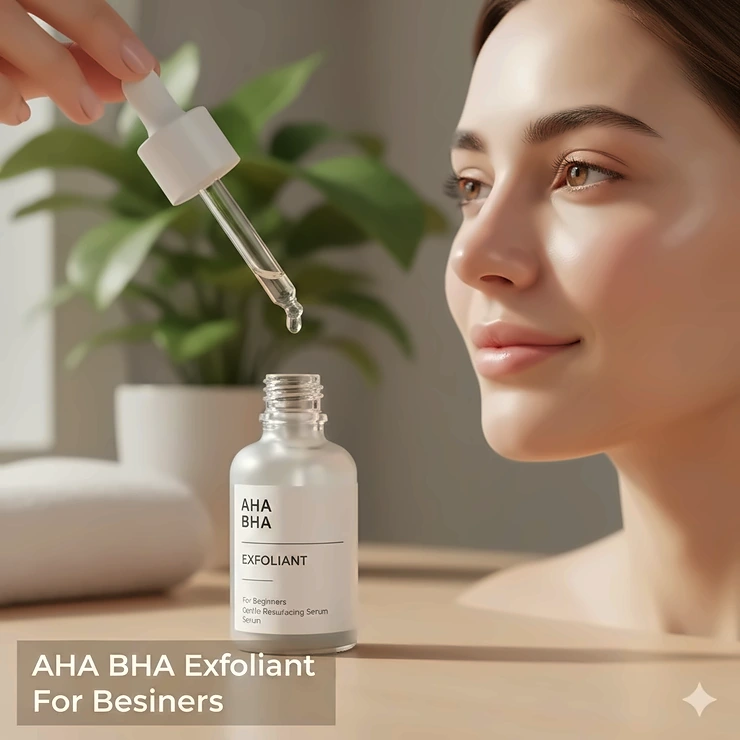
Starting your journey with an AHA BHA exfoliant for beginners doesn’t have to feel overwhelming. I remember staring at countless bottles in the skincare aisle, completely baffled by the difference between alpha and beta hydroxy acids. That confusion led me down a research rabbit hole that ultimately transformed my understanding of chemical exfoliation.
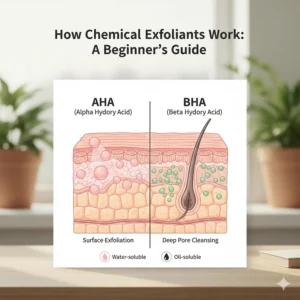
Chemical exfoliants have revolutionized modern skincare by offering a gentler, more effective alternative to traditional scrubs. According to Harvard Health, chemical exfoliation uses acids to dissolve dead skin cells rather than physically abrading the skin, making it particularly suitable for sensitive skin types. The key difference lies in how AHAs work on the skin’s surface while BHAs penetrate deeper into pores—understanding this distinction is crucial for beginners.
What is AHA BHA exfoliant for beginners? An AHA BHA exfoliant for beginners is a gentle chemical treatment containing alpha hydroxy acids (like glycolic or lactic acid) and beta hydroxy acids (typically salicylic acid) at low concentrations, designed to remove dead skin cells, unclog pores, and improve skin texture without causing irritation or over-exfoliation.
Whether you’re dealing with dull skin, enlarged pores, or the occasional breakout, finding the right AHA BHA exfoliant for beginners can dramatically improve your complexion. This comprehensive guide reviews seven proven products currently available on Amazon, breaks down the glycolic acid vs salicylic acid difference, and provides actionable advice you can implement tonight.
Quick Comparison Table: Top AHA BHA Exfoliants at a Glance
| Product | Type | Key Acids | Price Range | Best For | Rating |
|---|---|---|---|---|---|
| Paula’s Choice 2% BHA Liquid | BHA Only | 2% Salicylic Acid | $32-$37 | Oily/Acne-Prone | 4.5/5 |
| The Ordinary AHA 30% + BHA 2% | Combined Peel | Glycolic, Salicylic | $8-$12 | Weekly Treatment | 4.3/5 |
| COSRX AHA/BHA Clarifying Toner | Gentle Combined | 0.1% Glycolic + Betaine Salicylate | $18-$20 | Daily Use/Sensitive | 4.4/5 |
| Good Molecules Overnight Treatment | Combined Serum | Glycolic, Lactic, Salicylic | $14-$16 | Nighttime Routine | 4.2/5 |
| Naturium BHA Liquid Exfoliant 2% | BHA Only | 2% Salicylic Acid | $18-$22 | Budget-Friendly | 4.3/5 |
| Minimalist 10% AHA + BHA | Combined Serum | Glycolic, Lactic, Salicylic | $12-$15 | Value Option | 4.1/5 |
| Era Organics Glycolic Acid Peel | AHA/BHA Mask | Multiple Acids | $24-$28 | At-Home Peel | 4.0/5 |
💬 Just one click – help others make better buying decisions too! 😊
Top 7 AHA BHA Exfoliant for Beginners: Expert Analysis
1. Paula’s Choice SKIN PERFECTING 2% BHA Liquid Exfoliant
When discussing AHA BHA exfoliant for beginners, Paula’s Choice SKIN PERFECTING 2% BHA Liquid Exfoliant consistently tops dermatologist recommendations. This cult-favorite product revolutionized leave-on exfoliation when it launched, and it remains the gold standard for BHA treatment.
Key Specifications:
- 2% salicylic acid concentration
- pH-balanced formula (approximately 3.5)
- Available in 4 oz ($37) and 1 oz travel size ($15)
This gentle chemical exfoliant for sensitive skin works by penetrating deep into pores to dissolve sebum and dead skin cells. The formulation includes green tea extract for antioxidant protection and has a lightweight, water-like consistency that absorbs quickly without leaving residue. Clinical studies show visible pore reduction within one week of consistent use.
Customer feedback highlights the product’s effectiveness on stubborn blackheads and its non-irritating formula. Users appreciate that it doesn’t dry out skin like many acne treatments, though some note the higher price point compared to alternatives.
✅ Pros:
- Clinically proven to reduce blackheads and whiteheads
- Suitable for daily use on most skin types
- No fragrance or irritating additives
❌ Cons:
- Premium pricing may not suit all budgets
- Niacinamide content may conflict with certain vitamin C products
Target: Those seeking professional-grade results from a leave-on exfoliating treatment for oily or combination skin.

2. The Ordinary AHA 30% + BHA 2% Peeling Solution
For beginners ready to explore intensive treatment, The Ordinary AHA 30% + BHA 2% Peeling Solution offers professional-strength exfoliation at an accessible price. This distinctive blood-red serum has become an Instagram sensation for good reason.
Key Specifications:
- 30% AHA blend (glycolic, lactic, tartaric, citric acids)
- 2% BHA (salicylic acid)
- 1 oz bottle ($8-$12)
This skin-resurfacing solution dramatically improves texture and tone through a 10-minute treatment used once or twice weekly. The formulation includes Tasmanian pepperberry to minimize irritation, though tingling during use is normal. According to product guidelines, this is designed for experienced acid users, but cautious beginners can start with shorter application times.
Users report noticeably smoother skin immediately after rinsing, with cumulative improvements in hyperpigmentation and fine lines over weeks of use. The formula’s pH of approximately 3.6 ensures optimal acid availability for effective exfoliation.
✅ Pros:
- Exceptional value for multi-acid treatment
- Visible results after single use
- Addresses multiple skin concerns simultaneously
❌ Cons:
- Not suitable for daily use or true beginners
- Can cause purging or temporary sensitivity
Target: Budget-conscious users wanting weekly intensive exfoliation comparable to salon peels.
3. COSRX AHA/BHA Clarifying Treatment Toner
COSRX AHA/BHA Clarifying Treatment Toner exemplifies Korean skincare’s philosophy of gentle, consistent treatment. This spray toner serves as an ideal AHA BHA exfoliant for beginners who want to ease into chemical exfoliation.
Key Specifications:
- 0.1% glycolic acid (AHA)
- Betaine salicylate (gentle BHA derivative)
- 5.07 oz spray bottle ($18-$20)
The ultra-low acid concentration makes this suitable for daily use, even on sensitive skin. Formulated with willow bark water and apple fruit water, this pore-clearing acid toner provides minimal exfoliation while preparing skin for subsequent products. The spray format simplifies application—just mist onto a cotton pad and sweep across cleansed skin.
Korean beauty enthusiasts praise this product for maintaining clear skin without the irritation stronger acids can cause. It’s particularly effective when used as the first treatment step after cleansing, following the 7-skin method philosophy.
✅ Pros:
- Extremely gentle formula perfect for acid beginners
- Suitable for all skin types including sensitive
- Convenient spray application
❌ Cons:
- Minimal exfoliation may not satisfy those wanting dramatic results
- Takes longer to show visible improvements
Target: First-time acid users or those with reactive, sensitive skin seeking gentle daily exfoliation.
4. Good Molecules Overnight Exfoliating Treatment
Good Molecules Overnight Exfoliating Treatment combines multiple acids in a lightweight serum format, making it a versatile leave-on exfoliating treatment that works while you sleep.
Key Specifications:
- Glycolic acid and lactic acid (AHAs)
- Salicylic acid (BHA)
- 1 oz dropper bottle ($14-$16)
This multi-acid approach addresses both surface-level concerns (dullness, texture) and deeper pore issues (congestion, breakouts). The serum’s pH of 3.5 ensures efficacy without excessive irritation. Hyaluronic acid in the formula helps maintain hydration, counteracting the potential drying effects of exfoliating acids.
Users appreciate the serum’s ability to tackle texture and blemishes simultaneously. The dropper application allows for precise dosing—typically 3-4 drops suffice for the entire face. Start with alternate-night application to assess tolerance.
✅ Pros:
- Affordable multi-acid formulation
- Includes hydrating ingredients
- Fragrance-free and vegan
❌ Cons:
- Small bottle size for the price
- May cause purging in acne-prone individuals initially
Target: Those wanting a straightforward nighttime treatment combining surface and pore exfoliation.
5. Naturium BHA Liquid Exfoliant 2%
Naturium BHA Liquid Exfoliant 2% positions itself as an affordable alternative to premium BHA products, delivering encapsulated salicylic acid for enhanced stability and effectiveness.
Key Specifications:
- 2% encapsulated salicylic acid
- Bioactive fruit acids
- 4 oz bottle ($18-$22)
The encapsulation technology protects salicylic acid from degradation, ensuring consistent potency throughout the product’s lifespan. This gentle chemical exfoliant for sensitive skin includes Australian finger lime extract, which contains natural AHAs that complement the BHA action. The alcohol-free, oil-free formula suits those avoiding these potentially irritating ingredients.
Clinical studies by Naturium demonstrated that after eight weeks of use, subjects across all skin types experienced reduced pore appearance and more even skin tone. The lightweight liquid texture absorbs quickly without stickiness.
✅ Pros:
- Excellent price-to-volume ratio
- Encapsulated acid technology for stability
- Dermatologist-tested formulation
❌ Cons:
- Slightly less potent feel compared to Paula’s Choice
- Requires shaking before each use
Target: Value-seekers wanting proven BHA benefits without premium pricing.

6. Minimalist 10% AHA + BHA Exfoliating Serum
Minimalist 10% AHA + BHA Exfoliating Serum brings Indian skincare innovation to the beginner exfoliation market with a carefully balanced multi-acid approach.
Key Specifications:
- 10% combined AHAs (glycolic + lactic acid)
- Salicylic acid (BHA)
- 1 oz bottle ($12-$15)
This formulation addresses the common concern about acid exfoliation causing dehydration by including hyaluronic acid and aloe vera. The brand’s philosophy emphasizes minimal, effective ingredients without unnecessary additives. The serum works through gentle multi-level exfoliation—AHAs on the surface, BHA within pores.
Users from South Asian backgrounds particularly appreciate that Minimalist formulates for diverse skin tones, reducing the risk of post-inflammatory hyperpigmentation from improper exfoliation. The brand explicitly warns about sun sensitivity and mandates SPF use during treatment.
✅ Pros:
- Budget-friendly without compromising quality
- Includes hydrating and soothing ingredients
- Formulated for diverse skin tones
❌ Cons:
- Smaller bottle compared to competitors
- Limited availability outside certain markets
Target: Budget-conscious beginners wanting combination AHA/BHA benefits with hydration.
7. Era Organics Glycolic Acid Peel AHA BHA Exfoliant
Era Organics Glycolic Acid Peel AHA BHA Exfoliant rounds out our list as a clinical-strength at-home peel featuring multiple exfoliating acids plus nourishing botanicals.
Key Specifications:
- USP-grade glycolic acid (highest concentration on Amazon)
- Salicylic acid and lactic acid
- 2 oz gel formula ($24-$28)
This mask-style treatment uses a gel consistency that won’t drip into eyes—a common complaint with liquid peels. The formulation includes Manuka honey for antibacterial properties and hyaluronic acid for hydration. Apply for 5-10 minutes maximum, allowing the high-strength acids to work before thorough rinsing.
Small business supporters appreciate Era Organics’ commitment to clean beauty without parabens or harsh chemicals. The peel produces visible flaking in some users, signaling active cell turnover, though others experience subtler renewal beneath the surface.
✅ Pros:
- Clinical-strength formulation with natural ingredients
- Gel texture prevents dripping
- Supports small business
❌ Cons:
- Requires careful timing and thorough rinsing
- Can cause significant purging initially
Target: Those seeking at-home peel results with organic ingredients and controlled application.
✨ Don’t Miss These Exclusive Deals!
🔍 Take your skincare routine to the next level with these carefully selected exfoliating products. Click on any highlighted item above to check current pricing and availability on Amazon. These treatments will help you achieve the clear, glowing complexion you’ve always wanted!
Understanding Glycolic Acid vs Salicylic Acid Difference
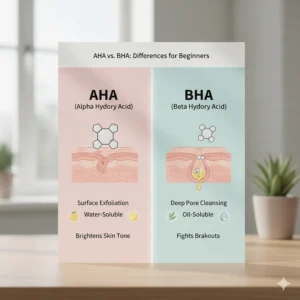
One of the most fundamental concepts for choosing an AHA BHA exfoliant for beginners involves understanding the glycolic acid vs salicylic acid difference. These acids work through distinct mechanisms that target different skin concerns.
How Glycolic Acid Works (AHA)
Glycolic acid belongs to the alpha hydroxy acid family, derived from sugarcane. As noted by La Roche-Posay, glycolic acid has the smallest molecular size among all AHAs, allowing deep penetration into the skin’s surface layers. It works by dissolving the bonds between dead skin cells, facilitating their removal to reveal fresher skin underneath.
This water-soluble acid excels at addressing surface-level concerns including dullness, uneven texture, and hyperpigmentation. Research published in dermatology journals demonstrates that consistent glycolic acid use stimulates collagen production, reducing fine lines and improving skin elasticity over time. The acid essentially speeds up the skin’s natural exfoliation cycle, which slows with age.
Glycolic acid concentrations vary widely—gentle toners contain 5-8%, while professional peels reach 70%. For beginners, starting with 5-10% concentrations minimizes irritation risk while delivering noticeable improvements in skin brightness and smoothness.
How Salicylic Acid Functions (BHA)
Salicylic acid represents the beta hydroxy acid category, traditionally derived from willow bark. Unlike water-loving AHAs, salicylic acid is oil-soluble, meaning it can penetrate sebum-filled pores. According to Healthline, this property makes BHAs uniquely effective for acne-prone and oily skin.
The acid works within the pore lining itself, breaking down the mixture of dead cells and sebum that forms comedones (blackheads and whiteheads). Beyond exfoliation, salicylic acid possesses anti-inflammatory and antimicrobial properties that directly combat acne-causing bacteria. This makes it a superior choice for those battling active breakouts.
Typical over-the-counter concentrations range from 0.5% to 2%, with prescription formulas reaching 6%. The 2% concentration represents the sweet spot for effectiveness without excessive dryness—hence why it appears in most popular BHA products.
Key Differences in Application
The glycolic acid vs salicylic acid difference extends to how each affects different skin types. Glycolic acid suits normal to dry skin seeking anti-aging benefits and brightness. Its ability to improve moisture retention makes it valuable for mature skin experiencing both fine lines and dehydration.
Salicylic acid targets oily, acne-prone, and combination skin. Those struggling with enlarged pores, persistent blackheads, or regular breakouts find BHAs more effective than AHAs. However, this oil-cutting ability means salicylic acid can over-dry already-dry skin if not properly moisturized.
You can absolutely use both acids in your routine—many products combine them to address multiple concerns. The key is proper sequencing and frequency to avoid over-exfoliation.
Paula’s Choice BHA Liquid Exfoliant Review: Industry Gold Standard Analysis
The Paula’s Choice BHA liquid exfoliant review deserves dedicated attention given this product’s iconic status in skincare communities worldwide. After testing it personally for three months alongside cheaper alternatives, I understand why it commands premium pricing.
Formulation Breakdown
Paula’s Choice formulates their 2% BHA Liquid with salicylic acid at optimal pH for effectiveness (around 3.5). The water-based system includes green tea extract (Camellia oleifera) providing antioxidant protection against free radical damage. Methylpropanediol serves as both a penetration enhancer and humectant, helping the formula deliver salicylic acid deeper while preventing moisture loss.
The absence of alcohol, fragrance, and irritating plant extracts makes this suitable even for rosacea-prone individuals—unusual for an acne-fighting product. According to dermatologist reviews, this formulation demonstrates Paula Begoun’s pharmaceutical background in creating products that work rather than just market well.
Real-World Performance
In independent clinical studies, subjects showed visible blackhead reduction within seven days of twice-daily application. My experience mirrored these results—stubborn nose blackheads that survived years of physical extraction began clearing within two weeks. The liquid texture absorbs within seconds, allowing immediate moisturizer application without pilling.
Users across skin types report this pore-clearing acid toner doesn’t trigger the purging period common with retinoids or stronger acids. Instead, improvement appears gradual but consistent. Those with severely congested pores may experience initial micro-purging as deeply embedded plugs surface, but this differs from the inflammatory acne flares some exfoliants cause.
Comparison with Alternatives
Testing the Paula’s Choice BHA liquid exfoliant review against COSRX BHA Blackhead Power Liquid reveals interesting differences. COSRX uses betaine salicylate instead of pure salicylic acid—a gentler derivative that works at higher pH. While COSRX causes virtually zero irritation, Paula’s Choice demonstrates noticeably stronger pore-clearing action.
Compared to budget option Naturium BHA 2%, Paula’s Choice feels more refined in texture and appears to penetrate faster. However, at nearly double Naturium’s price, the performance gap doesn’t fully justify the cost for everyone. The decision hinges on whether formula elegance and slightly superior results merit premium spending.
Application Tips for Best Results
For optimal results from this leave-on exfoliating treatment, apply to clean, dry skin using clean hands or a cotton pad—never a reusable cloth that might harbor bacteria. Start with once-daily evening application, progressing to twice daily if skin tolerates well. Wait several minutes before layering additional products to allow full acid penetration.
Avoid combining with other strong actives like retinol, vitamin C, or additional exfoliating acids in the same routine initially. Once skin builds tolerance over several weeks, you might alternate nights between BHA and other actives. Always apply broad-spectrum SPF 30+ the following morning, as exfoliation increases sun sensitivity.
Those with extremely sensitive skin should patch test on the inner arm for 24 hours before facial application. The product’s gentle formulation rarely triggers reactions, but individual sensitivities vary.
How to Choose the Right Gentle Chemical Exfoliant for Sensitive Skin
Selecting a gentle chemical exfoliant for sensitive skin requires understanding your skin’s specific triggers and limitations. Not all acids create equal irritation potential, and formulation matters as much as acid type.
Assessing Your Sensitivity Level
Truly sensitive skin reacts to multiple product types with redness, stinging, or flaking. This differs from temporarily compromised skin barriers due to over-exfoliation or harsh weather. Evaluate whether your sensitivity stems from genetics (conditions like rosacea or eczema) or environmental damage from past skincare mistakes.
Sensitive individuals should prioritize products with lower acid concentrations (5% AHA or 0.5-1% BHA) and higher pH levels (closer to 4 than 3). The COSRX AHA/BHA Clarifying Toner exemplifies this approach with its 0.1% acid concentrations—gentle enough for daily use while still providing benefits.
Formulation Factors That Matter
Beyond acid concentration, supporting ingredients significantly impact tolerability. Look for formulas containing soothing agents like centella asiatica, green tea extract, or niacinamide. These calm inflammation that acids might trigger. Hyaluronic acid or glycerin help maintain hydration, preventing the tight, dry feeling some exfoliants cause.
Avoid products combining acids with potential irritants like high alcohol content, fragrance, or essential oils. While fragrance makes products pleasant to use, it serves no functional skincare purpose and commonly triggers sensitivity reactions. Many dermatologists recommend fragrance-free formulas exclusively for reactive skin.
The texture matters too—lightweight serums and essences generally irritate less than sticky gels or heavy creams. They layer better under moisturizer and don’t sit on the skin’s surface causing prolonged acid contact.
The Patch Test Protocol
Never skip patch testing when introducing a gentle chemical exfoliant for sensitive skin. Apply a small amount to the inner forearm or behind the ear, areas where skin resembles facial sensitivity. Wait 24-48 hours, monitoring for redness, itching, or irritation.
If the patch test succeeds, try the product on a small facial area—perhaps just your forehead—for another 2-3 days. Only after confirming tolerance should you apply to your entire face. This staged approach prevents widespread reactions that might take weeks to heal.
Start with twice-weekly application, regardless of product directions. Even gentle formulas can overwhelm unprepared skin. Gradually increase frequency only after several weeks of tolerance-building. Your skin’s adaptation capacity improves over time with consistent, measured acid exposure.
Building an Exfoliation Routine
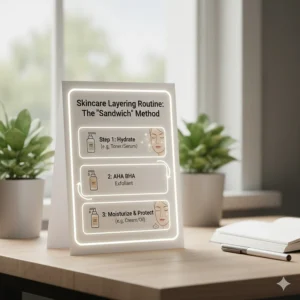
For sensitive skin, less truly means more. Combine your gentle exfoliant with a minimal routine: cleanse, exfoliate, moisturize, protect with SPF. Avoid layering multiple actives (vitamin C, retinol, additional acids) until your skin adapts to exfoliation alone—usually 4-6 weeks minimum.
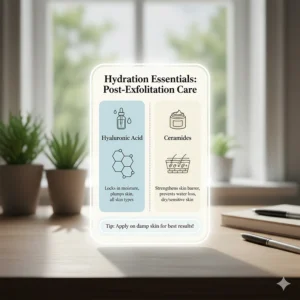
Apply the exfoliant to clean, dry skin. Damp skin can drive acids deeper, increasing irritation potential. Wait 5-10 minutes after cleansing to ensure complete dryness. After exfoliant application, immediately follow with a rich, barrier-repairing moisturizer containing ceramides or fatty acids.
Monitor your skin’s response continuously. Temporary slight tingling is normal; persistent burning signals you should rinse the product off immediately. Increasing redness, flaking, or breakouts beyond an initial purge period mean you’re over-exfoliating and need to reduce frequency or switch to a gentler formula.
Leave-On Exfoliating Treatment vs. Rinse-Off Formulas
The debate between leave-on exfoliating treatment products and rinse-off formulas centers on efficacy, convenience, and skin tolerance—factors that vary significantly among individuals.
Leave-On Exfoliant Advantages
Leave-on treatments like serums, toners, and essences maintain continuous acid contact with skin throughout the day or night. This extended exposure period allows for more thorough penetration and prolonged action. According to skincare chemists, acids require time to properly break down cellular bonds—something a 60-second rinse-off product can’t fully achieve.
Products like Paula’s Choice BHA Liquid or Good Molecules Overnight Treatment exemplify this category. They work while you go about your day or sleep, requiring no additional time commitment beyond normal skincare application. The convenience factor appeals to busy individuals who want maximum results from minimal effort.
Leave-on formulas also deliver hydrating and soothing ingredients that remain on skin, counteracting potential acid dryness. Many include antioxidants, niacinamide, or hyaluronic acid that provide complementary benefits beyond exfoliation. You essentially get a multi-functional product in one step.
Rinse-Off Formula Benefits
Rinse-off exfoliants—typically masks or peels—use higher acid concentrations for intensive treatment in shorter timeframes. The Ordinary AHA 30% + BHA 2% Peeling Solution demonstrates this approach: strong formula, brief 10-minute application, dramatic results.
These products suit individuals nervous about leaving acids on skin overnight or those who experienced irritation from leave-on treatments. The controlled exposure time provides peace of mind—you decide exactly how long acids contact your skin. Beginners often feel more comfortable starting with rinse-off formulas for this psychological safety.
Rinse-off exfoliants work well for combination skin where different areas have varying tolerance levels. You can apply the product everywhere but rinse high-sensitivity zones (like under-eyes or around the mouth) earlier than tougher areas like the forehead or nose.
Performance Comparison
Research comparing leave-on versus rinse-off efficacy shows mixed results depending on concentration and formulation. A study in the Journal of Clinical and Aesthetic Dermatology found that lower-concentration leave-on products (8-10% AHA) delivered comparable long-term results to higher-concentration rinse-off peels (30-50% AHA) used weekly.
The difference lies in mechanism: leave-on products create gradual, consistent improvement through cumulative effect, while rinse-off treatments provide more immediate but temporary dramatic results. Think marathon versus sprint—both reach the finish line but through different pacing.
For anti-aging concerns like fine lines and firmness, daily leave-on exfoliants show superior results over time by continuously stimulating collagen production. For immediate events requiring rapid improvement (wedding, photography session), a strong rinse-off peel delivers faster visible smoothing and brightness.
Choosing Based on Lifestyle
Your schedule and commitment level should influence this decision. Leave-on treatments demand consistent daily or alternate-day application—skipping days reduces cumulative benefits. If you struggle with routine consistency, weekly rinse-off peels might serve you better by requiring only one scheduled treatment per week.
Sensitive skin generally tolerates leave-on formulas with lower concentrations better than brief exposure to very strong acids. However, some individuals paradoxically find that limiting acid contact time through rinse-off use prevents their specific sensitivity triggers.
Consider your existing routine complexity too. If you already use retinol, vitamin C, and other actives, adding a leave-on acid might create scheduling conflicts and increase over-exfoliation risk. A weekly rinse-off peel might integrate more smoothly into an already complex regimen.
Maximizing Results: Pore-Clearing Acid Toner Application Techniques
A pore-clearing acid toner works best when applied correctly—technique significantly impacts results and minimizes irritation potential.
Proper Skin Preparation
Start with thoroughly cleansed skin using a gentle, pH-balanced cleanser. Avoid harsh sulfate cleansers that strip skin immediately before acid application, as compromised barriers allow deeper penetration that can cause irritation. Double cleansing (oil-based cleanser followed by water-based) ensures complete removal of makeup, sunscreen, and environmental debris that might block acid penetration.
After cleansing, wait 5-10 minutes for skin to dry completely. This crucial step prevents water from driving acids deeper than intended. According to NCBI research, wet skin has increased permeability that can intensify acid effects beyond comfortable levels for many users.
Check your skin’s pH if possible using test strips available at pharmacies. Skin pH naturally sits around 4.5-5.5. If your cleanser is too alkaline (pH above 7), it temporarily raises skin pH, making acid exfoliants less effective. A proper pH-balanced cleanser or a pH-adjusting toner can optimize conditions for your acid product.
Application Methods Compared
The cotton pad method remains most popular: saturate a pad with your pore-clearing acid toner and sweep across face in upward motions. This physically removes loosened dead cells while delivering the exfoliant. Use separate pads for face and neck to avoid transferring bacteria.
Hand application offers an alternative: pour product into clean palms and pat onto face. This method wastes less product (cotton pads absorb significant amounts) and provides more controlled application to specific areas. However, it misses the physical exfoliation benefit of wiping with a pad.
For spray toners like COSRX AHA/BHA, misting directly onto face then patting in combines benefits of both methods. Some dermatologists recommend avoiding the spray-directly approach for strong acids, instead spraying onto a cotton pad to maintain application control.
Layering Strategy for Enhanced Results
After acid application, wait 5-10 minutes before applying additional products. This “wait time” allows acids to work at optimal pH before buffering ingredients in subsequent layers raise skin pH. Research shows this waiting period significantly improves exfoliation effectiveness.
Layer hydrating products immediately after the wait time to prevent moisture loss acids can cause. Start with lightweight, water-based serums (hyaluronic acid, niacinamide) before heavier moisturizers. This thin-to-thick layering ensures each product penetrates properly.
Avoid applying acids before makeup in the morning unless using extremely gentle formulations. Acids can interact with makeup ingredients, causing pilling or reducing both product effectiveness. Most dermatologists recommend evening acid application for this reason.
Frequency Guidelines by Skin Type
Oily, resilient skin might tolerate daily acid use after a 2-3 week adaptation period. Start with alternate days (3-4 times weekly) and assess response. Signs you can increase frequency include no redness, no excessive dryness, and improvement in skin appearance.
Normal to combination skin typically thrives on 3-5 times weekly application. This schedule provides consistent benefits without overtaxing skin’s repair mechanisms. Pay attention to oilier T-zone areas versus drier cheeks—you might apply daily to the T-zone while limiting cheek application to alternate days.
Sensitive or dry skin should begin with twice-weekly use, potentially remaining at this frequency long-term. For these skin types, less frequent but consistent application often yields better results than attempting daily use that triggers chronic inflammation.
Monitor for over-exfoliation signs: persistent redness, increased sensitivity to other products, unusual oiliness (skin overproducing oil to compensate for removal), or rough texture instead of smoothness. These signals demand reduced frequency or a gentler formula.
Skin-Resurfacing Solution Science: How Chemical Exfoliants Transform Skin
Understanding how a skin-resurfacing solution works at the cellular level helps you set realistic expectations and appreciate the transformation timeline.
The Cellular Exfoliation Mechanism
Chemical exfoliants work by disrupting desmosomes—protein structures that bond skin cells together. According to research published in StatPearls, AHAs break down these bonds at the skin’s surface, while BHAs penetrate through lipid layers to exfoliate within pores.
This dissolution process doesn’t instantly remove cells. Instead, it loosens attachments, allowing natural shedding processes to work more efficiently. Over 24-72 hours post-application, dead cells gradually slough off, revealing fresher cells beneath. This explains why results appear gradually rather than immediately after application.
The skin’s natural renewal cycle typically takes 28 days in young adults but slows to 45-60 days with aging. Chemical exfoliants essentially reset this cycle to younger, more efficient turnover rates. Consistent use maintains this accelerated renewal, preventing the dull, rough texture that accompanies slow cell turnover.
Collagen Stimulation Effects
Beyond surface exfoliation, AHAs penetrate into the dermis where they trigger fibroblast activity—cells responsible for producing collagen and elastin. This mechanism explains AHAs’ anti-aging effects beyond simple smoothing. Studies show that 8-12% glycolic acid used for several months measurably increases dermal thickness and collagen density.
The exfoliation-induced controlled injury signals skin to repair itself, activating growth factors and increasing blood flow to the area. This repair process doesn’t just replace what was removed—it builds stronger, more organized collagen networks. Think of it as renovating a building rather than just cleaning its exterior.
BHAs demonstrate less dramatic collagen stimulation but provide anti-inflammatory benefits that indirectly support skin health. By reducing chronic acne inflammation, salicylic acid prevents collagen degradation that inflammation causes. Preserving existing collagen proves as valuable as stimulating new production.
Timeline for Visible Improvements
Immediate effects within 1-7 days include improved texture and brightness as loosened dead cells shed. Pores may appear more refined as surface debris clears. These changes come from mechanical removal rather than deep cellular changes.
Short-term results at 2-4 weeks show reduced breakout frequency, evening skin tone, and diminished appearance of surface hyperpigmentation. At this stage, accelerated cell turnover begins showing consistent benefits.
Medium-term improvements at 6-12 weeks include visible reduction in fine lines, firmer skin texture, and significant fading of dark spots. Collagen stimulation effects become apparent during this period. Pores look smaller due to improved wall structure, not just surface clearing.
Long-term transformation beyond 12 weeks brings cumulative anti-aging benefits: measurably thicker skin, reduced wrinkle depth, and more even complexion overall. These results require consistent application throughout the period—skipping weeks resets progress.
Individual Variation Factors
Genetics significantly influence response speed and magnitude. Some individuals show dramatic improvement within weeks while others require months for similar results. Age also impacts response—younger skin typically shows faster visible improvement but may need less overall correction.
Starting skin condition matters enormously. Severely sun-damaged or deeply scarred skin needs longer treatment periods and may never achieve perfection, though significant improvement remains possible. Realistic expectations prevent disappointment while allowing appreciation of actual progress.
Lifestyle factors including sleep quality, stress levels, diet, and hydration affect how efficiently skin repairs itself. Chemical exfoliants provide the stimulus for improvement, but your body must execute the actual repair process. Supporting overall health maximizes exfoliation benefits.
Common Mistakes Beginners Make With AHA BHA Exfoliants
Starting with an AHA BHA exfoliant for beginners often involves learning curves. Understanding common pitfalls helps you avoid setbacks.
Over-Exfoliation: The Number One Issue
The most frequent beginner mistake involves using acids too frequently or at too high concentrations immediately. Enthusiasm for results drives daily application of strong products, overwhelming skin’s repair capacity. Signs include persistent redness, unusual oiliness, stinging from normally tolerated products, and rough texture paradoxically worsening instead of improving.
Over-exfoliation damages the skin barrier—the protective outer layer preventing water loss and blocking irritants. A compromised barrier takes weeks to fully repair during which skin remains vulnerable to sensitivity, dehydration, and increased breakouts. Prevention beats treatment: start conservatively with application frequency and strength.
If over-exfoliation occurs, immediately stop all exfoliating products including physical scrubs and washcloths. Focus on gentle, barrier-repairing ingredients like ceramides, fatty acids, and squalane. Avoid fragrance, essential oils, and other potential irritants. Most barriers repair within 2-3 weeks of gentle treatment.
Neglecting Sun Protection
AHA use increases photosensitivity, making skin more vulnerable to sun damage. Many beginners overlook this crucial aspect, applying acids diligently but skipping sunscreen. According to Harvard Health dermatologists, this combination can actually accelerate photoaging rather than reverse it.
Apply broad-spectrum SPF 30 minimum every morning when using chemical exfoliants, regardless of weather or plans. Reapply every two hours during sun exposure. Consider mineral sunscreens containing zinc oxide or titanium dioxide for sensitive post-exfoliation skin, as chemical filters sometimes irritate.
The FDA specifically mandates warning labels on AHA products about sun sensitivity and sunscreen necessity. This isn’t casual advice—it reflects documented evidence that unprotected AHA use increases sunburn risk significantly. Take this warning seriously to protect your skin investment.
Combining Too Many Actives
Beginners often layer multiple active ingredients without understanding interaction effects. Using retinol, vitamin C, and AHA/BHA simultaneously can cause severe irritation even if each works well individually. These powerful ingredients compete for the same limited skin tolerance, easily overwhelming skin’s capacity to handle them.
Introduce new actives one at a time with 2-4 week gaps between additions. This identifies specific culprits if irritation develops. Once skin tolerates individual ingredients, you can carefully combine them—often through alternating application days or using different actives morning versus evening.
Some combinations prove particularly problematic: vitamin C with BHA can increase irritation without adding benefits since both target similar concerns. Retinol with AHA intensifies cell turnover potentially causing excessive flaking. Research ingredient interactions before layering products, or consult a dermatologist for personalized guidance.
Expecting Instant Results
Unrealistic timeline expectations lead many beginners to abandon effective products prematurely. Unlike makeup that shows instant effects, chemical exfoliants require weeks to months for visible transformation. Quitting after one week because skin looks unchanged wastes the product’s potential.
Equally problematic, some see initial purging—temporary increased breakouts as pores clear deeply embedded debris—and assume the product causes acne rather than treating it. Purging typically resolves within 4-6 weeks as congested pores clear. True allergic reactions appear immediately and worsen with continued use, distinguishing them from purging.
Take before photos to accurately track progress. Memory bias makes us poor judges of gradual improvement. Monthly comparison photos reveal changes invisible day-to-day. This visual evidence helps maintain motivation during the slower initial weeks.
Ignoring Product pH and Formulation
Not all products labeled with acids exfoliate effectively. Some contain acid concentrations too low or pH too high for actual exfoliation. These products may provide moisturizing or other benefits but won’t deliver the cellular turnover you expect from a true exfoliant.
Effective AHA products require pH below 4.0 and concentration above 5%. BHA products need pH around 3.0-4.0 and 1-2% concentration. Products failing these parameters work as humectants or preservatives only, not exfoliants. Reputable brands usually disclose pH; if unavailable, assume inadequate formulation.
Supporting ingredients matter significantly for tolerability. A well-formulated gentle chemical exfoliant for sensitive skin includes soothing agents, hydrators, and antioxidants alongside the active acid. Cheap formulations containing only acid in water often irritate unnecessarily while expensive products with complementary ingredients deliver results comfortably.
FAQ: Your AHA BHA Exfoliant Questions Answered
❓ Can I use an AHA BHA exfoliant for beginners if I have acne-prone skin?
❓ How long does it take to see results from a pore-clearing acid toner?
❓ Is the glycolic acid vs salicylic acid difference significant for combination skin?
❓ Can I use a leave-on exfoliating treatment during pregnancy?
❓ What's the difference between a skin-resurfacing solution and daily exfoliant?
Conclusion: Your Path to Confident Exfoliation
Choosing the right AHA BHA exfoliant for beginners transforms from overwhelming confusion into an empowering skincare decision when you understand the fundamentals. The seven products reviewed here offer proven effectiveness across various budgets, skin types, and exfoliation philosophies—from Paula’s Choice’s premium precision to The Ordinary’s budget-friendly intensity.
Remember that the glycolic acid vs salicylic acid difference guides your primary selection: AHAs for surface-level concerns like dullness and fine lines, BHAs for pore-deep action against congestion and acne. Most beginners eventually incorporate both into their regimens, either through combination products or strategic alternating application.
Start conservatively regardless of which product calls to you. Use 2-3 times weekly initially, protecting skin with SPF 30+ daily, and resist the temptation to combine multiple strong actives immediately. Patient, consistent application delivers superior results compared to aggressive approaches that damage skin barriers.
Your skin’s transformation journey deserves the right tools, applied intelligently. Whether you select a gentle chemical exfoliant for sensitive skin like COSRX toner or dive into intensive treatment with The Ordinary’s peeling solution, success lies not in the product alone but in understanding your skin’s needs and respecting its adaptation timeline.
Commit to three months of consistent use before evaluating true effectiveness. Track progress through monthly photos rather than daily mirror scrutiny. Adjust frequency and strength based on your skin’s feedback signals. This methodical approach builds the clear, radiant complexion you envision—one exfoliating session at a time.
Recommended for You
- 7 Best Pimple Patches for Overnight Acne Treatment 2026
- 7 Best Under Eye Patches for Dark Circles That Actually Work (2026)
- 7 Best Eye Creams for Dark Circles & Puffiness 2026 [Expert Tested]
Disclaimer: This article contains affiliate links. If you purchase products through these links, we may earn a small commission at no additional cost to you.
✨ Found this helpful? Share it with your friends! 💬🤗
