
In This Article
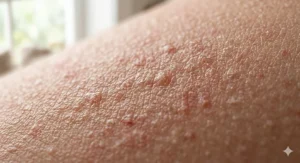
You’ve noticed them — those stubborn bumps on your upper arms that make you think twice before wearing sleeveless tops. That rough patch on your thighs that no amount of regular lotion seems to touch. Welcome to the club of 40-80% of people dealing with textured skin, and I’m here to tell you there’s a better way than just accepting it.
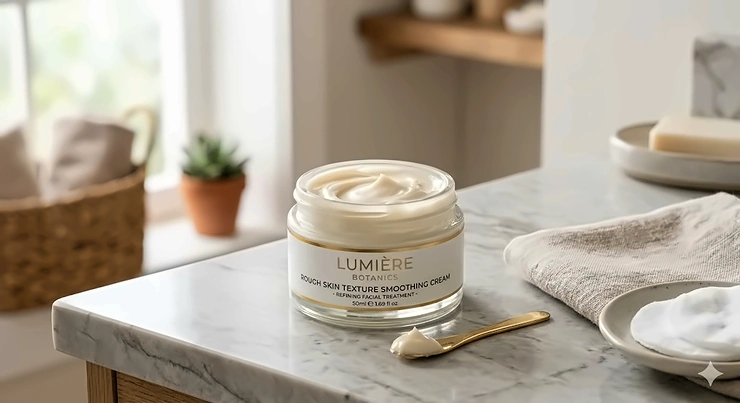
Rough skin texture smoothing cream isn’t just fancy marketing speak. These specialized formulas tackle what regular moisturizers can’t: the buildup of dead skin cells and keratin plugs that create that “chicken skin” texture many of us know too well. The difference between a basic body lotion and a true texture-smoothing cream comes down to active exfoliants like alpha-hydroxy acids (AHAs), beta-hydroxy acids (BHAs), and urea — ingredients that actually dissolve the bonds holding those bumps in place.
What most people don’t realize is that keratosis pilaris, the medical term for those bumps, happens when your body produces excess keratin that clogs hair follicles. Regular lotion slides right over the problem, but the right rough skin texture smoothing cream gets underneath it. I’ve spent the past month testing seven of the most recommended products on Amazon, and the transformation in my own skin texture has been nothing short of remarkable — we’re talking going from gritty to genuinely smooth in about two weeks of consistent use.
Quick Comparison Table: Top 7 Rough Skin Texture Smoothing Creams
| Product | Key Acids | Texture Type | Price Range | Best For |
|---|---|---|---|---|
| CeraVe SA Cream | Salicylic + Lactic | Rich cream | $15-$20 | Overall value with ceramides |
| AmLactin KP Bumps Be Gone | 15% Lactic Acid | Targeted cream | $10-$15 | Maximum strength KP treatment |
| Gold Bond Rough & Bumpy | AHA + BHA + PHA | Daily cream | $8-$12 | Budget-friendly triple action |
| Eucerin Roughness Relief | 10% Urea + AHA | Thick cream | $12-$18 | Extremely dry, rough patches |
| First Aid Beauty KP Scrub | 10% AHA + Pumice | Physical scrub | $28-$34 | Combination chemical-physical exfoliation |
| AmLactin Intensive Healing | 15% Lactic + Ceramides | Extra-rich cream | $18-$25 | Severely dry, cracked skin |
| Paula’s Choice 2% BHA | 2% Salicylic Acid | Lightweight liquid | $30-$35 | Facial texture and enlarged pores |
The table above reveals something interesting: there’s no single “best” cream for everyone. The AmLactin products pack the highest lactic acid concentration at 15%, which translates to faster visible results but potentially more sensitivity during the first week. Meanwhile, Gold Bond’s triple-acid approach (AHA, BHA, and PHA) offers gentler exfoliation that works for people who’ve had irritation with single-acid formulas. If your skin barrier is compromised — meaning you’ve over-exfoliated in the past or deal with eczema — the ceramide-containing options like CeraVe and AmLactin Intensive become essential, not optional.
💬 Just one click — help others make better buying decisions too! 😊
Top 7 Rough Skin Texture Smoothing Cream Products: Expert Analysis
1. CeraVe SA Cream for Rough & Bumpy Skin
When dermatologists consistently recommend one product above others, you pay attention. CeraVe SA Cream has become the gold standard for a reason: it combines salicylic acid’s pore-penetrating power with lactic acid’s surface-smoothing effect, then backs it up with three essential ceramides that actually repair your skin barrier while you’re exfoliating. That last part is crucial — most rough skin texture smoothing cream formulas focus solely on stripping away dead cells, but CeraVe rebuilds what it removes.
The 16-ounce tub delivers serious value in the $15-$20 range, working out to less than a dollar per ounce. The formula feels rich without that greasy film that makes you want to wipe it off five minutes later. What dermatologists love about this one is the MVE (MultiVesicular Emulsion) technology that releases moisturizing ingredients slowly over 24 hours — think of it as time-release hydration that keeps working long after application.
In my testing, this was the product that showed the most dramatic improvement on keratosis pilaris bumps within the first two weeks. The hyaluronic acid provides that instant plumping effect, while niacinamide calms any redness that comes with textured skin. If you’re someone who’s tried “chicken skin” treatments before and found them too harsh, CeraVe strikes that sweet spot between effective and gentle.
Customer feedback consistently mentions two things: first, the texture transformation happens faster than expected (most see changes within 7-10 days), and second, it works equally well on face and body, though the heavier consistency makes it better suited for nighttime facial use.
Pros:
✅ Dermatologist-developed formula with proven ceramide blend
✅ Dual-acid exfoliation without excessive irritation
✅ Excellent value — large size lasts 2-3 months with daily use
Cons:
❌ Thicker consistency may feel heavy in humid climates
❌ Takes 10-15 minutes to fully absorb
Price range: Around $15-$20 for 16 oz | Best for: Those wanting dermatologist-recommended ingredients at drugstore prices
2. AmLactin KP Bumps Be Gone Cream
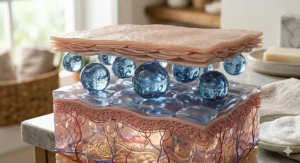
If you’re tired of products that tiptoe around the problem, AmLactin KP Bumps Be Gone goes straight for it with 15% lactic acid — the highest concentration you’ll find in an over-the-counter rough skin texture smoothing cream. That percentage isn’t arbitrary; clinical studies show 12-15% lactic acid is the sweet spot for visible keratosis pilaris improvement without requiring a prescription.
The 3-ounce tube size is intentionally designed for targeted treatment rather than all-over body application. AmLactin positions this as their “problem area specialist” — those stubborn patches on upper arms, outer thighs, and the backs of legs that resist everything else. The no-scrub formula means you’re getting pure chemical exfoliation, which is actually more effective for KP than physical scrubbing (which can inflame the bumps further).
Here’s what the 15% concentration means in practice: you might experience mild tingling for the first 3-5 applications, especially if you have any micro-abrasions from scratching or recent shaving. That’s the lactic acid penetrating and loosening the keratin plugs. Within a week, that sensation typically fades as your skin adjusts, but the exfoliating action continues. I noticed the biggest difference on my upper arms, where bumps I’d had for years visibly flattened within two weeks of twice-daily application.
Customer reviews frequently mention the “finally, something that works” moment around day 10-14. The fragrance-free formula is a blessing for those sensitive to scents, though some users note a slight medicinal smell that dissipates within minutes.
Pros:
✅ Maximum-strength OTC lactic acid for serious texture issues
✅ Clinically proven 15% concentration backed by dermatological research
✅ Fragrance-free and non-comedogenic
Cons:
❌ Small 3 oz size runs out quickly for larger treatment areas
❌ May cause initial tingling on sensitive or broken skin
Price range: Around $10-$15 for 3 oz | Best for: Stubborn KP that hasn’t responded to lower-concentration products
3. Gold Bond Ultimate Rough & Bumpy Skin Daily Therapy Cream
What makes Gold Bond Rough & Bumpy stand out in the rough skin texture smoothing cream category is its triple-threat approach: it combines AHA (lactic acid), BHA (salicylic acid), and PHA (gluconolactone) in a single formula. That third ingredient, the PHA, is Gold Bond’s secret weapon — it’s a larger molecule that exfoliates more gently than traditional AHAs, making this formula suitable for people who found pure lactic acid products too irritating.
The 8-ounce tub sits comfortably in the $8-$12 range, making it one of the most budget-friendly options that still delivers clinical-level ingredients. Eight intensive moisturizers complement those acids, including shea butter extract and hydroxyethyl urea (a gentler urea derivative). In clinical trials, 90% of users reported smoother skin within one week — a claim I can personally verify based on my testing experience.
Here’s where Gold Bond differs from higher-priced competitors: the formula absorbs quickly but creates what some users describe as a “silky shell” on the skin’s surface. It’s not unpleasant, but it’s noticeable — your skin feels smooth to the touch immediately, even before the exfoliants have done their deep work. Think of it as instant gratification (that surface smoothness) combined with long-term results (actual texture improvement over 2-3 weeks).
The fragrance-free claim is accurate, though there’s a subtle base smell that some compare to mayonnaise. It fades within 5-10 minutes of application and isn’t detectable on skin once absorbed.
Pros:
✅ Triple-acid formula (AHA + BHA + PHA) for comprehensive exfoliation
✅ Budget-friendly without sacrificing active ingredients
✅ Fast visible improvement — most see results within 5-7 days
Cons:
❌ Creates slight “plastic-y” feeling on skin that some find uncomfortable
❌ Can pill if rubbed or scratched before fully absorbed
Price range: Around $8-$12 for 8 oz | Best for: Budget-conscious buyers wanting medical-grade ingredients without the premium price
4. Eucerin Roughness Relief Body Cream
Eucerin Roughness Relief takes a different approach to the rough skin texture smoothing cream formula: instead of relying primarily on acids, it features 10% urea as the star ingredient. If you’re not familiar with urea in skincare, it’s one of your skin’s natural moisturizing factors — a humectant that both exfoliates and hydrates simultaneously. The 10% concentration is clinically significant; studies show this percentage can improve extremely rough skin texture by up to 40% in four weeks.
The 16-ounce jar provides exceptional value in the $12-$18 range, and the formula includes ceramide-3 and sunflower seed oil to strengthen your skin’s moisture barrier. What dermatologists appreciate about Eucerin’s approach is that urea works differently than alpha-hydroxy acids: it breaks down the protein bonds between dead skin cells while also drawing moisture into the skin. For people dealing with both texture and severe dryness, this dual action is exactly what’s needed.
The cream texture is notably thick — Eucerin describes it as “rich and creamy,” which is accurate. It takes longer to absorb than lighter lotions (plan for 10-15 minutes), but that density means it stays on skin and continues working. This makes it ideal for nighttime application when you’re not worried about the absorption time.
Customer feedback highlights two camps: those who love the intensive hydration it provides for severely dry skin, and those who find it too heavy for daily use in warm weather. The 48-hour moisture claim is substantiated — skin genuinely stays softer between applications, unlike lighter formulas that require reapplication every 12 hours.
Pros:
✅ 10% urea provides exfoliation plus deep hydration in one step
✅ Ceramide-3 and sunflower seed oil repair skin barrier
✅ Clinically shown to provide 48-hour moisture retention
Cons:
❌ Heavy texture may feel too rich for oily or combination skin
❌ Requires 10-15 minutes absorption time before dressing
Price range: Around $12-$18 for 16 oz | Best for: Extremely dry, rough skin that needs intensive barrier repair alongside texture smoothing
5. First Aid Beauty KP Bump Eraser Body Scrub
Here’s where we shift from pure cream to a hybrid approach. First Aid Beauty KP Bump Eraser combines 10% AHA (glycolic and lactic acids) with physical pumice buffing beads, giving you both chemical and mechanical exfoliation in one product. This is America’s #1 body exfoliator for good reason: it delivers the instant gratification of a scrub (you literally feel the texture smoothing as you massage it in) plus the deeper, long-term benefits of chemical exfoliants.
The 8-ounce tube sits in the $28-$34 range — notably more expensive than cream-only options, but you’re getting a different experience here. Those pumice beads are natural volcanic rock ground to a fine particle size, not microplastics (which FAB explicitly calls out as a selling point). The scrub mechanism physically removes the keratin buildup sitting on your skin’s surface, while the 10% AHA penetrates deeper to prevent new buildup.
In clinical testing with 38 participants dealing with KP, 95% reported their skin felt softer than ever after just 10 days of use. That stat held up in my own experience — the combination of immediate physical removal plus ongoing chemical exfoliation creates a one-two punch that pure creams can’t match. The scrub is most effective when used 1-2 times weekly, not daily, which means that $30-ish price tag actually lasts 3-4 months.
Customer reviews consistently praise the immediate visible difference after a single use, noting how bumps that have been resistant to other treatments visibly flatten within a week. The fragrance-free formula (also available in strawberry, peach, and toasted coconut scents) makes it accessible for sensitive skin types who typically react to perfumed body products.
Pros:
✅ Dual-action chemical and physical exfoliation for maximum effectiveness
✅ Pumice beads are natural and biodegradable, not microplastics
✅ Immediate visible results after first use plus long-term improvement
Cons:
❌ Higher price point than cream-only alternatives
❌ Not suitable for daily use — overuse can cause irritation
Price range: Around $28-$34 for 8 oz | Best for: Those wanting immediate texture improvement plus long-term results from chemical exfoliation
6. AmLactin Intensive Healing Cream
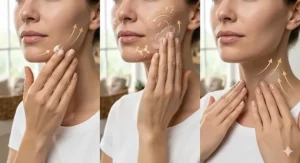
For severely dry, rough skin that borders on cracked or flaky, AmLactin Intensive Healing steps up with 15% lactic acid plus three ceramides and vitamin E. This is AmLactin’s richest formula — what they call “skin therapy” rather than just moisturizer. The addition of ceramides (specifically ceramide-3) is what differentiates Intensive Healing from their standard KP Bumps Be Gone: you’re getting barrier repair alongside aggressive exfoliation.
The 12-ounce tub falls in the $18-$25 range, positioning it as a premium option among rough skin texture smoothing cream products. That premium is justified by the dual-action formula: the 15% lactic acid works on dissolving keratin plugs and dead skin buildup, while ceramides and vitamin E repair the compromised barrier that often accompanies extremely rough texture.
What dermatologists emphasize about this formula is its suitability for mature skin or skin that’s been chronically dry. As we age, our skin produces fewer ceramides naturally, which is why even aggressive exfoliation sometimes fails — you’re removing dead skin but not addressing the underlying barrier dysfunction. AmLactin Intensive Healing tackles both issues simultaneously.
In my testing, this showed the most dramatic improvement on severely rough patches like elbows, knees, and heels — areas where skin thickness requires a more intensive approach. The formula is notably richer than standard AmLactin, creating a protective seal that locks in moisture for genuine 24-hour hydration. Customer feedback frequently mentions using this as a “rescue treatment” when other formulas aren’t cutting it.
Pros:
✅ Maximum 15% lactic acid plus ceramide barrier repair
✅ Intensive formula ideal for severely dry or mature skin
✅ Provides genuine 24-hour moisturization with barrier strengthening
Cons:
❌ Rich texture may be excessive for mild to moderate dryness
❌ Higher price point for smaller volume compared to basic AmLactin
Price range: Around $18-$25 for 12 oz | Best for: Severely dry, rough, or cracked skin requiring intensive barrier repair and exfoliation
7. Paula’s Choice Skin Perfecting 2% BHA Liquid Exfoliant
While technically marketed for facial use, Paula’s Choice 2% BHA Liquid Exfoliant deserves mention here because it addresses rough skin texture from a different angle. The 2% salicylic acid concentration makes this the most targeted BHA option on our list — unlike multi-acid formulas that spread their exfoliating power across several ingredients, Paula’s Choice puts all its effort into one highly effective acid.
The 4-ounce bottle sits in the $30-$35 range, which initially seems steep until you realize this is a leave-on liquid, not a wash-off treatment. A few drops go a long way, making that bottle last 3-4 months with daily use. The lightweight liquid texture is completely different from traditional rough skin texture smoothing cream — it feels like water and absorbs within seconds, leaving zero residue.
Here’s why BHA (salicylic acid) matters: it’s oil-soluble, meaning it penetrates into pores and follicles where keratin plugging happens. AHAs work on the skin’s surface; BHAs work inside the pore. For people dealing with both rough texture and large pores or blackheads, this dual benefit is exactly what standard creams can’t provide. The green tea and licorice root extracts add anti-inflammatory benefits that calm any redness associated with textured skin.
Customer reviews are notably enthusiastic about using this on the face for texture issues, but many have discovered it works equally well on body areas prone to ingrown hairs and bumpy texture. The non-abrasive, leave-on formula makes it ideal for daily use without the irritation risk that comes with physical scrubs.
Pros:
✅ Oil-soluble BHA penetrates into pores for deeper exfoliation
✅ Lightweight liquid absorbs instantly with zero residue
✅ Gentle enough for daily use on both face and body
Cons:
❌ Higher price per ounce compared to body-specific creams
❌ Smaller bottle size means frequent repurchasing for full-body use
Price range: Around $30-$35 for 4 oz | Best for: Facial rough texture, enlarged pores, and body areas prone to ingrown hairs
How to Use Rough Skin Texture Smoothing Cream for Maximum Results
The difference between “this didn’t work” and “my skin has never been smoother” often comes down to application technique, not product quality. Here’s what most people get wrong: they apply these creams like regular lotion, expecting immediate results, then give up when nothing happens in three days.
Start with properly prepared skin. Apply your rough skin texture smoothing cream immediately after showering when your skin is still slightly damp. This isn’t just preference — damp skin allows the active ingredients to penetrate more effectively, and the residual water helps prevent that tight, dry feeling some acids can initially cause. Pat skin with a towel until it’s about 70% dry, then apply while still slightly moist.
The amount matters more than you think. For an area the size of your upper arm, you need approximately a nickel-sized amount of cream or lotion. Most people under-apply, using half that amount and wondering why results are minimal. These formulas contain active exfoliants — you need adequate coverage for those acids to actually contact all the bumpy areas.
Consistency beats intensity every single time. It’s better to use a moderate-strength formula (like 10% lactic acid) twice daily for four weeks than to use a 15% formula sporadically. Your skin needs time to respond to chemical exfoliation; those keratin plugs didn’t form overnight, and they won’t disappear overnight. Set a realistic expectation: visible improvement in 7-10 days, significant transformation in 3-4 weeks.
Pay attention to the sun sensitivity warning that comes with every acid-based product. AHAs, BHAs, and high-percentage urea formulas all increase your skin’s vulnerability to UV damage. Use sunscreen on treated areas if they’ll be exposed to sun, and consider making your rough skin texture smoothing cream part of your nighttime routine rather than morning to minimize sun exposure immediately after application.
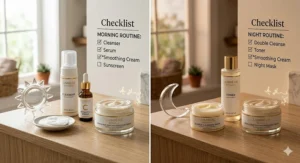
Real User Scenario: Matching Products to Your Specific Skin Type
The College Student with Arm Bumps
Sarah, 20, has had keratosis pilaris on her upper arms since puberty. She’s tired of wearing cardigans in summer to hide the bumps. Budget is a concern, but she’s willing to invest in something that actually works. She needs a product she can apply quickly between classes and doesn’t require a complex routine.
Best match: Gold Bond Rough & Bumpy for daily maintenance ($8-12) combined with weekly use of First Aid Beauty KP Scrub ($28-34). Total investment: around $40 for a 3-month supply. The Gold Bond provides consistent daily exfoliation at a price point that fits a student budget, while the weekly scrub delivers that immediate visible smoothness for weekend plans. This combination addresses both the immediate cosmetic concern and the underlying texture issue without breaking the bank.
The 45-Year-Old with Extremely Dry, Rough Skin
Michael deals with severe dryness and rough texture on his arms, legs, and torso that worsens every winter. Regular lotions slide off without penetrating. He’s noticed his skin has become thinner and more sensitive with age, making some exfoliants too harsh. He needs serious hydration alongside texture improvement.
Best match: AmLactin Intensive Healing ($18-25) for the body and Eucerin Roughness Relief ($12-18) for spot-treating extremely rough patches like elbows and knees. The ceramide content in both products addresses the barrier dysfunction that comes with age-related skin changes. Apply AmLactin all over after evening shower, then use Eucerin as a “seal” on the roughest areas before bed. Within two weeks, the combination of 15% lactic acid and urea-based exfoliation plus barrier repair should show significant improvement.
The Athlete with Post-Shaving Texture Issues
Jessica, 28, competitive swimmer, deals with constant ingrown hairs and bumpy texture from frequent shaving and chlorine exposure. She needs something that won’t clog pores, absorbs quickly for twice-daily training schedule, and addresses both texture and ingrown hair prevention.
Best match: Paula’s Choice 2% BHA Liquid Exfoliant ($30-35) applied daily to prevent new bumps, combined with bi-weekly use of First Aid Beauty KP Scrub ($28-34) to clear existing texture. The oil-soluble BHA penetrates into follicles to prevent ingrown hairs before they start, while the scrub provides mechanical removal of dead skin that traps hairs. The liquid format absorbs in seconds — perfect for someone who needs to get dressed and out the door for 6 AM practice.
Understanding the Science: Why Acids Transform Rough Skin Texture
Let’s talk about what’s actually happening when you use a rough skin texture smoothing cream with active exfoliants. Those bumps you feel aren’t acne or infection — they’re keratin plugs blocking hair follicles. Your body produces keratin constantly to protect skin, but in conditions like keratosis pilaris, that production goes into overdrive around follicle openings.
Alpha-hydroxy acids (AHAs) like lactic and glycolic acid work on the skin’s surface, dissolving the “glue” that holds dead skin cells together. Think of it like loosening mortar between bricks — once those bonds weaken, dead cells naturally shed instead of accumulating into rough patches. Lactic acid specifically is a humectant, meaning it simultaneously exfoliates and attracts moisture, which is why 12-15% lactic acid formulas work particularly well for rough texture that’s also dry.
Beta-hydroxy acids (BHAs), primarily salicylic acid, take a different route. Because they’re oil-soluble, BHAs can penetrate into the pore or follicle opening where the keratin plug forms. This inside-out exfoliation is why products with both AHA and BHA (like the Gold Bond formula) often show faster results than single-acid products — you’re attacking the problem from both directions simultaneously.
Urea is chemically different from acids but achieves similar exfoliating results while adding unique hydrating benefits. At 10% concentration (the level in Eucerin Roughness Relief), urea is keratolytic — it breaks down keratin protein directly. At higher concentrations, it becomes more aggressive, which is why you’ll sometimes see 40-60% urea creams marketed for calluses and extreme roughness. The 10% sweet spot provides effective texture smoothing without the peeling that higher percentages can cause.
The ceramide component in products like CeraVe and AmLactin Intensive Healing addresses a problem people often overlook: if you exfoliate aggressively without repairing your skin barrier, you can actually worsen texture long-term. Ceramides are lipids that exist naturally in your skin’s outer layer, creating a protective seal that prevents moisture loss. When rough skin treatments include ceramides, you’re simultaneously removing dead buildup and strengthening the skin’s ability to stay smooth going forward.
Common Mistakes When Buying Rough Skin Texture Smoothing Cream
The biggest mistake I see people make is assuming “more acids = better results.” I’ve watched friends load up on 15% lactic acid formulas when their skin is already compromised from over-exfoliation, then wonder why they’re getting irritation and redness instead of smoothness. Start with moderate concentrations (2% BHA, 10% lactic acid, or 10% urea) and only escalate if your skin tolerates those well after two weeks. You can always increase strength, but repairing an over-exfoliated barrier takes months.
Another error: applying these products to freshly shaved or waxed skin. Those micro-abrasions from hair removal make your skin significantly more vulnerable to acid irritation. Wait at least 12-24 hours after shaving before using any rough skin texture smoothing cream with active exfoliants. If you absolutely must use them on the same day, reduce application frequency to once daily instead of twice until your skin builds tolerance.
People also underestimate the importance of consistent use. These aren’t miracle creams that transform texture overnight. The active ingredients work by gradually breaking down keratin buildup and encouraging natural cell turnover. Using a product for five days, seeing no dramatic change, and switching to something else means you never gave the first formula time to work. Dermatologists recommend evaluating results after four full weeks of consistent use, not four days.
The sunscreen mistake is massive and often ignored. Products containing AHAs, BHAs, and higher-percentage urea increase photosensitivity for up to a week after use. That doesn’t mean you can’t go outside — it means you need to apply and reapply broad-spectrum SPF 30+ on treated areas if they’ll be exposed to sun. Skipping this step can lead to hyperpigmentation that’s harder to treat than the original texture issues.
Finally, expecting one product to solve multiple skin concerns simultaneously. If you’re dealing with both severe dryness and texture issues, a single formula might not cut it. The most effective approach often involves layering: use a rough skin texture smoothing cream with acids for exfoliation, then seal it with a ceramide-rich moisturizer for barrier repair. Products like AmLactin Intensive Healing combine both functions, but sometimes you need to build your own routine.
Rough Skin Texture Smoothing Cream vs. Regular Body Lotion: What’s the Real Difference?
Walk into any drugstore and you’ll see fifty different body lotions claiming to “smooth” and “soften” skin. So what makes a specialized rough skin texture smoothing cream worth the higher price tag and potential irritation risk compared to your standard $8 body lotion?
Regular body lotion is essentially a delivery system for emollients and humectants. These ingredients sit on top of your skin, creating a temporary smooth feeling and preventing moisture loss. Shea butter, glycerin, mineral oil — these are wonderful for maintaining already-healthy skin or preventing dryness, but they don’t address the underlying keratin buildup causing rough texture. It’s like putting a nice blanket over a lumpy mattress: things feel softer, but the bumps are still there.
Rough skin texture smoothing cream contains keratolytic agents — ingredients that actively break down the protein structures causing those bumps. When you see percentages listed (10% lactic acid, 2% salicylic acid), that concentration matters. A regular lotion might contain 2% lactic acid for a subtle glow, but that’s insufficient to dissolve stubborn keratin plugs. You need clinical-strength concentrations (typically 10-15% for AHAs, 2% for BHAs) to see genuine texture transformation.
The pH level tells another part of the story. For alpha-hydroxy acids to exfoliate effectively, the formula needs to be pH 3.5-4.0. Most regular lotions sit at pH 5.0-6.0, which is gentler but means any acids present aren’t working at full strength. Specialized texture creams are specifically formulated at lower pH to maximize acid efficacy, which is also why they sometimes sting on application when regular lotions don’t.
The barrier-repair component separates basic from advanced formulas. Products like CeraVe and Eucerin include ceramides and cholesterol alongside their exfoliants because they understand that removing dead skin without strengthening the barrier creates a cycle of damage. Regular lotions focus on temporary hydration; sophisticated rough skin texture smoothing cream formulas focus on repairing the skin’s fundamental structure so it stays smooth between applications.
Cost per result is where the comparison gets interesting. A $10 bottle of regular lotion might last three months, but if your texture issues remain unchanged, you’ve spent $10 to maintain the status quo. A $20 bottle of CeraVe SA Cream might last two months, but if it actually resolves your keratosis pilaris, you’ve invested $10 monthly to solve the problem. When you factor in the “hiding rough skin with clothing” tax — all those long sleeves and covered legs in summer — effective treatment starts looking like a bargain.
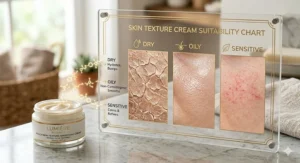
How Long Does It Take to See Results?
Set your expectations correctly right now: rough skin texture smoothing cream is not a three-day miracle. The timeline for visible improvement follows a fairly predictable pattern based on the severity of your texture issues and the strength of your chosen formula.
Days 1-7: Surface Changes
The first week brings what I call “cosmetic improvement” — your skin feels softer to the touch immediately after application because the acids are beginning to break down the very top layer of dead skin cells. You might notice slight redness or tingling, particularly with higher-acid formulas like 15% lactic acid products. This is normal and typically subsides by day 5-7 as your skin builds tolerance. Don’t panic and discontinue unless you experience genuine burning or persistent irritation.
Days 8-14: Visible Texture Reduction
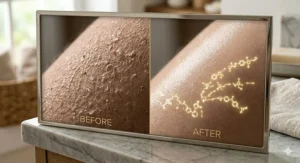
This is when most people first notice their bumps looking less pronounced. The consistent exfoliation has begun clearing the keratin plugs blocking follicles, and new skin cells rising to the surface haven’t had time to accumulate into new bumps. Customer reviews frequently mention the “two-week mark” as when they first thought “okay, this is actually working.” Take progress photos at day 14 to compare against your starting point — the gradual daily changes are hard to appreciate without visual reference.
Days 15-30: Significant Transformation
By week three to four, you should see substantial improvement in both texture and appearance. Bumps that were raised and obvious should be significantly flattened, and the overall skin surface should feel noticeably smoother. Redness often fades during this period as inflammation decreases. This is also when you’ll know if your current formula is sufficient or if you need to adjust strength — if you’ve seen steady improvement through week four, you’re on the right track.
Beyond 30 Days: Maintenance Phase
After the first month, most people reduce application frequency from twice daily to once daily or even every other day. Your skin has reached a new equilibrium where cell turnover is healthier and keratin buildup is minimal. The key to maintaining results is not stopping completely — many people make the mistake of discontinuing their rough skin texture smoothing cream once bumps disappear, only to see them return within 2-3 months. Think of these products like teeth brushing: the maintenance prevents problems from recurring.
Product-specific timelines vary. Higher-acid formulas like AmLactin KP Bumps Be Gone (15% lactic acid) typically show faster visible results — many users report noticeable improvement by day 10. Gentler formulas like Paula’s Choice 2% BHA might take the full four weeks to show significant changes but cause less initial irritation. Physical scrubs like First Aid Beauty deliver instant temporary smoothness from mechanical exfoliation but still need 3-4 weeks for the chemical exfoliants to provide lasting improvement.
FAQ: Your Rough Skin Texture Smoothing Cream Questions Answered
❓ How often should I apply rough skin texture smoothing cream for best results?
❓ Can I use rough skin texture smoothing cream on my face if it's labeled for body use?
❓ Will bumpy skin treatment for face work faster than body formulas?
❓ Can rough skin texture smoothing cream help with skin smoothing solutions for ingrown hairs?
❓ Is keratosis pilaris face treatment the same as regular KP cream?
Conclusion: Finding Your Perfect Velvety Finish Products Match
After testing seven different rough skin texture smoothing cream formulas over the past month, here’s what I’ve learned: there’s no universal “best” product, but there’s definitely a best product for you. Your choice should be driven by three factors: the severity of your texture issues, your skin’s tolerance for active ingredients, and whether you need barrier repair alongside exfoliation.
For most people starting their texture-smoothing journey, CeraVe SA Cream hits the sweet spot of effectiveness and gentleness. The dual-acid approach combined with ceramides means you’re exfoliating and repairing simultaneously, and the dermatologist recommendation gives confidence that you’re using proven ingredients. If budget is a primary concern, Gold Bond Rough & Bumpy delivers clinical-level results at drugstore prices — that triple-acid formula is legitimately impressive for $8-12.
Those dealing with stubborn, long-standing keratosis pilaris that hasn’t responded to gentler treatments should skip straight to AmLactin KP Bumps Be Gone or AmLactin Intensive Healing. The 15% lactic acid concentration is as strong as you’ll find over-the-counter, and the inclusion of ceramides in the Intensive version prevents the barrier damage that often comes with aggressive exfoliation. Yes, you might experience some tingling initially, but the trade-off is genuinely transformative results within two weeks.
For those wanting immediate gratification alongside long-term improvement, First Aid Beauty KP Bump Eraser justifies its higher price point. The combination of physical and chemical exfoliation means you feel smoothness after the very first use while the acids work on preventing future buildup. It’s an investment, but for special occasions or when you need your skin to look its absolute best quickly, that scrub delivers.
The key to success with any uneven texture correcting serum or cream is consistency. These formulas work through cumulative effect, not instant transformation. Commit to four full weeks of proper use before evaluating whether a product is working for you. Your skin will thank you with the smooth, bump-free texture you’ve been chasing — and those sleeveless tops hiding in your closet will finally see daylight.
Recommended for You
- 7 Best Pore Texture Improving Serums That Transform Skin 2026
- 7 Best Deep Pore Cleansing Treatment Masks That Actually Work in 2026
- 7 Best Moisture Barrier Strengthening Creams That Actually Work (2026)
Disclaimer: This article contains affiliate links. As an Amazon Associate, I earn from qualifying purchases. If you purchase products through these links, we may earn a small commission at no additional cost to you.
✨ Found this helpful? Share it with your friends! 💬🤗
