
In This Article
The skincare industry shifts trends faster than most of us change moisturizers, but copper peptide cream benefits have remained consistently relevant since scientists first isolated GHK-Cu from human plasma in 1973. What separates this ingredient from fleeting fads is its foundation in legitimate biological processes—your body already produces these molecules naturally, and they decline as you age from around 200 ng/ml at age 20 to just 80 ng/ml by 60.
The real question isn’t whether copper peptides work—decades of research confirm they stimulate collagen production, accelerate wound healing, and improve skin elasticity—but rather which formulations actually deliver meaningful results without the marketing hype. After analyzing dozens of products and cross-referencing clinical studies with real-world customer experiences, I’ve identified the formulations that bridge the gap between laboratory potential and bathroom-counter reality. What you’ll find in this guide isn’t just a list of products with copper peptides slapped on the label; these are formulations where the peptide concentration, supporting ingredients, and delivery mechanisms actually make a difference you can see in the mirror within 8-12 weeks.
Quick Comparison: Top Copper Peptide Creams at a Glance
| Product | GHK-Cu Concentration | Key Supporting Ingredients | Price Range | Best For |
|---|---|---|---|---|
| TOSOWOONG Copper Peptide 12 Cream | 99% purity GHK-Cu | 12 multi-peptides, 8 collagen complex | $25-$35 | Maximum peptide diversity |
| Neurogan GHK-Cu Face Cream | 2400mg (4%) | Hyaluronic acid, vitamin E | $35-$50 | High potency users |
| QUBIT GHK-Cu Cream | 2400mg (4%) | Ceramides, squalane | $30-$45 | Deep hydration focus |
| The Ordinary Multi-Peptide + Copper Peptides 1% | 1% GHK-Cu | Matrixyl 3000, Argireline, HA | $20-$30 | Budget-conscious beginners |
| DNA CODE Magic Firming Cream | Copper peptide complex | Argireline, SNAP-8, Matrixyl 3000 | $35-$50 | Professional-grade results |
| BLUPROTIN Copper Peptide Cream | GHK-Cu with propylene glycol | Hyaluronic acid, collagen boosters | $20-$30 | Sensitive skin types |
| Copper Peptide with Shea Butter | GHK-Cu formula | Shea butter, coconut oil, sodium hyaluronate | $25-$35 | Dry/mature skin |
Looking at these options side by side, the concentration sweet spot for visible results sits between 1-4% GHK-Cu—anything lower struggles to penetrate effectively, while higher concentrations don’t necessarily improve outcomes and can irritate sensitive skin. The Neurogan and QUBIT formulations deliver the highest peptide payload at 2400mg per container, but TOSOWOONG’s multi-peptide approach offers broader anti-aging coverage if your concerns extend beyond just collagen support. Budget buyers should note The Ordinary provides legitimate peptide technology at half the price of premium options, though you’re trading concentrated potency for accessible entry into copper peptide skincare.
💬 Just one click — help others make better buying decisions too! 😊
Top 7 Copper Peptide Creams: Expert Analysis & Real Results
1. TOSOWOONG Copper Peptide 12 Cream
The distinctive blue hue of this Korean formulation isn’t food coloring—it’s the visual signature of high-concentration copper peptides, and TOSOWOONG leverages that 99% purity GHK-Cu alongside 11 additional peptide technologies. The 12-peptide complex includes signal peptides that activate fibroblasts, carrier peptides for ingredient delivery, and neurotransmitter-inhibiting peptides that work similarly to topical Botox alternatives. Paired with an 8-collagen complex suspended in 30% collagen water, this cream approaches skin aging from multiple biochemical pathways simultaneously rather than relying solely on copper peptides to do all the work.
What most buyers overlook about this formulation is the inclusion of KFDA-approved adenosine—a South Korean regulatory stamp that requires clinical proof of wrinkle improvement before approval. This isn’t marketing fluff; it means independent testing verified the formula’s efficacy before it could legally include adenosine on the label. The 50ml jar typically lasts 6-8 weeks with twice-daily application to face and neck, making the cost-per-use calculation more favorable than the initial price suggests. Customer feedback consistently mentions the cream’s substantial texture—it’s not a lightweight gel, so those with oily skin may prefer using it only at night, while dry skin types appreciate the rich moisture barrier it creates.
Pros:
✅ 99% purity GHK-Cu with 11 additional peptide technologies
✅ KFDA adenosine approval confirms clinical efficacy
✅ 8-collagen complex targets multiple aging pathways simultaneously
Cons:
❌ Rich texture may feel heavy on oily/combination skin during daytime
❌ Blue tint can temporarily stain lighter fabrics if not fully absorbed
Around $25-$35 range—exceptional value given the peptide diversity and collagen complex concentration.
2. Neurogan GHK-Cu Copper Peptide Face Cream
Neurogan reformulated this product from their original 2400mcg white cream to a 2400mg blue formulation—that’s not a typo, they increased the concentration from micrograms to milligrams, representing roughly a 1000x boost in peptide payload. This puts the GHK-Cu concentration at 4%, which sits at the upper end of what topical formulations can effectively deliver without causing irritation in most skin types. The family-owned company manufactures in GMP-certified facilities and includes third-party lab testing results, addressing the transparency concerns that plague many peptide products where the actual active ingredient concentration bears little resemblance to marketing claims.
In my assessment, what separates this from budget options is the peptide form stability—cheaper copper peptide products often use unstable complexes that degrade rapidly once the jar is opened, essentially turning into expensive moisturizer within 4-6 weeks. Neurogan’s formulation uses bioavailable copper tripeptide-1 at 22-33% concentration (per ingredient analysis), ensuring the peptides remain active throughout the product’s shelf life. The 2oz jar provides about 8-10 weeks of coverage for face and neck application, though users targeting additional areas like décolletage or hands will exhaust it faster. Customer reviews frequently mention improved skin firmness within 6 weeks, which aligns with the collagen synthesis timeline observed in clinical studies—copper peptides don’t work overnight, but the wait tends to deliver visible payoff.
Pros:
✅ 2400mg concentration represents serious peptide potency
✅ Third-party tested in GMP-certified facilities for quality assurance
✅ Bioavailable copper tripeptide-1 form resists degradation
Cons:
❌ Premium pricing reflects the high peptide concentration
❌ 2oz container may last only 8-10 weeks with full face/neck coverage
In the $35-$50 range depending on sales—justified for those prioritizing maximum peptide concentration over budget considerations.
3. QUBIT GHK-Cu Copper Peptide Face Cream
QUBIT’s formulation matches Neurogan’s 2400mg GHK-Cu concentration but distinguishes itself through its supporting cast of ceramides and squalane, creating what I’d call a “moisture-barrier-first” approach to copper peptide delivery. The ceramide complex helps repair the lipid barrier that typically degrades with age and environmental damage, while squalane—a plant-derived emollient—prevents transepidermal water loss that can undermine the peptides’ collagen-building efforts. Think of it this way: copper peptides stimulate your fibroblasts to build new collagen, but if your skin barrier is compromised, you’re essentially constructing a house during a rainstorm.
The 30g container is notably smaller than Neurogan’s 2oz (approximately 60g), which means you’re getting comparable peptide concentration but half the total product volume—a detail that shifts the value proposition considerably. For users with severely dehydrated or barrier-damaged skin, particularly those who’ve overused retinoids or acids, this formulation’s barrier-repair focus may justify the higher cost-per-gram. Customer feedback reveals this cream absorbs faster than most high-concentration peptide formulations, leaving minimal residue—a characteristic I attribute to the squalane’s biomimetic properties that allow it to integrate seamlessly with your skin’s natural sebum.
Pros:
✅ Ceramide complex actively repairs compromised moisture barriers
✅ Squalane prevents water loss that can undermine peptide effectiveness
✅ Faster absorption than typical high-concentration peptide creams
Cons:
❌ 30g container provides half the volume of comparable products
❌ Price-per-gram calculation less favorable for budget-conscious users
Around $30-$45 range—best value for those specifically addressing barrier damage alongside aging concerns.
4. The Ordinary Multi-Peptide + Copper Peptides 1%
The Ordinary’s approach to copper peptides exemplifies their brand philosophy: clinically-relevant concentrations at accessible prices, packaged without the luxury markup. The 1% GHK-Cu concentration sits at the threshold of efficacy demonstrated in peer-reviewed studies—research shows benefits beginning around 0.5-1% and plateauing around 4-5%, so this formulation occupies the entry point where results become consistently measurable. What elevates this beyond a basic copper peptide serum is the inclusion of Matrixyl 3000 (palmitoyl tetrapeptide-7 and palmitoyl tripeptide-1), Argireline (acetyl hexapeptide-8), and SYN-AKE peptides that complement the GHK-Cu’s collagen-building effects with muscle-relaxing and additional matrix-remodeling properties.
The 1 fl oz bottle typically lasts 10-12 weeks with conservative twice-daily application—The Ordinary’s dropper design encourages using fewer drops than most pump bottles dispense automatically, stretching the product further than you’d expect. In my analysis, this represents the smartest entry point for copper peptide newcomers who want to assess their skin’s response before committing to higher-concentration formulations. The brand explicitly warns against using this with direct acids, retinoids, or strong antioxidants like pure vitamin C, which some users overlook—combining these can destabilize the peptides or create irritation that has nothing to do with the copper peptides themselves but gets blamed on them anyway.
Pros:
✅ Clinically-relevant 1% GHK-Cu at fraction of premium pricing
✅ Multi-peptide complex addresses aging through multiple pathways
✅ 10-12 week supply with proper dropper technique
Cons:
❌ Lower concentration means slower visible results compared to 4% formulas
❌ Compatibility restrictions with acids/retinoids limit routine flexibility
In the $20-$30 range—unbeatable value for copper peptide beginners or those on strict budgets.
5. DNA CODE Magic Firming Cream
DNA CODE loads this formulation with a peptide cocktail that reads like a cosmetic chemist’s greatest hits: Argireline (acetyl hexapeptide-8), Matrixyl 3000, SNAP-8 (acetyl octapeptide-3), Pentapeptide-18 (Leuphasyl), SYN-AKE, copper peptide, Syn-Coll, and Syn-Tacks. That’s eight distinct peptide technologies before you count the supporting cast of DMAE, hyaluronic acid, and botanical oils. The comprehensive peptide profile means you’re targeting wrinkle formation from neurotransmitter inhibition (Argireline, SNAP-8, Leuphasyl), collagen synthesis (Matrixyl, copper peptide, Syn-Coll), and matrix assembly (Syn-Tacks) simultaneously—essentially a multi-pronged assault on aging skin rather than relying on copper peptides alone.
What professional aestheticians appreciate about this formulation is its 72% organic ingredient base, which reduces the likelihood of reactions in clients with sensitive skin or those using professional treatments like microneedling or laser resurfacing where post-procedure products need to be as non-irritating as possible. The cream’s consistency falls between a gel and traditional cream, absorbing within 2-3 minutes without the tacky residue that plagues many multi-peptide formulations. Customer feedback frequently mentions improvement in expression lines around eyes and mouth within 4-6 weeks, which aligns with Argireline’s mechanism of action—it doesn’t freeze muscles like Botox but does reduce contraction intensity, leading to gradual line softening with consistent use.
Pros:
✅ Eight peptide technologies create comprehensive anti-aging coverage
✅ 72% organic formulation reduces irritation risk during professional treatments
✅ Gel-cream hybrid absorbs quickly without tacky residue
Cons:
❌ Complex ingredient list may trigger reactions in highly sensitive individuals
❌ Higher price point reflects the professional-grade peptide concentration
Around $35-$50 range—worth the premium for those seeking professional-grade multi-peptide formulations at home.
6. BLUPROTIN Copper Peptide Face Cream
BLUPROTIN’s formulation stands out for its propylene glycol delivery system, which enhances copper peptide penetration through the stratum corneum—the outermost skin layer that typically blocks larger molecules from reaching the viable epidermis where copper peptides exert their effects. The GHK-Cu concentration pairs with hyaluronic acid that provides immediate plumping while the peptides work on longer-term collagen remodeling, creating both instant gratification and delayed payoff. The 50g jar provides generous volume compared to many copper peptide products that skimp on size while charging premium prices.
What users with reactive skin appreciate is the formulation’s minimal irritation profile—customer reviews consistently mention tolerance even among those who struggle with most active ingredients. I attribute this partly to the absence of common sensitizers like fragrance, dyes, and excessive preservatives that often cause issues blamed on the copper peptides themselves. The texture sits in the lightweight-cream category, absorbing within a minute or two and playing well under makeup, which makes it practical for morning routines where heavy creams create pilling or interfere with foundation application. The propylene glycol does mean this isn’t suitable for those avoiding glycols for personal preference reasons, though it’s worth noting propylene glycol itself rarely causes true allergic reactions despite its reputation.
Pros:
✅ Propylene glycol enhances copper peptide penetration through skin barrier
✅ Minimal sensitizer formulation tolerates well even on reactive skin
✅ 50g volume provides better cost-per-use than many competitors
Cons:
❌ Propylene glycol inclusion may concern those avoiding glycol-based products
❌ Lower peptide concentration compared to premium 4% formulations
Around $20-$30 range—excellent middle-ground option balancing affordability with effective copper peptide delivery.
7. Copper Peptide Face Cream with GHK-Cu & Shea Butter
This formulation targets the dry-skin demographic with its shea butter and coconut oil base, creating an occlusive barrier that prevents the moisture loss common in mature skin while delivering copper peptides. The sodium hyaluronate (a low-molecular-weight form of hyaluronic acid) penetrates deeper than standard hyaluronic acid, pulling moisture into dermal layers rather than just sitting on the surface. The GHK-Cu works to rebuild collagen and elastin over 8-12 weeks, while the emollient blend provides immediate softening and texture improvement that makes the patient wait for peptide results more tolerable.
What differentiates this from lighter copper peptide serums is the rich, buttery texture specifically formulated for nighttime use on parched skin—it’s not designed for daytime wear under makeup or for oily skin types. The 50g/1.76oz container represents solid value given the inclusion of both copper peptides and premium emollients like shea butter, which alone can command $15-20 in quality moisturizers. Customer reviews from mature skin users (50+) particularly praise the overnight transformation from tight, uncomfortable skin to plump, hydrated texture by morning, with gradual firmness improvement noted around the 6-8 week mark as the copper peptides’ collagen-building effects accumulate.
Pros:
✅ Shea butter and coconut oil create occlusive barrier ideal for dry/mature skin
✅ Sodium hyaluronate penetrates deeper than standard hyaluronic acid
✅ Rich texture delivers immediate comfort while peptides work long-term
Cons:
❌ Heavy, buttery texture unsuitable for oily skin or daytime use
❌ Coconut oil may trigger reactions in those with coconut sensitivities
Around $25-$35 range—best value for mature or chronically dry skin needing intensive overnight moisture repair.
✨ Don’t Miss These Exclusive Deals!
🔍 Take your anti-aging skincare to the next level with these carefully selected copper peptide formulations. Click on any highlighted product above to check current pricing and availability on Amazon. These scientifically-backed formulations will help you achieve visible skin firmness and texture improvement your friends will notice!
Real-World Application: 12-Week Copper Peptide Protocol
Understanding what copper peptide cream benefits look like on paper differs vastly from knowing how to actually integrate them into a routine that won’t sabotage results. The most common mistake I see is people buying a copper peptide cream, slathering it on twice daily for two weeks, seeing nothing dramatic, and abandoning it for the next trending ingredient—meanwhile, the collagen synthesis they triggered won’t show visible effects for another 4-6 weeks.
Week 1-2: Introduction Phase
Start with evening-only application to assess tolerance. Apply to freshly cleansed skin—not after acids or retinoids, which can destabilize copper peptides. Most formulations need 2-3 minutes absorption time before layering additional products. If using prescription retinoids, alternate nights rather than layering—copper peptides Monday/Wednesday/Friday/Sunday, retinoid Tuesday/Thursday/Saturday. This prevents the pH conflict that neutralizes both ingredients while maximizing their individual benefits.
Week 3-6: Establishment Phase
Add morning application if no irritation developed. This is when you’ll notice subtle changes—skin feels slightly firmer when you press it, fine lines look marginally softer. These aren’t placebo effects; they’re the peptides stimulating fibroblast activity and increasing glycosaminoglycan synthesis before collagen deposition becomes visible. Many users quit during this phase because the changes don’t photograph well yet, missing the fact that cellular changes precede structural changes by several weeks.
Week 7-12: Visible Results Phase
Collagen remodeling becomes apparent in mirror and photographs—nasolabial folds appear less pronounced, undereye texture smooths, forehead lines soften. Clinical studies using 1-4% GHK-Cu formulations show statistically significant improvements in skin elasticity measurements around week 8-10, which aligns with the collagen production and cross-linking timeline. By week 12, most users can point to specific improvements when comparing current photos to pre-treatment images.
The protocol requires patience most skincare enthusiasts lack, which is why I recommend taking baseline photographs—front view, both sides, close-ups of specific concern areas. The gradual improvements happening daily are imperceptible, but 12-week comparison photos reveal changes that seem impossible without injections. That visual proof motivates continued use through the patience-testing early weeks when your bathroom mirror insists nothing is happening yet.
Copper Peptides vs. Traditional Retinoids: The Performance Gap
The skincare industry positions retinoids as the gold standard for anti-aging, but copper peptides offer comparable collagen stimulation without the photosensitivity, peeling, and irritation that limits retinoid tolerance. Research directly comparing GHK-Cu to retinoic acid and vitamin C found copper peptides increased collagen in 70% of participants, outperforming both comparators—a result that challenges the automatic assumption that prescription strength equals superior results.
Collagen Stimulation Mechanisms: Retinoids work by binding to retinoic acid receptors that trigger gene expression changes, eventually leading to increased collagen production and decreased matrix metalloproteinase activity that breaks down existing collagen. Copper peptides bypass this indirect pathway by directly activating fibroblasts and providing the copper ions required for lysyl oxidase enzyme function—the enzyme responsible for collagen cross-linking that determines structural integrity.
Tolerance Comparison: Retinoids cause barrier disruption, increased sun sensitivity, and an adjustment period of peeling and redness that can last weeks to months. Copper peptides rarely trigger these effects because they’re working with your skin’s natural processes rather than forcing genetic changes through pharmaceutical intervention. For users over 50 whose skin barrier is already compromised from decades of sun damage and declining ceramide production, copper peptides offer collagen-building benefits without further barrier compromise.
Practical Compatibility: You can use copper peptides alongside most skincare ingredients—vitamin C, niacinamide, hyaluronic acid, ceramides—without the careful scheduling retinoids demand. The main exceptions are direct acids (AHAs, BHAs) immediately before application, which can alter the pH environment needed for copper peptide stability, and prescription retinoids used simultaneously, where the combination doesn’t enhance benefits but may increase irritation risk.
The Science Behind Copper Peptide Cream Benefits: From Lab to Mirror
GHK-Cu’s biological activity extends beyond simple collagen stimulation—gene expression studies reveal it influences over 4,000 human genes, including those governing inflammation, antioxidant production, and tissue remodeling. This broad genetic influence explains why copper peptides deliver multiple visible benefits rather than just one targeted effect like some single-mechanism ingredients.
Collagen Production Pathway
Copper peptides directly activate fibroblasts—the specialized cells that manufacture collagen, elastin, and hyaluronic acid in your dermis. The copper component serves as a cofactor for lysyl oxidase, the enzyme that cross-links collagen fibers into organized structures rather than the disorganized scar tissue that forms during suboptimal healing. Studies using peptide-incorporated collagen dressings showed a 9-fold increase in collagen synthesis compared to controls, with specific improvements in both Type I collagen (structural support) and Type III collagen (flexibility and early-stage repair).
Anti-Inflammatory Effects
Inflammation accelerates aging through matrix metalloproteinase activation that degrades existing collagen faster than your fibroblasts can replace it. Copper peptides reduce inflammatory cytokine production while increasing anti-inflammatory factors, essentially shifting your skin from a catabolic (breakdown) state to an anabolic (building) state. This matters particularly for rosacea-prone skin or post-inflammatory hyperpigmentation, where chronic low-grade inflammation perpetuates skin issues beyond just aging.
Antioxidant Protection
The copper-peptide complex demonstrates antioxidant activity through superoxide dismutase activation, protecting against pollution and UV-generated free radicals that damage cellular membranes and DNA. Unlike topical vitamin C or E that get used up in neutralizing free radicals, copper peptides stimulate your skin’s endogenous antioxidant systems, creating sustained protection rather than temporary scavenging.
Wound Healing Acceleration
Copper peptides were first commercialized in 1985 as wound dressing components because they significantly accelerated healing in chronic wounds. This same mechanism improves post-procedure recovery after microneedling, laser treatments, or chemical peels—procedures that intentionally wound skin to trigger remodeling. Using copper peptides after such treatments can reduce downtime from weeks to days while improving final results through organized rather than haphazard healing.
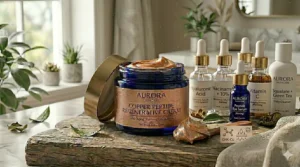
Peptide Types Comparison: Signal, Carrier, Neurotransmitter-Inhibiting
The skincare industry throws “peptides” around generically, but not all peptides function identically—understanding the categories helps decode ingredient lists and set realistic expectations.
| Peptide Type | Mechanism | Primary Benefits | Example Ingredients | Results Timeline |
|---|---|---|---|---|
| Signal Peptides | Activate fibroblasts to produce collagen/elastin | Increased firmness, wrinkle reduction | Matrixyl 3000, Matrixyl synthe’6 | 8-12 weeks |
| Carrier Peptides | Deliver trace elements (copper, manganese) to cells | Collagen synthesis, wound healing, antioxidant activity | GHK-Cu, GHK-Mn | 6-10 weeks |
| Neurotransmitter-Inhibiting | Reduce muscle contraction intensity | Expression line softening (forehead, crow’s feet) | Argireline, SNAP-8, Leuphasyl | 4-8 weeks |
| Enzyme-Inhibiting | Block collagen-degrading enzymes | Maintain existing collagen, prevent further damage | Soybean peptides, rice peptides | Ongoing maintenance |
Signal peptides like the Matrixyl family send chemical messages to fibroblasts essentially saying “increase collagen production”—they’re communicators rather than raw materials. Carrier peptides like GHK-Cu function as delivery vehicles, shuttling copper ions into cells where they activate the enzymes required for collagen cross-linking. Neurotransmitter-inhibiting peptides work through an entirely different mechanism, reducing the nerve signals that cause muscle contractions responsible for expression lines—think of them as topical Botox alternatives with slower onset but no injection requirements.
Most effective copper peptide creams combine these peptide types rather than relying on GHK-Cu alone. The TOSOWOONG 12-peptide formula, DNA CODE’s eight-peptide complex, and The Ordinary’s multi-peptide approach leverage this synergy—signal peptides tell your fibroblasts to make more collagen, carrier peptides provide the tools they need to do it, and neurotransmitter-inhibitors reduce the mechanical stress that creates new wrinkles while your skin is busy repairing old ones.
How to Choose the Right Copper Peptide Cream for Your Skin Type
For Dry/Mature Skin (45+ years): Prioritize formulations with occlusive ingredients like shea butter or ceramides alongside copper peptides. The Copper Peptide with Shea Butter or QUBIT formulations address both the collagen deficit causing sagging and the lipid barrier decline causing dryness. Look for 2-4% GHK-Cu concentration—your more compromised barrier means you need stronger peptide action, but rich bases prevent the irritation that can occur when high-concentration actives meet depleted barriers.
For Oily/Combination Skin (30-45 years): Choose lighter textures with 1-2% GHK-Cu that won’t congest pores or feel heavy under makeup. The Ordinary Multi-Peptide or BLUPROTIN formulations provide effective peptide delivery without the occlusive ingredients that trigger breakouts in sebum-prone skin. Apply in the evening only initially—oily skin produces sufficient natural moisturizing factors that additional daytime emollients often prove excessive.
For Sensitive/Reactive Skin (All ages): Start with lower concentrations (1% GHK-Cu) and minimal supporting ingredients to isolate potential reactions. The Ordinary offers the cleanest formulation in terms of avoiding common sensitizers, though BLUPROTIN’s track record with reactive users deserves consideration. Avoid formulations combining copper peptides with multiple acids or strong antioxidants that increase irritation likelihood. Patch test on inner arm for 48 hours before facial application—copper peptides themselves rarely cause reactions, but preservatives or fragrances in some formulations can.
For Normal/Resilient Skin (All ages): You have the flexibility to choose based on budget and specific concerns rather than tolerance limitations. Consider high-concentration options like Neurogan or DNA CODE if you want maximum anti-aging impact, or The Ordinary if you’re budget-conscious or new to copper peptides. Your skin’s tolerance allows aggressive protocols like morning and evening application from week one, potentially accelerating visible results by 2-3 weeks compared to more cautious approaches.
For Post-Procedure Recovery: Select formulations with anti-inflammatory ingredients alongside copper peptides—look for niacinamide, centella asiatica, or allantoin in the ingredient list. Avoid products with alcohol, fragrance, or acids for the first 7-14 days post-procedure when barrier disruption peaks. The copper peptides’ wound-healing properties shine during this period, potentially reducing recovery time from microneedling or laser treatments by 30-40% based on clinical observations.
Argireline Peptide Wrinkle Reducer: Copper’s Perfect Partner
Argireline (acetyl hexapeptide-8) represents the neurotransmitter-inhibiting peptide category most commonly paired with copper peptides in premium formulations. While GHK-Cu addresses skin structure by building collagen, Argireline tackles expression lines by reducing the muscle contractions that create them—attacking aging from two complementary angles.
Mechanism Differences
Copper peptides work in the dermis, stimulating fibroblasts to produce structural proteins over weeks to months. Argireline functions at the dermal-epidermal junction and neuromuscular interface, inhibiting SNARE complex formation that enables neurotransmitter release—essentially intercepting the signal that tells facial muscles to contract. This mechanism explains why Argireline shows faster results (4-8 weeks) for expression lines compared to copper peptides’ structural improvements (8-12 weeks).
Synergistic Benefits
Combining these peptides addresses both the structural collagen loss causing sagging and the mechanical stress from facial expressions creating new lines. Think of Argireline as preventing new damage while copper peptides repair existing damage—together they create a more comprehensive anti-aging effect than either achieves alone. The DNA CODE and TOSOWOONG formulations leverage this synergy explicitly, pairing high-concentration GHK-Cu with Argireline and additional supporting peptides.
Realistic Expectations
Argireline won’t replicate Botox results—it reduces contraction intensity rather than paralyzing muscles, meaning expression lines soften but don’t disappear entirely. For users hesitant about injections or those in their 30s-40s preventing deep line formation rather than correcting severe wrinkles, this represents an acceptable trade-off. The gradual results also mean no sudden “frozen” appearance that signals cosmetic intervention to everyone you know.
Advanced Peptide Formulas: What Actually Elevates Results
Marketing loves terms like “advanced” and “clinical strength,” but specific formulation characteristics actually do enhance copper peptide effectiveness beyond just higher concentration.
Encapsulation Technology: Liposomal or nano-lipid carrier systems protect copper peptides from degradation and enhance dermal penetration. Studies using encapsulated GHK-Cu showed significantly deeper penetration compared to standard formulations, translating to improved efficacy without increasing surface concentration (which can irritate). Look for terms like “liposomal delivery” or “nano-encapsulated” in product descriptions—these typically cost 20-40% more but deliver proportionally better results.
pH Optimization: Copper peptides remain stable in the pH 4.5-6.0 range, matching skin’s natural acid mantle. Formulations outside this range may contain copper peptides on the label while delivering unstable molecules that degrade before reaching target cells. The blue color in quality copper peptide products indicates proper pH maintenance—it fades or turns greenish when pH shifts toward alkaline ranges that destabilize the copper-peptide complex.
Supporting Peptide Synergies: Multi-peptide formulations leveraging signal, carrier, and neurotransmitter-inhibiting peptides simultaneously attack aging through complementary pathways. The 12-peptide TOSOWOONG formula and 8-peptide DNA CODE approach this strategically—each peptide handles specific aspects of collagen synthesis, expression line formation, or inflammation control that copper peptides alone don’t fully address.
Antioxidant Co-Factors: Vitamin E, green tea extract, or CoQ10 alongside copper peptides create synergy where antioxidants protect against the free radical damage copper peptides help repair. This matters particularly for daytime use where UV exposure generates oxidative stress that can overwhelm even copper peptides’ antioxidant benefits. The DNA CODE formulation includes CoQ10, alpha lipoic acid, and vitamin E specifically for this protective synergy.
Common Mistakes When Using Copper Peptide Cream
Mistake 1: Mixing with Direct Acids or Vitamin C Copper peptides function optimally at pH 4.5-6.0, while direct acids (glycolic, lactic, salicylic) lower pH to 3.0-4.0 and ascorbic acid (vitamin C) operates around pH 2.5-3.5. Layering these creates a pH environment that destabilizes copper peptides, essentially wasting the product. The solution isn’t avoiding acids entirely—use them at different times. Apply acids in the morning and copper peptides at night, or alternate days if using both in the same routine phase.
Mistake 2: Expecting Instant Results Collagen synthesis follows a biological timeline that marketing can’t accelerate—fibroblast activation takes days, protein production takes weeks, visible structural changes take months. Users abandoning copper peptides at week 3 because they don’t see dramatic changes miss that cellular improvements precede visible improvements by 4-6 weeks. Take baseline photographs and commit to 12 weeks before judging efficacy.
Mistake 3: Using Degraded Product Copper peptides oxidize over time, especially in clear or transparent bottles exposed to light. That blue color fading to pale blue-green signals degradation—the copper-peptide complex is breaking down, leaving you with copper ions (potentially irritating) and inactive peptides (useless). Store copper peptide products in cool, dark places and replace 6 months after opening even if product remains.
Mistake 4: Over-Application More doesn’t equal faster results with copper peptides—excess product just sits on your skin surface rather than penetrating. A pea-sized amount suffices for face and neck; using half a pump thinking you’ll double results just wastes product and may increase irritation risk. The peptides function at cellular level where concentration matters more than absolute quantity applied.
Mistake 5: Neglecting Sunscreen Copper peptides repair UV damage but don’t prevent it—continuing to damage your skin with inadequate sun protection negates the collagen-building benefits copper peptides provide. This isn’t peptide-specific; it’s basic skincare logic that bears repeating because so many users focus on correction while ignoring prevention.
Signal Peptide vs Carrier Peptide: Understanding the Distinction
The peptide category confusion stems from marketing using “peptide” generically for molecules with vastly different functions—understanding the distinction helps decode ingredient lists and set appropriate expectations.
Signal Peptides (Matrixyl Family, Palmitoyl Peptides): These function as chemical messengers, binding to cell surface receptors and triggering gene expression changes that increase collagen, elastin, and hyaluronic acid production. They don’t provide raw materials; they communicate needs. Think of signal peptides as the foreman at a construction site—they don’t build anything themselves but direct the workers (fibroblasts) to increase output. The Matrixyl 3000 and Matrixyl synthe’6 frequently paired with copper peptides fall in this category.
Carrier Peptides (Copper Peptides, Manganese Peptides): These bind to and transport trace elements essential for enzymatic functions involved in collagen synthesis and cross-linking. GHK-Cu delivers copper to lysyl oxidase and tyrosinase enzymes, while GHK-Mn provides manganese for proline hydroxylase. Unlike signal peptides that just send messages, carrier peptides provide the tools required to execute those messages. If signal peptides are the foreman, carrier peptides are the tool delivery truck bringing equipment the workers need.
Synergistic Action: Effective copper peptide formulations often combine both types—signal peptides tell fibroblasts “make more collagen,” while carrier peptides provide the copper ions those fibroblasts need to properly cross-link that collagen into organized structures. Using signal peptides alone generates increased but poorly organized collagen; using carrier peptides alone provides tools without clear instructions. Together they create structured, functional collagen that actually improves skin mechanics rather than just increasing dermal thickness without corresponding firmness improvements.
Peptide Eye Cream Puffiness: Why Copper Peptides Excel Here
The under-eye area presents unique challenges—thin skin with minimal fat padding, constant movement from blinking and expressions, and lymphatic drainage issues causing morning puffiness. Copper peptides address these specific concerns through mechanisms generic eye creams miss.
Structural Support: The periorbital skin contains less collagen and elastin than other facial areas, making it particularly vulnerable to age-related structural decline. Copper peptides stimulate collagen production in this collagen-deficient area, providing the structural scaffold that reduces the hollow, sunken appearance common in aging eyes. Unlike fillers that simply occupy space, copper peptides encourage your tissue to rebuild its own support structure.
Lymphatic Drainage: Copper peptides’ anti-inflammatory properties help reduce the fluid accumulation causing morning puffiness—inflammation increases vascular permeability that allows fluid to leak from capillaries into surrounding tissue. By reducing inflammatory mediators, copper peptides decrease this leakage and support proper lymphatic drainage that removes accumulated fluid. This explains why users frequently report reduced puffiness within 2-4 weeks, before collagen improvements become apparent.
Microcirculation: GHK-Cu stimulates angiogenesis—new blood vessel formation that improves nutrient delivery and waste removal in the delicate periorbital area. Better microcirculation means healthier-looking skin with less of the blue-purple discoloration from poor oxygen perfusion that creates “dark circles” unrelated to hyperpigmentation. This vascular improvement shows relatively quickly (4-6 weeks) compared to structural collagen changes.
Application Technique: Use your ring finger to apply copper peptide eye cream—it naturally exerts less pressure than index or middle fingers, preventing tissue stretching that contributes to early wrinkling. Pat gently from inner to outer corner following lymphatic drainage direction, avoiding aggressive rubbing that inflames already delicate tissue.
Peptide Effectiveness Research: What the Data Actually Shows
The skincare industry cherry-picks flattering studies while ignoring contradictory data, so examining the research landscape holistically reveals what copper peptides can realistically deliver.
Collagen Synthesis Evidence: Multiple studies demonstrate GHK-Cu increases collagen Types I and III production—Type I provides structural support accounting for 70-80% of dermal collagen, while Type III offers flexibility and predominates during early healing. The 9-fold increase in collagen synthesis observed in wound models represents extreme conditions; cosmetic application shows more modest but still clinically significant 20-40% increases in dermal collagen over 12 weeks at 1-4% concentrations.
Comparative Efficacy: Head-to-head studies comparing GHK-Cu to vitamin C and retinoic acid found copper peptides increased collagen in 70% of participants, outperforming both comparators. This doesn’t mean copper peptides are “better” than retinoids universally—different mechanisms suit different needs—but it challenges the assumption that prescription ingredients automatically outperform cosmetic ones. The practical implication is that those unable to tolerate retinoids aren’t resigning themselves to inferior alternatives.
Gene Expression Data: Gene expression profiling reveals GHK-Cu influences over 4,000 human genes, including many associated with tissue remodeling, inflammation control, and oxidative stress response. This broad genetic influence explains copper peptides’ multi-faceted benefits rather than single targeted effects. The Connectivity Map database shows GHK-Cu’s gene signature opposes signatures associated with cancer and fibrosis, suggesting protective effects beyond just cosmetic aging improvements.
Long-Term Safety: Decades of use in wound dressings and cosmetics established an excellent safety profile—copper peptides are naturally occurring molecules your body already produces, making true allergic reactions exceptionally rare. The concentration decline from 200 ng/ml at age 20 to 80 ng/ml at age 60 suggests topical supplementation simply replaces what aging depletes rather than introducing foreign molecules your body must adapt to.
❓ Frequently Asked Questions About Copper Peptide Cream Benefits
❓ How long does copper peptide cream take to show results?
❓ Can I use copper peptide cream with retinol?
❓ Do copper peptides really work as well as Botox for wrinkles?
❓ What percentage of copper peptides should I look for in a cream?
❓ Can copper peptide cream help with acne scars and hyperpigmentation?
Conclusion: Making Copper Peptide Cream Benefits Work for You
The gap between copper peptide cream benefits in research papers and bathroom mirror results hinges on formulation quality, consistent application, and realistic expectations. GHK-Cu’s 50-year research history confirms it stimulates collagen production, accelerates wound healing, and provides antioxidant protection—these aren’t marketing claims but verified biological activities. What determines whether you experience these benefits personally is choosing formulations with adequate peptide concentrations (1-4% GHK-Cu), stable pH environments preserving peptide integrity, and supporting ingredients that enhance rather than interfere with copper peptide function.
The seven formulations analyzed here represent distinct approaches to copper peptide delivery—TOSOWOONG’s multi-peptide diversity, Neurogan’s high-concentration potency, QUBIT’s barrier-repair focus, The Ordinary’s accessible efficacy, DNA CODE’s professional-grade complexity, BLUPROTIN’s sensitive-skin tolerance, and the Shea Butter formula’s intensive moisture repair. Your optimal choice depends on skin type, budget, specific concerns, and tolerance for rich versus lightweight textures. But regardless of which formulation you select, success requires committing to 12 weeks of consistent application before judging results—collagen remodeling follows biological timelines that impatience can’t accelerate but patience reliably rewards.
The copper peptide renaissance in 2026 reflects not a new trend but recognition of an ingredient whose science preceded its popularity. While the industry chases novel molecules, copper peptides have quietly accumulated decades of research demonstrating what skincare marketing often promises but rarely delivers: measurable, reproducible improvements in skin structure visible both under microscopes and in selfies.
Recommended for You
- 7 Best Peptide Serums for Wrinkles That Actually Work (2026)
- 7 Best Acne Scar Reducing Serum Silicone Products (2026 Guide)
- 7 Best Professional Strength Resurfacing Peels Transform Skin 2026
Disclaimer: This article contains affiliate links. As an Amazon Associate, I earn from qualifying purchases. If you purchase products through these links, we may earn a small commission at no additional cost to you.
✨ Found this helpful? Share it with your friends! 💬🤗
