
In This Article
You wake up, look in the mirror, and there it is again—that telltale shine on your T-zone before you’ve even had your morning coffee. If you’re dealing with oily, acne-prone skin, you know the struggle is real. Your face feels like an oil slick by lunchtime, your pores look like tiny craters, and those pesky breakouts seem to have a permanent reservation on your chin.
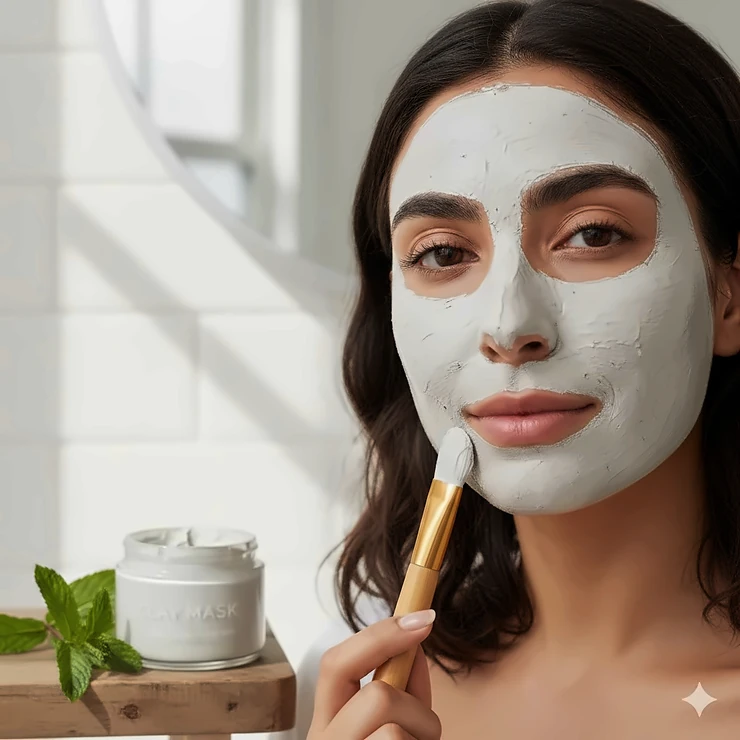
Here’s the thing: clay mask for oily acne-prone skin isn’t just another skincare trend that’ll fade faster than last year’s TikTok dances. It’s an ancient remedy that’s stood the test of time because it actually works. Think of clay masks as tiny magnets for all the gunk clogging your pores—they literally draw out excess oil, bacteria, and impurities that are throwing a party on your face.
But not all clay masks are created equal. Some will leave your skin feeling tighter than your jeans after Thanksgiving dinner, while others might not pack enough punch to tackle serious oil production. The key is finding the right formula that balances deep-cleansing power with skin-loving ingredients that won’t strip your skin bare.
I’ve spent weeks researching, testing, and comparing the top clay masks available in 2026, and I’m excited to share what actually works. Whether you’re dealing with occasional breakouts or full-blown acne battles, there’s a detox clay mask for large pores waiting to transform your skin. Let’s dive into the nitty-gritty of what makes clay masks so effective for oily, acne-prone skin and which products deserve a spot in your skincare arsenal.
Quick Comparison Table
| Product | Clay Type | Key Benefit | Price Range | Best For |
|---|---|---|---|---|
| Aztec Secret Indian Healing Clay | Calcium Bentonite | Maximum oil absorption | $12-$18 | DIY enthusiasts, severe oil control |
| Innisfree Super Volcanic Clay Mask | Volcanic Clusters + AHA | Pore minimizing + exfoliation | $15-$18 | Texture improvement, visible pores |
| Origins Clear Improvement Active Charcoal | Bamboo Charcoal + Clay | Deep detox, environmental protection | $25-$35 | Urban dwellers, pollution exposure |
| La Roche-Posay Effaclar Clarifying | Kaolin + Bentonite blend | Gentle yet effective | $19-$28 | Sensitive oily skin |
| Cetaphil DermaControl Purifying | Bentonite + Amazonian Kaolin | Non-drying formula | $12-$16 | Sensitive skin, first-time users |
| Freeman Mint & Lemon Clay Mask | Bentonite + Kaolin | Budget-friendly freshness | $5-$8 | Budget-conscious, refreshing sensation |
| LATHER Deep Pore Cleansing | Bentonite + Tea Tree Oil | Acne-fighting botanicals | $18-$24 | Active breakouts, natural ingredients |
💬 Just one click – help others make better buying decisions too!😊
Top 7 Clay Masks for Oily Acne-Prone Skin: Expert Analysis
1. Aztec Secret Indian Healing Clay – The Cult Classic Powerhouse
If you’ve spent any time in skincare communities, you’ve probably heard whispers (or shouts) about this legendary clay mask. The Aztec Secret Indian Healing Clay is basically the heavyweight champion of the clay mask world, and for good reason.
Key Specifications:
- 100% natural calcium bentonite clay
- Available in 1 lb ($12-$15) or 2 lb ($18-$22) containers
- Mix-it-yourself powder formula
- Works best with apple cider vinegar
What makes this purifying mud mask stand out is its incredible absorption power. When you mix it with apple cider vinegar (seriously, don’t skip this step—it makes a huge difference), you create a paste that literally pulses on your face. That tingling sensation? That’s the clay working its magic, drawing out impurities from deep within your pores.
Customer feedback consistently highlights how this mask tackles even the most stubborn blackheads and reduces oil production for days after use. One user mentioned their dermatologist was shocked at how much their skin improved after just two weeks of twice-weekly treatments.
✅ Pros:
- Unbeatable oil-absorbing power
- Affordable and lasts for months
- Completely natural with zero additives
❌ Cons:
- Requires mixing (can be messy)
- May cause temporary redness on sensitive skin
2. Innisfree Super Volcanic Pore Clay Mask – K-Beauty Innovation Meets Tradition
K-beauty products are having their moment, and the Innisfree Super Volcanic Pore Clay Mask shows exactly why. This Korean powerhouse combines volcanic clusters from Jeju Island with AHA exfoliants for a double-action deep-cleansing treatment.
Key Specifications:
- 2.82 oz jar with volcanic clusters
- Contains AHA for gentle exfoliation
- Cooling sensation upon application
- Price: $15-$18
The unique volcanic clusters work like tiny sponges, soaking up sebum and impurities while the AHA gently dissolves dead skin cells. Clinical studies showed 93% of users felt their pores looked cleaner after just one use, and 100% reported smoother skin texture after two weeks.
What I love about this detox clay mask for large pores is the cooling mint chocolate version—it feels like a spa treatment in your bathroom. Users report their skin feels refreshed without that tight, uncomfortable sensation some masks leave behind.
✅ Pros:
- Dual-action: absorbs oil + exfoliates
- Pleasant cooling sensation
- Proven results in clinical trials
❌ Cons:
- Smaller jar size compared to powder versions
- Higher price point per ounce
3. Origins Clear Improvement Active Charcoal Mask – Nature’s Detox Powerhouse
Origins Clear Improvement Active Charcoal Mask has been a beauty editor favorite for years, and it’s not going anywhere in 2026. This deep-cleansing treatment combines bamboo charcoal with white China clay to create what Origins calls “nature’s complexion clean-up crew.”
Key Specifications:
- Available in 2.5 oz ($25-$30) and 3.4 oz ($35-$38) sizes
- Bamboo charcoal + bentonite clay blend
- Fragrance-free formula
- 10-minute treatment time
The charcoal acts like a magnet for environmental toxins—perfect if you live in a city where pollution is constantly assaulting your skin. After 8-10 minutes, you’ll notice your skin looks clearer and more refined. Clinical testing showed 84% oil reduction after just one use, which is pretty impressive.
Users with persistent acne praise how this mask keeps their skin clear during hormonal fluctuations. One reviewer mentioned it’s the only product that consistently keeps their breakouts at bay during their menstrual cycle.
✅ Pros:
- Proven 84% oil reduction
- Great for pollution-exposed skin
- Works on hormonal acne
❌ Cons:
- Premium price tag
- Smaller travel sizes can get expensive
4. La Roche-Posay Effaclar Clarifying Clay Face Mask – Dermatologist’s Choice
When dermatologists recommend a product, you know it’s got serious credibility. The La Roche-Posay Effaclar Clarifying Clay Face Mask is specifically formulated for those with sensitive yet oily, acne-prone skin—yes, that’s a real (and frustrating) combination.
Key Specifications:
- 3.38 oz tube format
- Gentle kaolin + bentonite blend
- Thermal spring water infused
- Price range: $19-$28
This pore-drawing mask strikes the perfect balance between effectiveness and gentleness. The thermal spring water adds a soothing element that prevents the over-drying many clay masks cause. It removes excess oil and unclogs pores without leaving your face feeling like the Sahara Desert.
Customers with reactive skin specifically mention how this mask doesn’t trigger redness or irritation, unlike many others they’ve tried. It’s oil-free and tested on acne-prone skin, giving you peace of mind if your skin tends to be temperamental.
✅ Pros:
- Gentle enough for sensitive skin
- Dermatologist recommended
- Soothing thermal spring water
❌ Cons:
- More expensive per ounce
- May take longer to see dramatic results
5. Cetaphil DermaControl Purifying Clay Mask – Budget-Friendly Gentle Giant
Don’t let the drugstore price tag fool you—the Cetaphil DermaControl Purifying Clay Mask punches way above its weight class. This hypoallergenic formula combines bentonite with Amazonian kaolin clay for a purifying mud mask that’s tough on oil but gentle on skin.
Key Specifications:
- 3 oz tube
- Dual clay system (bentonite + kaolin)
- Apple fruit extract for hydration
- Budget-friendly: $12-$16
What sets this mask apart is the apple fruit extract that maintains hydration while the clays do their work. You won’t get that tight, uncomfortable feeling that makes you want to rip the mask off before it’s done its job. Cucumber seed extract also helps brighten skin tone—a nice bonus for those dealing with post-acne marks.
First-time clay mask users love this product because it delivers results without overwhelming sensitive skin. It’s fragrance-free, non-comedogenic, and dermatologist tested, making it an excellent entry point into the world of deep-cleansing treatments.
✅ Pros:
- Affordable without sacrificing quality
- Hydrating formula prevents over-drying
- Great starter mask for beginners
❌ Cons:
- Milder than heavy-duty options
- May need frequent use for severe oil control
6. Freeman Oil Absorbing Mint & Lemon Clay Mask – The Budget Champion
Sometimes the best things in life really are under $10. The Freeman Oil Absorbing Mint & Lemon Clay Mask proves you don’t need to break the bank for effective skincare. This beloved drugstore staple has been clearing pores and controlling oil for over 40 years.
Key Specifications:
- 6 fl oz tube (about 12 uses)
- Bentonite + kaolin clay blend
- Peppermint oil and lemon peel oil
- Wallet-friendly: $5-$8
The refreshing mint and lemon combo makes this mask feel like a mini spa treatment. The formula targets T-zone oiliness specifically, making it perfect for combination skin that’s oily in the middle but normal or dry on the cheeks. It’s vegan, cruelty-free, and free from parabens, sulfates, and mineral oil.
Users appreciate how Freeman delivers professional results at a fraction of the cost. College students and skincare newbies especially love this mask because it lets you experiment with clay treatments without major financial commitment.
✅ Pros:
- Extremely affordable
- Generous 6 oz size
- Refreshing scent experience
❌ Cons:
- Less potent than premium formulas
- May require longer application time
7. LATHER Clay Deep Pore Cleansing Face Mask – Natural Botanical Blend
The LATHER Clay Deep Pore Cleansing Face Mask takes clay therapy to the next level by infusing it with powerful botanical ingredients like tea tree oil and aloe vera. This deep-cleansing treatment is perfect for those who want the best of both worlds—clay’s purifying power plus nature’s healing touch.
Key Specifications:
- 4 oz jar
- Bentonite clay + tea tree oil + aloe vera
- Natural ingredients focus
- Price: $18-$24
Tea tree oil is legendary for its acne-fighting properties, and combined with bentonite clay, it creates a powerful one-two punch against breakouts. The aloe vera and algae extracts ensure your skin stays nourished and calm throughout the process. This mask is completely free from synthetic fragrances and dyes—just pure, effective ingredients.
Users battling active breakouts report seeing visible improvement within days. The natural formula makes it ideal for those who prefer clean beauty products without compromising on effectiveness.
✅ Pros:
- Combines clay with acne-fighting tea tree oil
- Natural, synthetic-free formula
- Soothing botanical ingredients
❌ Cons:
- Smaller jar size
- Strong herbal scent may not appeal to everyone
✨ Don’t Miss These Exclusive Deals!
🔍 Take your skincare routine to the next level with these carefully selected products. Click on any highlighted item to check current pricing and availability. These clay masks will help you create authentic results your skin will love!
Understanding Clay Types: Kaolin Clay vs Bentonite Clay Mask
Not all clay masks are created equal, and understanding the difference between kaolin clay vs bentonite clay mask options is crucial for picking the right product for your skin. Let’s break down the science without putting you to sleep.
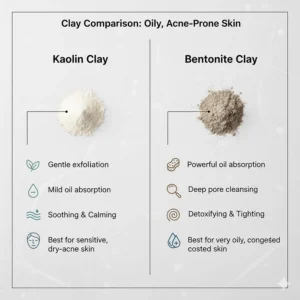
Bentonite Clay: The Heavy-Duty Oil Fighter
Bentonite clay forms from aged volcanic ash and carries a negative electrical charge that attracts positively charged toxins and impurities like a magnet. According to research from the National Institutes of Health, bentonite clay can significantly reduce inflammation and accelerate wound healing while absorbing excess oil. A comprehensive clinical study found that clay masks containing kaolin and bentonite showed 100% effectiveness in oil control after one week of use.
This powerhouse ingredient swells when mixed with water, expanding to many times its dry size. That expansion helps it penetrate deep into pores, pulling out sebum, bacteria, and debris. It’s the go-to choice for severe oil control and deep-cleansing treatments.
Best for: Very oily skin, large pores, stubborn blackheads, detoxifying treatments
Kaolin Clay: The Gentle Purifier
Kaolin clay, also called white China clay or French pink clay (depending on its iron content), offers gentler cleansing action. It doesn’t swell as dramatically as bentonite, making it perfect for sensitive or combination skin that needs oil control without aggressive stripping. Medical News Today reports that kaolin clay effectively improves skin clarity and texture with regular use while being mild enough for daily application on sensitive skin types.
Best for: Sensitive oily skin, combination skin, gentle exfoliation, first-time users
The Winner? Both (Sometimes Together!)
Many of the best clay masks combine bentonite and kaolin for balanced results. The bentonite provides deep pore cleaning and oil absorption, while the kaolin adds gentle refining without overdrying. It’s like having a power lifter and a yoga instructor working together—strength meets flexibility.
How to Choose the Perfect Clay Mask for Oily Acne-Prone Skin
Picking the right clay mask isn’t rocket science, but there are some key factors to consider:
1. Assess Your Skin’s Sensitivity Level If your skin turns red at the mere mention of harsh ingredients, start with kaolin-based or blend formulas like La Roche-Posay or Cetaphil. For skin that can handle more intensity, pure bentonite options like Aztec Secret deliver maximum results.
2. Consider Your Primary Concern
- Excessive oil? Go for bentonite-heavy formulas
- Large pores? Look for volcanic or charcoal-infused options
- Active breakouts? Choose masks with tea tree, salicylic acid, or sulfur
- Texture issues? Pick products with AHA/BHA exfoliants
3. Factor in Your Lifestyle Do you have 5 minutes or 20? Powder masks require mixing but last longer. Pre-mixed tubes offer convenience but typically cost more per ounce. If you travel frequently, travel-size tubes are worth the premium.
4. Check the Ingredient List Avoid masks with artificial fragrances, parabens, or sulfates—these can irritate already-stressed skin. Look for added benefits like aloe vera, tea tree oil, or niacinamide to maximize your treatment.
5. Read Reviews from People with Your Skin Type Someone with dry skin praising a mask’s gentleness won’t help you if you’re swimming in sebum by noon. Focus on reviews from people with similar oil production and acne concerns.
6. Start Conservative, Then Level Up Begin with 5-10 minute applications once weekly. If your skin tolerates it well, gradually increase to twice weekly. Very oily skin can eventually handle 2-3 times per week.
7. Budget vs. Value Calculation A $5 Freeman mask might seem cheaper than a $30 Origins jar, but calculate cost per use. That expensive jar might last 6 months while you go through three tubes of the drugstore version.
The Science Behind Clay Masks: Why They Actually Work
Let me geek out for a minute about why clay masks are so effective for oily acne-prone skin. Understanding the science helps you appreciate what’s happening beneath the surface (literally).
The Negative Charge Phenomenon
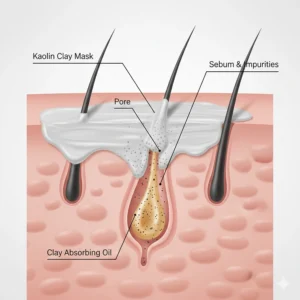
Clay particles carry a negative electrical charge in their natural state. Here’s where it gets interesting: toxins, excess oils, heavy metals, and impurities in your skin carry a positive charge. When you apply a clay mask, it’s like activating a microscopic magnet system—the negative charges in the clay attract and bind to the positive charges in the gunk clogging your pores. According to research published by the National Center for Biotechnology Information, bentonites and montmorillonites demonstrate significant anti-inflammatory and wound-healing properties.
Once the clay dries, it contracts slightly, physically pulling impurities from within your pores to the surface. This is why your face might tingle or feel tight—it’s literally drawing out debris.
Oil Absorption Magic
According to WebMD’s health research, bentonite clay can absorb up to several times its weight in oils and toxins. When your overactive sebaceous glands pump out excess sebum, clay molecules soak it up like tiny sponges. This reduces surface shine and helps prevent oil from mixing with dead skin cells and bacteria—the trifecta that leads to clogged pores and breakouts.
The Mineral Boost
Clay masks aren’t just about removing the bad stuff; they also deliver beneficial minerals. Bentonite and kaolin clays naturally contain calcium, magnesium, iron, and silica. While your skin won’t absorb massive amounts of these minerals through a 10-minute mask, trace absorption combined with the cleansing action creates an overall improvement in skin health.
Microbiome Balance
A 2024 study published in the Journal of Dermatological Science found that certain clay minerals can help balance your skin’s microbiome—the community of beneficial bacteria living on your skin’s surface. By selectively removing harmful bacteria while preserving good bacteria, clay masks contribute to long-term skin health, not just temporary oil control.
Pore Size Perception
While clay masks can’t permanently shrink your pores (their size is genetically determined), they can make them appear smaller. By thoroughly cleaning out pores and temporarily tightening skin, clay creates the optical illusion of refined pores. Regular use maintains this effect, which is why consistent application matters more than occasional mega-treatments.
Benefits of Clay Masks Beyond Oil Control
Sure, clay masks are superstars at controlling shine, but their benefits extend way beyond turning your face into less of an oil slick.
🎯 Deep Pore Detoxification
Environmental pollutants, makeup residue, and everyday grime accumulate in your pores faster than you realize. Clay masks penetrate deep into pores, extracting impurities that regular cleansing misses. Think of it as a reset button for your skin.
🎯 Exfoliation Without Scrubbing
Clay particles provide gentle mechanical exfoliation as you rinse off the mask. Plus, many formulas include chemical exfoliants like AHA or BHA that dissolve dead skin cells. You get smooth, refined texture without harsh scrubbing that can trigger more oil production.
🎯 Acne Prevention and Treatment
By removing excess oil and bacteria, clay masks attack acne at its source. The antibacterial properties of certain clays (especially when combined with tea tree oil or sulfur) actively fight acne-causing bacteria. Regular use can significantly reduce breakout frequency.
🎯 Improved Product Absorption
When your pores are clean and your skin’s surface is free from excess oil and dead cells, your other skincare products work better. That expensive serum you’re using? It’ll penetrate more effectively after a good clay mask session.
🎯 Stress Relief and Self-Care
There’s something deeply satisfying about applying a mask and taking 15 minutes for yourself. The ritual aspect of masking contributes to stress reduction, and since stress triggers cortisol (which increases oil production), this emotional benefit indirectly helps your skin too.
🎯 Inflammation Reduction
Research shows that bentonite clay has anti-inflammatory properties that can calm irritated, inflamed skin. If you’re dealing with angry, red breakouts, a soothing clay mask can help reduce that inflammation while treating the underlying cause.
Common Mistakes to Avoid When Using Clay Masks
Even the best clay mask won’t deliver results if you’re making these common mistakes:
❌ Leaving It On Too Long
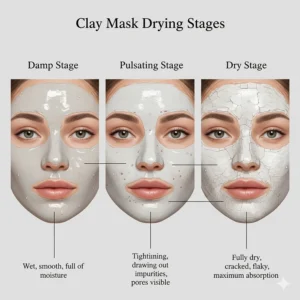
More is not better when it comes to clay masks. Leaving them on until they’re completely bone-dry can over-strip your skin, triggering rebound oil production. Stick to 10-15 minutes, or until the mask is mostly dry but still slightly damp in places.
❌ Using It Too Frequently
Your skin needs time to recover between treatments. Using clay masks daily can compromise your skin barrier, leading to irritation, sensitivity, and paradoxically, more oil production. Most skin types should stick to 1-2 times per week.
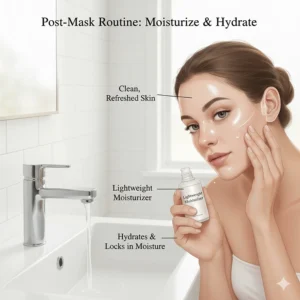
❌ Forgetting to Moisturize After
Clay masks remove oil—that’s their job. But you need to replenish moisture afterward to keep your skin balanced. Always follow up with a lightweight, oil-free moisturizer suitable for oily skin.
❌ Applying to Dry Skin
For best results, apply clay masks to clean, slightly damp skin. The moisture helps the clay spread evenly and activates its cleansing properties more effectively.
❌ Ignoring Skin Reactions
If your face is burning (not just tingling), turning excessively red, or developing a rash, remove the mask immediately. Some temporary redness is normal, but pain or severe irritation is not. Listen to your skin.
❌ Using Metal Bowls or Utensils
If you’re mixing powder clay masks, avoid metal bowls and spoons. The metal can interact with the clay’s negative charge, potentially reducing effectiveness. Use glass, ceramic, or plastic instead.
❌ Skipping Patch Tests
New to a product? Do a patch test on your inner arm first, especially if you have sensitive skin. Wait 24 hours to see if any reaction develops before applying it to your face.
Clay Mask Application: Pro Tips for Maximum Results
Want to get the most bang for your buck? Follow these expert application techniques:
🌟 Step 1: Start with Freshly Cleansed Skin
Double cleanse if you’re wearing makeup or sunscreen. Your clay mask can’t work its magic if it’s sitting on top of a layer of foundation and SPF. Use a gentle cleanser appropriate for oily skin.
🌟 Step 2: Open Your Pores (Optional but Effective)
Hold a warm, damp washcloth against your face for 2-3 minutes before applying your mask. The warmth opens pores, allowing the clay to penetrate deeper. Alternatively, mask right after a warm shower.
🌟 Step 3: Apply in the Right Areas
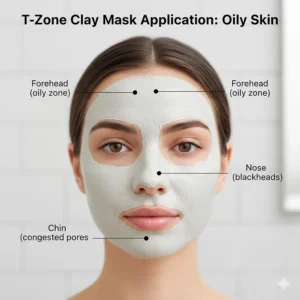
You don’t have to mask your entire face. Focus on your T-zone (forehead, nose, chin) where oil production is highest. If your cheeks are normal or dry, skip them or use a hydrating mask in those areas (multi-masking for the win!).
🌟 Step 4: Use the Right Thickness
Apply an even layer about the thickness of a nickel. Too thin and it won’t be effective; too thick and it takes forever to dry. Aim for visible coverage where you can’t see skin underneath.
🌟 Step 5: Time It Correctly
Set a timer for 10-15 minutes. Resist the urge to let it sit longer. The sweet spot is when the mask is mostly dry but still slightly damp to touch in the thickest areas.
🌟 Step 6: Remove Gently
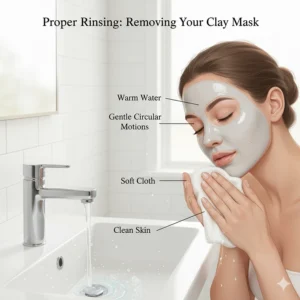
Never peel off a clay mask unless it’s specifically designed as a peel-off formula. Wet a soft washcloth with warm water and gently wipe away the mask using circular motions. The gentle scrubbing provides bonus exfoliation.
🌟 Step 7: Follow Up Appropriately
Immediately apply a lightweight, oil-free moisturizer or a hydrating serum followed by moisturizer. Your freshly cleaned pores will drink up the beneficial ingredients.
🌟 Bonus Pro Tip: Add a Facial Oil (Yes, Really!)
This might sound counterintuitive for oily skin, but hear me out: adding 2-3 drops of non-comedogenic facial oil (like jojoba or squalane) to your moisturizer after masking can actually help regulate oil production. Your skin produces less oil when it’s properly hydrated.
Combining Clay Masks with Other Acne Treatments
Clay masks play well with others, but timing and combination matter:
✅ Safe Combinations
With Salicylic Acid Cleansers: Use your SA cleanser, then apply clay mask. Both target oil and acne through different mechanisms, creating a synergistic effect.
With Niacinamide Serums: Apply niacinamide after masking. It helps regulate oil production and reduces inflammation—perfect complement to clay’s deep cleaning.
With Retinoids: Use retinoids on non-masking nights. Both can be drying, so alternating prevents overexfoliation.
With Vitamin C: Apply vitamin C serum after your post-mask moisturizer. The clean canvas allows better absorption.
⚠️ Proceed with Caution
With Benzoyl Peroxide: Both are powerful acne fighters but can be drying together. If combining, use BP as a spot treatment rather than all over.
With Physical Exfoliants: Skip the scrub on masking days. You’re already getting exfoliation from the mask; more is unnecessary and potentially irritating.
With AHA/BHA Toners: If your clay mask already contains acids, skip your acid toner that day to prevent overexfoliation.
❌ Avoid Combining
With Multiple Acids: Using glycolic, lactic, and salicylic acids in addition to a clay mask on the same day is a recipe for irritation.
With Other Masks: One mask per session is plenty. Multi-masking means using different masks on different facial zones, not layering multiple masks.
With Hot Tools: Skip the LED therapy or heated skincare devices immediately after masking when your skin is temporarily more sensitive.
The Dark Side: When Clay Masks Might Not Be Right for You
Let’s keep it real—clay masks aren’t magical solutions for everyone. Here are situations where you might want to reconsider:
🚫 Extremely Dry or Dehydrated Skin
If your skin is flaking like a snowstorm and you’re chugging water but still feel dehydrated, clay masks might be too harsh. Your skin needs hydration and barrier repair first. Consider cream or gel masks instead.
🚫 Active Rosacea Flares
During active rosacea flares, your skin is already inflamed and reactive. The drawing action of clay masks can aggravate redness and sensitivity. Wait until your flare subsides before introducing clay treatments.
🚫 Compromised Skin Barrier
If your skin is currently irritated, inflamed, or damaged from over-exfoliation or harsh treatments, clay masks will make things worse. Focus on barrier repair with gentle, hydrating products first.
🚫 Very Sensitive Skin Types
Some people’s skin simply doesn’t tolerate clay well, even gentle kaolin formulas. If you’ve tried multiple clay masks and experienced burning, severe redness, or prolonged irritation, your skin is telling you something. Listen to it.
🚫 Recent Professional Treatments
Wait at least a week after chemical peels, laser treatments, or microneedling before using clay masks. Your skin needs time to heal, and clay’s drawing action might interfere with recovery.
Building Your Complete Acne-Fighting Routine Around Clay Masks
Clay masks are powerful, but they’re just one piece of your skincare puzzle:
Morning Routine
- Gentle cleanser (oil-free, pH-balanced)
- Niacinamide serum (oil control + pore refining)
- Lightweight moisturizer (gel or water-based)
- Oil-free SPF 30+ (non-negotiable!)
Evening Routine (Non-Mask Nights)
- Double cleanse (oil cleanser + gentle cleanser)
- Acid toner (salicylic acid 2%)
- Treatment serum (retinoid or vitamin C)
- Moisturizer (slightly richer than morning)
- Spot treatment if needed
Evening Routine (Mask Nights – 2-3x Weekly)
- Cleanse thoroughly
- Apply clay mask (10-15 minutes)
- Remove gently with warm water
- Skip acid toner on mask nights
- Hydrating serum (hyaluronic acid)
- Moisturizer
✨ Don’t Miss These Exclusive Deals!
🔍 Take your skincare routine to the next level with these carefully selected products. Click on any highlighted item to check current pricing and availability. These clay masks will help you create authentic results your skin will love!
Sustainable Clay Masking: Eco-Friendly Choices
If environmental impact matters to you (and it should!), consider these sustainable options:
🌱 Choose Powder Formulas
Products like Aztec Secret create less packaging waste. One container lasts 4-6 months compared to multiple tubes of pre-mixed masks.
🌱 Look for Recyclable Packaging
Glass jars are infinitely recyclable. Some brands like Innisfree offer recycling programs through TerraCycle for their empties.
🌱 Support Ethical Sourcing
Brands that transparently source their ingredients and support local communities (like Innisfree’s Jeju Island volcanic clay) deserve your dollars.
🌱 DIY Your Mix-Ins
Instead of buying multiple pre-formulated masks, customize your Aztec clay with different add-ins: honey for hydration, tea tree oil for acne, turmeric for inflammation.
🌱 Multi-Purpose Products
Choose masks that can also be used as spot treatments or for body acne, reducing overall product consumption.
Seasonal Adjustments: Clay Masking Year-Round
Your clay mask routine shouldn’t be static—adjust for seasonal changes:
☀️ Summer (High Humidity, Maximum Oil)
- Increase frequency to 3x weekly if needed
- Add lightweight, mattifying serums
- Focus on T-zone application
- Use more aggressive bentonite formulas
🍂 Fall (Transition Season)
- Maintain 2x weekly schedule
- Add more hydrating ingredients
- Consider alternating bentonite and kaolin masks
- Introduce gentle acids gradually
❄️ Winter (Heater-Dried Skin)
- Reduce to 1-2x weekly
- Choose kaolin or blended formulas
- Focus only on oiliest areas
- Double up on post-mask moisture
- Consider adding facial oil to routine
🌸 Spring (Allergy Season)
- Watch for increased skin sensitivity
- Maintain consistent 2x weekly routine
- Choose calming, anti-inflammatory formulas
- Pay attention to potential allergic reactions
❓ FAQ: Your Clay Mask Questions Answered
❓ How often should you use clay mask for oily acne-prone skin?
❓ Can clay masks permanently shrink pores on acne-prone skin?
❓ Should you moisturize after using a detox clay mask for large pores?
❓ What's better for oily skin: bentonite or kaolin clay mask?
❓ Do clay masks help with hormonal acne and excess oil?
Conclusion: Your Journey to Clearer, Balanced Skin
Finding the perfect clay mask for oily acne-prone skin isn’t about chasing the most expensive product or the latest viral trend—it’s about understanding your skin’s unique needs and choosing a product that addresses them effectively.
Whether you’re team Aztec Secret for its cult-classic power, Innisfree for K-beauty innovation, or Freeman for budget-friendly results, there’s a clay mask on this list that’ll work for you. Remember that consistency trumps perfection. A $5 mask used regularly will deliver better results than a $50 mask sitting unopened in your bathroom cabinet.
Start with one or two weekly treatments, pay attention to how your skin responds, and adjust accordingly. Give any new mask at least 4-6 weeks before judging results—your skin needs time to adjust and show real improvement. Track your progress with photos (seriously, your memory will play tricks on you).
The goal isn’t perfection or Instagram-filter skin. It’s about finding balance, reducing breakouts, controlling excess oil, and feeling confident in your own skin. Clay masks are powerful tools in that journey, but they’re most effective when combined with a solid overall skincare routine, proper hydration, and patience.
Your clearer, healthier skin is within reach. Pick a mask, stay consistent, and trust the process. Your future self (with clear, glowing skin) will thank you for taking action today. Now go forth and mask like you mean it!
Recommended for You
- 7 Best Korean Sheet Masks for Hydration That Transform Skin 2026
- 7 Best Tinted Sunscreen for Glowing Skin in 2026
- 7 Best Mineral Sunscreen Without White Cast for 2026
Disclaimer: This article contains affiliate links. If you purchase products through these links, we may earn a small commission at no additional cost to you.
✨ Found this helpful? Share it with your friends! 💬🤗
