
In This Article
Imagine slathering on sunscreen only to look like a ghost in photos. We’ve all been there—that dreaded white cast from mineral sunscreen that makes you choose between sun protection and looking presentable. The struggle is real, especially if you have medium to deep skin tones.

Here’s the good news: mineral sunscreen without white cast is not a myth anymore. Thanks to innovative formulations using micronized zinc oxide and clever tinting techniques, you can now enjoy broad-spectrum protection that actually disappears into your skin. Unlike chemical sunscreens that absorb into your bloodstream, mineral formulas sit on top of your skin like tiny mirrors, reflecting harmful UV rays before they can cause damage.
In this comprehensive guide, I’ll walk you through seven outstanding products that deliver serious sun protection without the ghostly aftermath. Whether you’re hunting for a zinc oxide sunscreen for sensitive skin, a reef-safe mineral sunscreen face formula, or checking tinted mineral sunscreen reviews, you’ll find options that work for your unique needs and budget. Let’s dive into the world of physical UV blockers that won’t leave you looking like you just saw a ghost.
Quick Comparison Table
| Product | SPF | Key Feature | Price Range | Best For |
|---|---|---|---|---|
| EltaMD UV Physical Tinted | SPF 41 | Premium tinted formula | $35-42 | All skin tones |
| CeraVe Hydrating Mineral Tinted | SPF 30 | Ceramides + tint | $15-18 | Budget-conscious |
| Blue Lizard Sensitive | SPF 50+ | Smart Cap technology | $16-20 | Sensitive skin |
| Thrive Natural Care | SPF 30 | Costa Rican superplants | $14-17 | Clean beauty lovers |
| WindSkin Sensitive Face | SPF 30 | Zero eye sting | $13-15 | Best value |
| Safe Sea Zinc Oxide | SPF 50 | Anti-jellyfish protection | $28-32 | Ocean enthusiasts |
| Badger Mineral Daily | SPF 30 | 90% organic ingredients | $20-24 | Eco-conscious |
💬 Just one click – help others make better buying decisions too! 😊
Top 7 Mineral Sunscreen Without White Cast: Expert Analysis
1. EltaMD UV Physical Tinted Mineral Sunscreen SPF 41
For those willing to invest in premium sun protection, EltaMD UV Physical Tinted stands as the gold standard. This dermatologist-favorite combines 9% zinc oxide with 7% titanium dioxide in a lightly tinted formula that blends beautifully across most skin tones.
Key Specifications:
- Water-resistant up to 40 minutes
- Paraben-free and noncomedogenic
- Contains iron oxides for added visible light protection
The formula contains niacinamide to calm redness and hyaluronic acid to provide hydration throughout the day. What sets this apart is how the tint neutralizes the typical white cast while the mineral actives work their magic. Customers rave about its ability to double as a makeup primer, though some with very deep skin tones report needing to layer concealer over it.
Pros:
✅ Dermatologist-tested and recommended
✅ Matte finish ideal for oily skin
✅ Works well under makeup
Cons:
❌ Premium price point
❌ Limited shade range (one universal tint)
Price: $35-42 for 3 oz
2. CeraVe Hydrating Mineral Sunscreen SPF 30 with Sheer Tint
If you’re searching for a non-nano zinc formula that won’t drain your wallet, CeraVe Hydrating Mineral Sunscreen delivers impressive value. This drugstore hero packs three essential ceramides that help restore your skin barrier while protecting against UV damage.
Key Specifications:
- 100% mineral filters (zinc oxide + titanium dioxide)
- Fragrance-free and allergy-tested
- Contains niacinamide and hyaluronic acid
The sheer tint comes in two options—light and medium—making it more inclusive than many competitors. The formula feels surprisingly lightweight for a mineral sunscreen, absorbing within minutes without that heavy, sticky sensation. Customer feedback consistently praises how it layers beautifully with other skincare products without pilling. Some users with very oily skin note it can feel slightly dewy by midday.
Pros:
✅ Exceptional value for money
✅ Two tint shades available
✅ Suitable for sensitive skin
Cons:
❌ May feel dewy on very oily skin
❌ Shorter water resistance (40 minutes)
Price: $15-18 for 1.7 oz
3. Blue Lizard Sensitive Mineral SPF 50 Sunscreen Lotion
Blue Lizard Sensitive brings Australian sun safety expertise to your daily routine with an innovative Smart Cap that changes color in UV light. This clean beauty sunscreen uses both zinc oxide and titanium dioxide to achieve impressive SPF 50+ protection.
Key Specifications:
- Infused with organic aloe vera
- Water-resistant for 80 minutes
- Hypoallergenic and fragrance-free
The formula’s claim to fame is how it balances powerful protection with gentleness. It’s specifically designed for sensitive skin types who often struggle with irritation from chemical filters. Customers appreciate the generous 5 oz bottle and the educational aspect of the color-changing cap—great for teaching kids about sun safety. The texture requires a bit more rubbing than tinted options, but it does eventually blend clear on most skin tones.
Pros:
✅ Longest water resistance in this lineup
✅ Smart Cap technology
✅ Reef-friendly formulation
Cons:
❌ Requires more blending effort
❌ Can leave slight cast on very deep tones
Price: $16-20 for 5 oz
4. Thrive Natural Care Mineral Face Sunscreen SPF 30
For those drawn to clean beauty with a conscience, Thrive Natural Care offers a compelling choice. This physical UV blocker harnesses the power of Costa Rican superplants—Juanilama, Fierrillo, and Coralillo—alongside 20% non-nano zinc formula.
Key Specifications:
- Vegan and cruelty-free
- Contains coffee seed oil and wakame seaweed
- Upgraded formula reduces pilling
The brand’s commitment extends beyond skin care—each purchase supports rural Costa Rican farmers in soil restoration efforts. Users with combination skin love how the matte finish controls shine without feeling drying. The formula contains no synthetic fragrances, just a subtle citrus scent from natural essential oils. A few customers mention needing to shake the bottle well before each use to maintain consistency.
Pros:
✅ Supports sustainable farming
✅ Matte finish without dryness
✅ Rich in antioxidants
Cons:
❌ Smaller size (2 oz)
❌ Requires vigorous shaking
Price: $14-17 for 2 oz
5. WindSkin Sensitive Mineral Sunscreen Face SPF 30
Looking for the best bang for your buck? WindSkin Sensitive delivers professional-grade protection at an accessible price point. This lightweight moisturizer doubles as a reliable physical sunscreen using both titanium dioxide and zinc oxide.
Key Specifications:
- Zero eye sting formula
- Clinically proven to improve dark spots
- Non-greasy with smooth finish
What makes this product stand out is its dual-action approach—protecting while actively improving skin concerns like fine lines and uneven tone. The formula glides on effortlessly and sits beautifully under makeup without that dreaded pill situation. Customers with acne-prone skin particularly appreciate its non-comedogenic properties. The easy-squeeze tube design ensures you can get every last drop without frustration.
Pros:
✅ Best value in this category
✅ No eye irritation
✅ Improves skin texture over time
Cons:
❌ Only one shade (untinted)
❌ Lower SPF than some options
Price: $13-15 for 1 oz
6. Safe Sea Zinc Oxide Sunscreen SPF 50
Here’s something unique: Safe Sea is the only sunscreen in this lineup that protects you from both UV rays and jellyfish stings. This reef-safe mineral sunscreen face and body formula uses premium zinc oxide in a surprisingly clear formulation.
Key Specifications:
- Anti-jellyfish sting technology
- Coral reef safe certification
- Water-resistant properties
Originally developed in collaboration with marine biologists, this physical UV blocker contains proteins that interfere with jellyfish stinging mechanisms. Beachgoers and ocean swimmers rave about the peace of mind it provides during tropical vacations. The clear formula requires applying the right amount—too much creates a slight white tinge, but proper application yields an invisible finish. The travel-size packaging makes it TSA-friendly for your Hawaiian getaway.
Pros:
✅ Unique anti-jellyfish protection
✅ Hawaii reef-compliant
✅ Clear finish when applied correctly
Cons:
❌ Higher price point
❌ Technique-sensitive application
Price: $28-32 for 2 oz (pack of 2)
7. Badger Mineral Daily Sunscreen SPF 30
For purists seeking the cleanest possible formula, Badger Mineral Daily strips things down to just four ingredients: zinc oxide, coconut oil, sunflower wax, and vitamin E. This non-nano zinc oxide sunscreen achieves the elusive no-white-cast goal through clear zinc technology.
Key Specifications:
- 90% organic ingredients
- Manufactured with 100% solar power
- Water-resistant for 40 minutes
The formula uses clear zinc oxide that blends more easily than traditional mineral particles while maintaining broad-spectrum protection. Customers with very dry skin love how moisturizing it feels without being greasy. The family-owned, women-led company has built a reputation for transparency and sustainability since 1995. Some users note the 4 oz bottle runs out faster with daily full-face application.
Pros:
✅ Minimal ingredient list
✅ Sustainable manufacturing
✅ Suitable for all ages
Cons:
❌ Less water-resistant than competitors
❌ Higher per-ounce cost
Price: $20-24 for 4 oz
✨ Don’t Miss These Exclusive Deals!
🔍 Take your sun protection to the next level with these carefully selected products. Click on any highlighted item to check current pricing and availability. These formulas will help you achieve flawless protection your skin will thank you for!
What Makes Mineral Sunscreen Without White Cast Different?
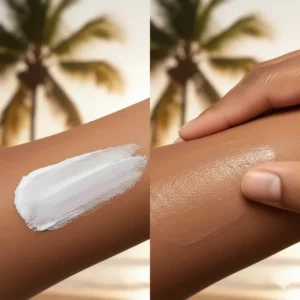
The secret lies in particle engineering. Traditional zinc oxide and titanium dioxide particles are large enough to scatter visible light, which creates that characteristic white appearance. Modern formulations tackle this challenge through several innovations.
Micronized minerals use particles sized between 100-200 nanometers, small enough to minimize visible light scattering while maintaining UV-blocking power. According to research published in the Journal of the American Academy of Dermatology, these refined particles provide the same broad-spectrum protection as larger versions without cosmetic drawbacks.
Tinting adds another layer of sophistication. Iron oxides in various shades help neutralize the white cast while providing bonus protection against visible light that can trigger hyperpigmentation. These pigments act like color correctors, counteracting the blue-gray undertones that mineral filters naturally create.
The FDA has recognized zinc oxide and titanium dioxide as the only two sunscreen ingredients Generally Recognized As Safe and Effective (GRASE), making them the gold standard for those concerned about systemic absorption. Unlike chemical filters that penetrate skin to absorb UV rays, mineral sunscreens sit on the surface and physically block radiation—think of them as millions of tiny shields protecting your face.
Understanding Physical UV Blockers vs Chemical Sunscreens
The sunscreen world divides into two camps, each with distinct mechanisms and benefits. Physical UV blockers, also called mineral sunscreens, contain zinc oxide or titanium dioxide that reflect and scatter UV radiation before it penetrates skin. Chemical sunscreens use organic compounds like avobenzone and oxybenzone that absorb UV energy and convert it to heat.
Why choose mineral? The FDA’s 2021 review highlighted concerns about chemical filter absorption into bloodstream. Studies detected avobenzone, octisalate, and octocrylene in blood samples weeks after use, though health implications remain under investigation. Mineral filters, by contrast, stay on skin’s surface—they don’t absorb systemically.
Sensitive skin types often tolerate minerals better since they’re less likely to trigger allergic reactions or irritation. The physical barrier approach means immediate protection upon application, whereas chemical sunscreens require 15-20 minutes to become effective.
However, minerals do present formulation challenges. They’re naturally heavier and can feel thicker on skin. This is where advanced formulations shine—using silica coatings, dispersion technologies, and complementary moisturizers to achieve that coveted lightweight feel.
Decoding Non-Nano Zinc Formula Benefits
The nano versus non-nano debate centers on particle size and potential health effects. Non-nano zinc oxide particles measure larger than 100 nanometers, which prevents them from penetrating beyond the outermost dead skin layer (stratum corneum).
Research published in peer-reviewed journals confirms that non-nano particles provide excellent UV protection without systemic absorption risks. The Environmental Working Group (EWG) consistently rates non-nano mineral sunscreens highly for safety, particularly for babies and pregnant women.
Size matters for application too. Non-nano formulas traditionally left more visible white residue, but modern processing techniques create clear zinc oxide that maintains the larger, safer particle size while improving cosmetic elegance. These “micronized” particles hover around 150-200nm—technically non-nano but small enough to blend beautifully.
Reef ecosystems benefit from non-nano formulations as well. Hawaii’s reef protection laws specifically recommend non-nano mineral sunscreens, as smaller particles may be more readily absorbed by coral polyps. When you choose non-nano, you’re protecting both your health and marine environments.
Tinted Mineral Sunscreen Reviews: What Actually Works
Tinted formulas represent a breakthrough for mineral sunscreen acceptance. The tint serves multiple purposes beyond masking white cast—it provides additional protection against high-energy visible (HEV) light, also known as blue light, which contributes to premature aging and hyperpigmentation.
Iron oxides give tinted sunscreens their color while blocking HEV light that passes through standard UV filters. A study in the British Journal of Dermatology found that sunscreens containing iron oxides significantly reduced melasma recurrence compared to untinted versions.
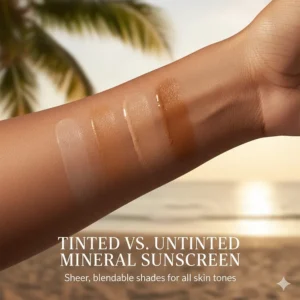
Shade matching remains challenging. Many brands offer one “universal” tint that works for light to medium skin tones but may look ashy on deep complexions. Progressive companies now provide multiple shades, recognizing that one-size-fits-all fails diverse consumers.
Application technique matters with tinted formulas. Pat and press rather than rubbing aggressively—this prevents streaking and ensures even coverage. Allow 30 seconds for the tint to settle before assessing the match. Many tints oxidize slightly as they interact with skin oils, so the final color may differ from initial application.
Zinc Oxide Sunscreen For Sensitive Skin: The Gentle Giant
Zinc oxide earns its reputation as the most gentle sunscreen active through multiple mechanisms. Its large molecular structure prevents absorption, reducing irritation risk. The mineral also possesses natural anti-inflammatory properties, explaining why it’s been used in diaper rash creams and calamine lotion for decades.
For rosacea-prone individuals, zinc oxide offers dual benefits—UV protection prevents flare-ups while the mineral itself helps calm existing redness. Dermatologists often recommend mineral formulas for post-procedure care because they won’t interfere with healing or cause stinging on compromised skin barriers.
Acne-prone skin benefits too. Zinc oxide is non-comedogenic by nature and exhibits mild antimicrobial properties that may help reduce acne-causing bacteria. Unlike heavy chemical formulas that trap oil and sweat, well-formulated mineral sunscreens allow skin to breathe while protecting.
Those with eczema or atopic dermatitis should seek fragrance-free mineral options. Chemical preservatives and added scents can trigger reactions in hypersensitive skin. Look for formulas with soothing additions like colloidal oatmeal, ceramides, or chamomile extract.
Reef-Safe Mineral Sunscreen Face Formulas That Protect Oceans
Ocean ecosystems face mounting pressure from climate change, pollution, and yes—sunscreen chemicals. Research published in Archives of Environmental Contamination and Toxicology demonstrated that oxybenzone and octinoxate cause coral bleaching even at low concentrations. Hawaii and several Caribbean nations have banned these chemicals from sunscreens.
Reef-safe doesn’t have an FDA definition, but generally refers to formulas free from oxybenzone, octinoxate, and other chemicals harmful to marine life. Mineral sunscreens naturally fit this category since zinc oxide and titanium dioxide don’t bioaccumulate in aquatic organisms.
However, nuance exists. Some studies suggest that even zinc nanoparticles could potentially impact coral health under certain conditions. This makes non-nano formulations the most conservative choice for ocean lovers. Additionally, avoiding spray sunscreens at the beach prevents aerosol particles from dispersing into water before you even enter.
Water resistance ratings help too. Products that maintain protection for 80 minutes mean less frequent reapplication and less sunscreen washing into surrounding waters. When possible, apply sunscreen 15 minutes before beach arrival to allow it to fully bind to skin.
How To Choose The Right Clean Beauty Sunscreen
Clean beauty sunscreen prioritizes transparency, sustainable sourcing, and minimal synthetic ingredients. Start by examining the active ingredient list—mineral-only formulas align with clean beauty principles since zinc oxide and titanium dioxide are naturally derived minerals.
Inactive ingredients deserve scrutiny too. Seek products free from parabens, phthalates, synthetic fragrances, and petrochemicals. Plant-based oils like coconut, jojoba, and sunflower provide elegant textures while nourishing skin. Antioxidants such as vitamin E, green tea extract, and CoQ10 offer complementary protection against environmental stressors.
Certifications help navigate the clean beauty landscape. Look for USDA Organic, Leaping Bunny (cruelty-free), EWG Verified, and Made Safe seals. These third-party validations ensure products meet rigorous standards for ingredient safety and environmental impact.
Packaging matters in clean beauty philosophy. Glass containers, post-consumer recycled plastic, and minimalist designs reduce environmental footprint. Some brands now offer refillable options or concentrate formulas that minimize waste.
Remember that “clean” doesn’t automatically mean “better” for your skin. Some people react to natural ingredients like essential oils or botanicals. The ideal clean sunscreen balances conscientious formulation with effectiveness and your personal skin compatibility.
Application Tips For Flawless Mineral Sunscreen Results
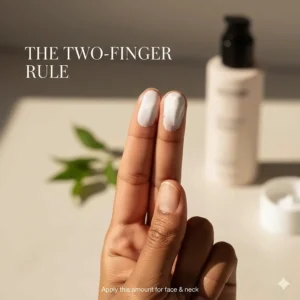
Even the best mineral sunscreen without white cast requires proper application technique. Start with the correct amount—dermatologists recommend approximately 1/4 teaspoon for face and neck. Most people use far less, which dramatically reduces actual SPF protection.
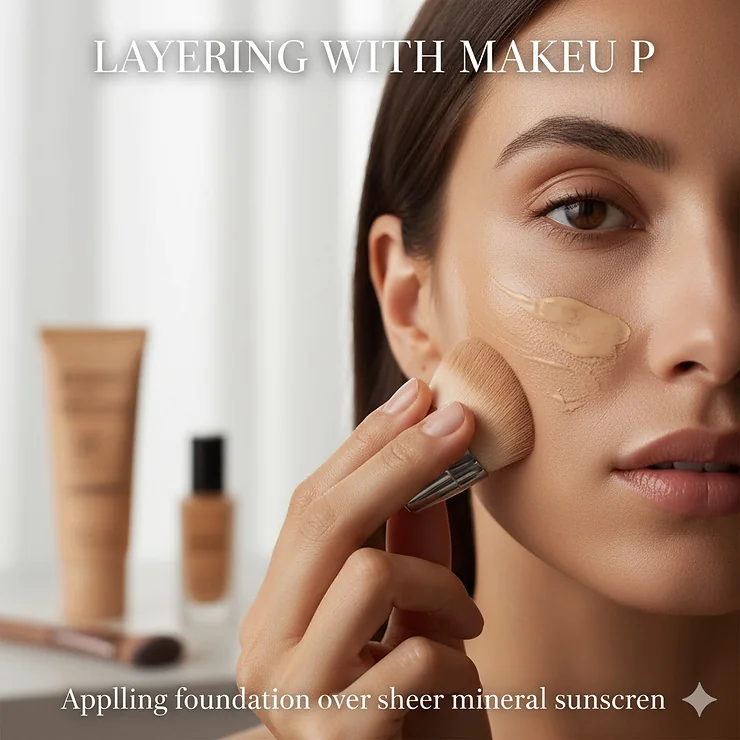
Apply to clean, dry skin as the final step in your morning skincare routine. If using tinted formulas, consider skipping your regular moisturizer or opt for a lightweight gel version to prevent layering conflicts. Give each product 30-60 seconds to absorb before adding the next.
The pressing method works wonders for mineral sunscreens. Dispense product into palms, rub hands together to warm it slightly, then press and pat onto face in sections rather than rubbing vigorously. This prevents streaking and helps the formula settle evenly without disturbing underlying skincare.
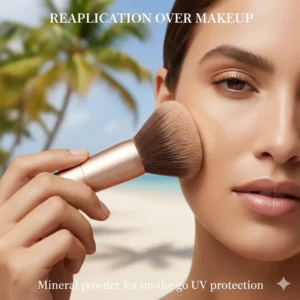
For reapplication over makeup, try mineral powder sunscreens or stick formulas that won’t disrupt your look. Alternatively, face mists with SPF provide light coverage, though they’re best used as supplements rather than primary protection.
Don’t forget often-missed spots: ears, hairline, jawline, and neck. These areas receive significant sun exposure but rarely get adequate coverage. A hand mirror helps check for streaks or uneven application before heading out.
Common Mistakes To Avoid With Physical Sunscreens
The biggest mistake? Using insufficient product. Studies show most people apply only 25-50% of the recommended amount, cutting their protection to a fraction of the labeled SPF. If you feel like you’re using too much, you’re probably using the right amount.
Skipping reapplication ranks second. Even water-resistant formulas require reapplication every two hours during sun exposure, immediately after swimming or heavy sweating, and after towel drying. Set phone reminders if needed—your future self will thank you.
Mixing incompatible products causes problems too. Some chemical exfoliants and retinoids can interfere with mineral sunscreen adhesion. Apply active treatments at night, and keep morning routines simple with vitamin C or hyaluronic acid that complement sun protection.
Expecting instant blending leads to frustration. Mineral formulas need 30-60 seconds to settle and neutralize their initial appearance. Patience prevents over-application and that telltale white residue from using too much product too quickly.
Finally, using expired sunscreen compromises protection. Most sunscreens maintain effectiveness for three years from manufacture, but check the expiration date. If the formula smells off, has separated, or changed texture, replace it regardless of the date.
Addressing Hyperpigmentation With Mineral Formulas
Hyperpigmentation—whether from sun damage, acne scarring, or melasma—requires diligent sun protection to prevent worsening. Mineral sunscreens excel here because they provide immediate, broad-spectrum coverage including UVA rays that trigger melanin production.
Tinted mineral formulas offer extra defense against visible light. Research in the Journal of the American Academy of Dermatology found that blue light from screens and indoor lighting can darken existing hyperpigmentation, especially in darker skin tones. Iron oxide pigments in tinted sunscreens filter this visible light spectrum.
Look for formulas enhanced with brightening ingredients. Niacinamide reduces melanin transfer to skin cells while strengthening the barrier. Vitamin C provides antioxidant protection and inhibits tyrosinase, the enzyme responsible for melanin production. Licorice root extract offers gentle brightening without irritation.
Consistency matters more than perfection with hyperpigmentation management. Even cloudy days require sun protection since UVA rays penetrate clouds and windows. Make sunscreen as automatic as brushing teeth—your dedication will show in gradual fading and prevention of new dark spots.
Pair your mineral sunscreen with evening treatments containing alpha hydroxy acids, retinoids, or prescription hydroquinone for comprehensive hyperpigmentation therapy. Dermatologists often recommend this day-night approach for optimal results.
❓ FAQ
❓ Does mineral sunscreen without white cast actually work as well as chemical sunscreen?
❓ How often should I reapply zinc oxide sunscreen for sensitive skin during outdoor activities?
❓ Can I use tinted mineral sunscreen reviews to find the best shade for my skin tone?
❓ Is reef-safe mineral sunscreen face formula safe for babies and children?
❓ What's the difference between nano and non-nano zinc formula in terms of effectiveness?
Conclusion: Your Path To Perfect Sun Protection
Finding the right mineral sunscreen without white cast transforms sun protection from chore to pleasure. Whether you choose premium EltaMD for its flawless tinted finish, budget-friendly WindSkin for unbeatable value, or eco-conscious Badger for clean ingredients, you’re making a smart investment in skin health.
Remember that the best sunscreen is the one you’ll actually use every day. Don’t let past bad experiences with chalky formulas prevent you from discovering today’s innovative mineral options. The products in this guide represent significant advances in cosmetic elegance while maintaining the safety and effectiveness that zinc oxide sunscreen for sensitive skin users require.
Your specific needs—whether prioritizing reef-safe mineral sunscreen face formulas for vacation, seeking clean beauty sunscreen for everyday wear, or reading tinted mineral sunscreen reviews for hyperpigmentation concerns—should guide your choice. Each formula in this lineup excels in different categories while sharing the core benefit of invisible, reliable physical UV blocker protection.
Start with one product that matches your primary concern and price point. Give it two weeks of consistent use before deciding—mineral sunscreens often improve with technique as you learn your optimal application method. Your skin deserves protection that works with your lifestyle, not against it.
Recommended for You
- Best Korean Sunscreen for Oily Skin 2026
- 7 Best Pore Minimizer Serums That Actually Work 2026
- 7 Best Acne Spot Treatment for Hormonal Breakouts That Work Fast
Disclaimer: This article contains affiliate links. If you purchase products through these links, we may earn a small commission at no additional cost to you.
✨ Found this helpful? Share it with your friends! 💬🤗
