
In This Article
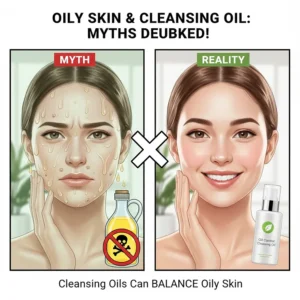
Here’s the plot twist nobody saw coming: if you’ve got oily skin, slathering more oil on your face might actually be the answer you’ve been looking for. I know, it sounds absolutely bonkers, right? But stick with me, because this counterintuitive skincare wisdom is rooted in solid science.
The beauty industry has spent decades convincing us that oil is the enemy of oily skin. We’ve been told to strip, scrub, and wage war against our sebaceous glands. But here’s what actually happens when you use harsh, oil-stripping cleansers: your skin panics. It goes into overdrive producing even more oil to compensate for what you’ve stripped away. You end up trapped in this vicious cycle where your face feels like an oil slick by lunchtime, no matter how aggressively you cleanse.
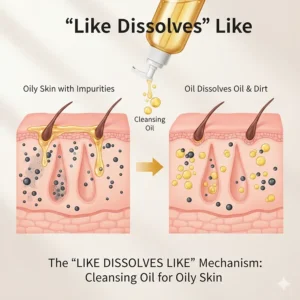
Enter cleansing oils – the sophisticated solution that works with your skin’s natural chemistry instead of against it. These formulations use the simple principle that like dissolves like. The oil-based cleanser gently binds to excess sebum, makeup, sunscreen, and all that gunk clogging your pores, then emulsifies with water to rinse away cleanly. No harsh stripping, no tight uncomfortable feeling, just clean, balanced skin. According to research published in the National Institutes of Health, gentle cleansing formulations can actually support skin barrier function rather than compromise it.
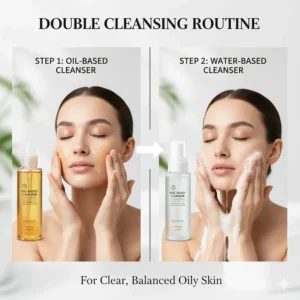
The magic really happens when cleansing oils become part of your double cleansing routine – a foundational Korean skincare method that’s revolutionized how we think about facial cleansing. The first cleanse with an oil-based product removes oil-based impurities, while the second water-based cleanse tackles sweat and dirt. Your skin stays balanced, your pores breathe easier, and that perpetual shine? It finally starts to calm down.
Quick Comparison Table
| Product | Size | Price Range | Key Ingredient | Best For |
|---|---|---|---|---|
| Anua Heartleaf | 6.76 fl oz | $16-20 | Heartleaf Extract | Sensitive oily skin, blackheads |
| SKIN1004 Centella | 6.76 fl oz | $17-18 | Centella Asiatica | Calming, lightweight cleanse |
| DHC Deep Cleansing | 6.7 fl oz | $28 | Organic Olive Oil | Japanese skincare enthusiasts |
| MANYO Pure | 6.7 fl oz | $18-20 | 14 Plant Oils | Blackhead melting |
| Beauty of Joseon | 7.1 fl oz | $20-22 | Ginseng + Soybean | Antioxidant boost |
| The Ordinary Squalane | 5.1 fl oz | $16-21 | Squalane | Budget-friendly |
| Hanskin PHA | 10.14 oz | $20-25 | PHA + Jojoba | Gentle exfoliation |
💬 Just one click – help others make better buying decisions too! 😊
Top 7 Best Cleansing Oil for Oily Skin: Expert Analysis
1. Anua Heartleaf Pore Control Cleansing Oil
This Korean skincare phenomenon has taken over the beauty world for good reason. The Anua Heartleaf Pore Control Cleansing Oil features 10,000ppm of heartleaf extract, which brings powerful anti-inflammatory and antibacterial benefits to the table. If your oily skin tends toward sensitivity or redness, this is your new best friend.
Key Specifications:
- Non-comedogenic formula tested
- Lightweight texture that emulsifies beautifully
- Hypoallergenic with no eye stinging
Customers rave about how effectively it dissolves blackheads and excess sebum without leaving any greasy residue. One reviewer mentioned they could actually see sebaceous filaments on their fingertips after massaging for 3-4 minutes around the nose area – satisfying and effective.
Price: $16.81 (6.76 fl oz)
✅ Non-irritating for sensitive oily skin
✅ Melts blackheads effectively
✅ Affordable price point
❌ Contains fragrance (though natural)
❌ May need double cleanse follow-up

2. SKIN1004 Madagascar Centella Light Cleansing Oil
The SKIN1004 Madagascar Centella Light Cleansing Oil brings the power of pure Madagascan centella asiatica to your cleansing routine. With 10,000ppm of centella extract and just 11 carefully selected ingredients, this minimalist formula packs a serious punch for oily, acne-prone skin.
Key Specifications:
- Watery, non-comedogenic texture
- 6 plant-derived oils for nourishment
- Centella extract for soothing irritation
The lightweight formula glides onto skin effortlessly and emulsifies into a milky consistency that rinses completely clean. Users with oily skin particularly appreciate how it removes waterproof makeup and sunscreen without leaving any film behind.
Price: $17-18 (6.76 fl oz)
✅ Perfect for beginners to oil cleansing
✅ Calms inflammation
✅ Removes heavy makeup easily
❌ Contains bergamot oil (potential sensitivity)
❌ Takes time to warm up in hands
3. DHC Deep Cleansing Oil
The cult-classic DHC Deep Cleansing Oil has been a Japanese beauty staple since the brand launched in 1972. This bestseller uses 100% organic olive oil as its base ingredient, providing both cleansing power and skin-nourishing antioxidants.
Key Specifications:
- 100% organic olive oil formula
- Enriched with vitamin E
- Delicate natural rosemary aroma
Based on the principle that like attracts like, this rich golden oil binds with dirt and dissolves even stubborn waterproof mascara without clogging pores. The water-soluble formula rinses away with zero oily residue, leaving skin soft and nurtured rather than stripped.
Price: $28 (6.7 fl oz)
✅ Established reputation since 1972
✅ Luxurious spa-like experience
✅ Powerful makeup removal
❌ Higher price point
❌ Heavier texture may not suit all oily skin
4. MANYO Pure Cleansing Oil
With over 20 million units sold, the MANYO Pure Cleansing Oil has earned its place as Korea’s #1 cleansing oil. This powerhouse formula features 14 essential plant-derived oils, including argan, jojoba, and olive oil, all working together to melt away blackheads while maintaining your skin’s pH balance.
Key Specifications:
- 14 plant-derived oils blend
- Dermatologist-tested, vegan-certified
- Removes 99.74% of pollution and dust
The rich texture provides a luxurious massage experience, and customers report visible reduction in blackheads with consistent use. The formula contains argan kernel oil packed with vitamin E and antioxidants for anti-inflammatory benefits.
Price: $18-20 (6.7 fl oz)
✅ Highly effective blackhead treatment
✅ Non-comedogenic for acne-prone skin
✅ Natural preservatives
❌ Requires thorough emulsification
❌ Natural scent may not appeal to everyone
5. Beauty of Joseon Ginseng Cleansing Oil
The Beauty of Joseon Ginseng Cleansing Oil combines traditional Korean herbal ingredients with modern micellar technology. With 50% soybean oil and 0.1% ginseng seed oil, this cleanser dissolves impurities while protecting skin from environmental stressors.
Key Specifications:
- Micellar technology for gentle cleansing
- 50% soybean oil base
- Subtle fresh grass scent from ginseng
The lightweight, runny texture makes application smooth and effortless. Studies show it’s non-irritating based on 24-hour patch testing, making it suitable for even those with reactive oily skin. Users love how it removes waterproof makeup without any tugging or residue.
Price: $20-22 (7.1 fl oz / 210ml)
✅ Larger size offers great value
✅ Antioxidant-rich formula
✅ No oily film left behind
❌ May need reapplication for heavy makeup
❌ Packaging can be messy
6. The Ordinary Squalane Cleanser
Budget-friendly without compromising quality, The Ordinary Squalane Cleanser offers a brilliant introduction to cleansing balms. This soap-free, non-comedogenic formula uses plant-derived squalane to remove makeup and impurities while supporting your skin’s moisture barrier.
Key Specifications:
- Plant-derived squalane base
- Balm-to-oil texture
- Free from alcohol, silicones, and sulfates
The thick, rich texture needs to be warmed between your hands before application, transforming into an oil-like consistency that massages beautifully onto dry skin. According to skin barrier research, squalane-based cleansers can help maintain skin integrity during the cleansing process.
Price: $16-21 (5.1 fl oz)
✅ Extremely affordable
✅ Simple, effective formula
✅ Suitable for all skin types
❌ Smaller size than competitors
❌ Takes time to warm up
7. Hanskin Pore Cleansing Oil PHA
The Hanskin Pore Cleansing Oil PHA stands out with its unique formulation featuring polyhydroxy acids, making it the gentlest exfoliating option for sensitive oily skin. This gel-type oil texture offers the perfect balance between thorough cleansing and skin kindness.
Key Specifications:
- PHA for gentle exfoliation
- 10.14 oz generous size
- Tea tree leaf oil for breakout prevention
The dermatologist-tested formula lightly exfoliates while removing makeup and dissolving blackheads. Multiple users report no eye irritation even when removing waterproof mascara, making it ideal for those with reactive skin around the eye area.
Price: $20-25 (10.14 oz)
✅ Largest size available
✅ Gentle enough for daily use
✅ No synthetic fragrance
❌ Natural herbal scent is divisive
❌ May leave slight residue if not fully rinsed
✨ Don’t Miss These Exclusive Deals!
🔍 Take your skincare to the next level with these carefully selected products. Click on any highlighted item to check current pricing and availability. These cleansing oils will help you achieve balanced, clear skin your friends will envy!
Understanding How Oil Cleansing Works for Oily Skin
The science behind oil cleansing is actually pretty straightforward once you understand the basic chemistry. Your skin produces sebum, which is an oily substance designed to protect and moisturize. Throughout the day, this sebum mixes with makeup, sunscreen, environmental pollutants, and dead skin cells to create a cocktail of gunk that sits on your skin surface and inside your pores.
Traditional foam cleansers use harsh surfactants to strip everything away – including your skin’s natural protective oils. This triggers your sebaceous glands to kick into overdrive, producing even more oil to compensate. You’re basically teaching your skin to be oilier by trying to control the oil. It’s counterproductive and frustrating.
Oil-based cleansers take a completely different approach. They use the principle that like dissolves like. The oils in your cleanser bind to the oils on your face (sebum, makeup, sunscreen) through a process called emulsification. When you add water and massage, these bound oils transform into tiny droplets that rinse away cleanly, taking all those impurities with them.
The key difference? Oil cleansers don’t strip your skin’s natural barrier. They work in harmony with your skin’s chemistry, gently removing what needs to go while leaving the good stuff intact. Over time, your skin learns it doesn’t need to overproduce oil because its natural barrier isn’t being constantly attacked. The result is balanced, healthy skin that produces just the right amount of sebum.
What Makes a Cleansing Oil Suitable for Oily Skin?
Not all cleansing oils are created equal, especially when you’re dealing with oily or acne-prone skin. The wrong formula can leave you feeling greasy, clog your pores, or even trigger breakouts. Here’s what separates the champions from the pretenders:
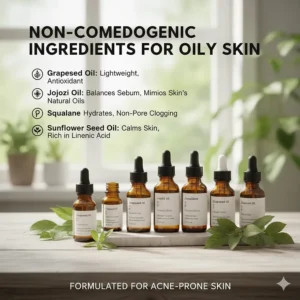
Non-comedogenic oils are non-negotiable. You want lightweight oils that won’t clog your pores. Jojoba oil is brilliant because it closely mimics your skin’s natural sebum. Grapeseed oil offers anti-inflammatory benefits without heaviness. Sunflower seed oil provides moisture without greasiness. On the flip side, coconut oil and certain rich oils can spell disaster for oily, acne-prone skin.
The emulsification factor matters immensely. A proper cleansing oil should turn milky white when you add water and massage. This emulsification process is what allows the oil to rinse away completely. If you’re left with a greasy film after rinsing, that formula isn’t properly emulsifying, and it’s not right for you.
Active ingredients can level up your cleanse. Ingredients like heartleaf extract, centella asiatica, or PHAs (polyhydroxy acids) bring additional benefits beyond basic cleansing. They can calm inflammation, gently exfoliate, or target specific concerns like blackheads and congestion. These extras transform a simple cleanse into a treatment step.
Texture preference is personal but important. Some cleansing oils have a watery, lightweight consistency that’s perfect if you’re hesitant about the whole “oil on face” concept. Others are richer and more luxurious, ideal for thorough makeup removal. Match the texture to your comfort level and how much you need to remove daily.
The Complete Double Cleansing Method for Oily Skin
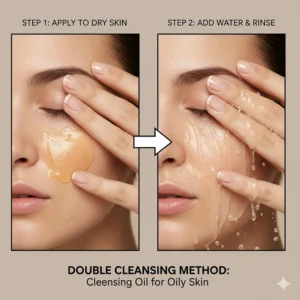
Double cleansing isn’t just a trendy K-beauty practice – it’s a methodical approach to achieving genuinely clean skin without compromise. The double cleansing technique involves using an oil-based cleanser followed by a water-based one, addressing different types of impurities in the proper sequence.
Step 1: The Oil Cleanse
Start with completely dry hands and a dry face. Yes, dry! This is crucial because water interferes with the oil’s ability to bind to sebum and makeup. Pump 2-3 times of your chosen cleansing oil into your palms and gently massage it onto your face using circular motions.
Take your time here – this isn’t a race. Spend at least 60-90 seconds massaging, paying special attention to areas where you have congestion, blackheads, or heavy makeup. Your nose, chin, and forehead typically need extra love. You might actually feel the grit of sunscreen and makeup dissolving under your fingertips.
Now here’s the emulsification magic: wet your hands slightly and continue massaging. The oil should turn milky white as it emulsifies. This milky stage is essential – it’s what allows everything to rinse away cleanly. Rinse thoroughly with lukewarm water until no oil residue remains.
Step 2: The Water-Based Cleanse
Follow immediately with your regular water-based cleanser. This second cleanse removes any remaining impurities, sweat, and ensures your skin is completely clean. Choose a gentle, low-pH cleanser that won’t strip your skin after the oil cleanse has done the heavy lifting.
Frequency Matters
Double cleanse in the evening when you’ve worn makeup, sunscreen, or spent time outdoors. In the morning, a simple water-based cleanse is typically sufficient since you haven’t accumulated the oil-based impurities that require oil cleansing.
Key Ingredients to Look for in Cleansing Oils
Lightweight Plant Oils
Jojoba Oil stands out as a superstar for oily skin because its molecular structure closely mimics human sebum. This similarity means your skin recognizes it as familiar rather than foreign, reducing the likelihood of clogged pores or breakouts. It’s naturally antibacterial and helps regulate sebum production over time.
Grapeseed Oil brings anti-inflammatory properties to the party while being incredibly lightweight. Rich in linoleic acid, it’s particularly beneficial for acne-prone skin because studies suggest that oily, acne-prone skin is often deficient in linoleic acid.
Sunflower Seed Oil is another lightweight champion packed with vitamin E and fatty acids that help maintain your skin’s barrier function. It’s non-comedogenic and provides moisture without feeling heavy or greasy.
Soothing and Calming Botanicals
Heartleaf Extract (Houttuynia Cordata) has become increasingly popular in Korean skincare for good reason. This botanical powerhouse offers antibacterial and anti-inflammatory benefits, making it perfect for calming irritated, acne-prone oily skin. It helps reduce redness and soothes inflammation without any harsh side effects.
Centella Asiatica has been used in traditional medicine for centuries to heal wounds and calm inflammation. In cleansing oils, it helps strengthen your skin barrier while providing soothing relief from any irritation or redness. Its ability to stimulate the production of hyaluronic acid in the skin makes it a hydration multitasker as well.
Green Tea Extract brings powerful antioxidants to fight free radical damage while offering sebum-controlling properties. It’s particularly beneficial for oily skin that’s prone to environmental stress and oxidation.
Gentle Exfoliants
PHA (Polyhydroxy Acids) represent the gentlest family of chemical exfoliants, perfect for sensitive oily skin. Unlike their more aggressive cousins (AHAs and BHAs), PHAs have larger molecules that don’t penetrate as deeply, minimizing irritation while still providing gentle exfoliation and helping to clear pores.
Tea Tree Oil in small concentrations can help control breakouts thanks to its natural antibacterial properties. However, it should be used sparingly and in proper dilution – a little goes a long way.
Common Mistakes to Avoid with Oil Cleansing
Using Too Little Product
This is probably the most common error people make when starting oil cleansing. You need enough product to create a proper slip across your face. Skimping on the amount means you’ll tug at your skin, potentially causing irritation or not effectively removing all impurities. Don’t be shy – 2-3 pumps is typically the sweet spot.
Rushing the Massage
Oil cleansing works through gentle, thorough massage that allows the oils to bind with impurities. If you’re slapping it on and rinsing off within 20 seconds, you’re missing the entire point. Take at least 60-90 seconds to massage your face properly. This is also a lovely moment of self-care in your day.
Skipping the Emulsification Step
This is where the magic happens, and you absolutely cannot skip it. After massaging the oil into dry skin, you must wet your hands and continue massaging to emulsify the oil (turning it milky white) before rinsing. Skipping this step means the oil won’t rinse cleanly, leaving you with that greasy feeling everyone fears.
Not Following with a Water-Based Cleanser
Oil cleansing is meant to be the first step in double cleansing, not a standalone cleanser for oily skin. The oil cleanse removes oil-based impurities; the water-based cleanse removes everything else. Skipping the second cleanse can leave residue that might clog pores over time.
Choosing the Wrong Oil for Your Skin Type
Not all oils are suitable for oily, acne-prone skin. Heavy oils like coconut oil or certain nut oils can cause congestion and breakouts. Stick with lightweight, non-comedogenic oils specifically formulated for your skin type. Check the ingredient list carefully.
Using Hot Water
Lukewarm water is your friend here. Hot water can strip your skin and potentially damage your moisture barrier, while cold water won’t effectively rinse away the emulsified oil. Stick with comfortable, lukewarm water temperature.
Building Your Complete Oily Skin Routine Around Oil Cleansing
Oil cleansing doesn’t exist in isolation – it’s part of a comprehensive skincare routine designed to keep your oily skin balanced and healthy. Here’s how to build an effective regimen around your cleansing oil:
Morning Routine (Simplified)
Your skin hasn’t accumulated oil-based impurities overnight, so there’s no need for oil cleansing in the morning. A gentle water-based cleanser is sufficient. Follow with a lightweight toner to balance pH, a hydrating serum with ingredients like hyaluronic acid or niacinamide, and always finish with SPF. Yes, even oily skin needs sunscreen – choose a lightweight, matte-finish formula designed for oily skin.
Evening Routine (The Full Treatment)
This is where oil cleansing shines. Start with your oil cleanser to remove sunscreen, makeup, and excess sebum. Follow with a water-based cleanser to complete the double cleanse. Next, apply a gentle toner or essence to prep your skin for treatment products.
For oily skin, consider incorporating a treatment serum with niacinamide (excellent for oil control and pore refinement) or a gentle chemical exfoliant like BHA 2-3 times per week. Finish with a lightweight, oil-free moisturizer. Yes, oily skin needs moisturizer too – skipping it triggers more oil production.
Weekly Treatments
Complement your routine with a clay mask once or twice weekly to deep-clean pores. Choose masks with kaolin or bentonite clay that draw out impurities without over-drying. The combination of regular oil cleansing and occasional clay masking creates a balanced approach to managing oily skin.
Oil Cleansing vs Traditional Cleansers: What Science Says
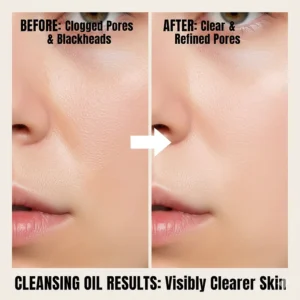
Studies comparing cleansing methods have revealed some fascinating insights. Research published in medical journals demonstrates that cleansing oils, particularly for removing waterproof sunscreen, significantly outperform traditional foam cleansers. In one study, cleansing oil removed waterproof sunscreen with a residue rate of just 5.8%, compared to 36.8% for regular cleansers.
More importantly, participants using cleansing oil reported less skin dryness and irritation compared to those using traditional foaming cleansers. This suggests that the fear of oils causing more oiliness is largely unfounded – in fact, the opposite appears true.
The science behind this lies in how different cleansers interact with your skin barrier. Harsh surfactants in traditional cleansers can damage skin proteins and lipids, leading to barrier disruption, dryness, and reactive sebum overproduction. Oil-based cleansers, by contrast, remove impurities while maintaining barrier integrity.
Research also shows that pH matters significantly. Many traditional cleansers have alkaline pH levels that disrupt your skin’s natural pH of around 5.5. This disruption can compromise your acid mantle and make skin more susceptible to bacterial overgrowth and inflammation. Quality cleansing oils tend to be pH-balanced, working in harmony with your skin’s natural state.
Real Results: What to Expect Timeline
Week 1-2: The Adjustment Period
Your skin might feel different – maybe even a bit confused. If you’ve been using harsh, stripping cleansers for years, your skin needs time to adjust to this gentler approach. Some people experience a minor purge as congestion works its way out, while others notice immediate improvement. Don’t panic if you see a few breakouts; this is often your skin clearing out deeply-lodged impurities.
Your oil production might not change dramatically yet, but you should notice your skin feels cleaner without that tight, uncomfortable sensation you get with foaming cleansers.
Week 3-4: Finding Balance
This is when the real magic starts happening. Many people report their skin feels noticeably more balanced. That afternoon oil slick situation starts improving. Your skin learns it doesn’t need to overproduce sebum because you’re not constantly stripping its natural oils.
Pores often look smaller and less congested. Those stubborn blackheads on your nose start loosening. The overall texture of your skin improves as you’re removing buildup more effectively than ever before.
Month 2-3: The Sweet Spot
By this point, oil cleansing has become second nature. Your skin has fully adjusted and balanced out. You’ll likely notice reduced breakouts, smaller-looking pores, and more even skin texture. The chronic oiliness that plagued you before has transformed into a healthy, balanced glow.
Your makeup goes on smoother because your skin texture has improved. That rough, bumpy feeling from congested pores has diminished significantly.
Long-Term Benefits (6+ Months)
With consistent use, oil cleansing contributes to overall skin health and resilience. Your skin barrier becomes stronger, making you less prone to sensitivity and irritation. Blackheads become much less frequent and easier to manage. The chronic inflammation that often accompanies oily, acne-prone skin calms down significantly.
You might even find you need less makeup because your skin simply looks better. The clarity, texture, and balance achieved through proper oil cleansing creates a genuine healthy glow that no highlighter can replicate.
Frequently Asked Questions
❓ Will cleansing oil make my already oily skin worse?
❓ How often should I use cleansing oil on oily skin?
❓ Can I skip the second cleanse after using cleansing oil?
❓ What's the difference between cleansing oil and micellar water?
❓ How do I know if a cleansing oil is working properly?
Conclusion: Finding Your Perfect Match
The journey to balanced, healthy skin when you have an oily complexion doesn’t have to involve harsh treatments or aggressive products. Cleansing oils represent a paradigm shift in how we approach oily skin care – working with your skin’s natural chemistry rather than waging war against it.
From the budget-friendly The Ordinary Squalane Cleanser to the cult-classic DHC Deep Cleansing Oil, each product we’ve explored brings something unique to the table. The Anua Heartleaf Pore Control Cleansing Oil excels for sensitive, blackhead-prone skin, while the SKIN1004 Madagascar Centella Light Cleansing Oil offers minimalist purity. The MANYO Pure Cleansing Oil delivers powerhouse blackhead-melting action, and the Beauty of Joseon Ginseng Cleansing Oil combines tradition with modern micellar technology. For those seeking gentle exfoliation, the Hanskin Pore Cleansing Oil PHA provides the perfect balance.
The science is clear: proper cleansing with the right oil-based formula can transform oily skin from frustration to glowing confidence. Give your skin at least 4-6 weeks to adjust to this new approach. Be patient with the process, stay consistent with double cleansing, and choose a formula aligned with your specific skin needs.
Your skin’s natural intelligence knows how to achieve balance – sometimes it just needs the right tools to get there. An effective cleansing oil might just be the missing piece in your skincare puzzle.
Recommended for You
- 7 Best Coral Nail Polish Shades That’ll Make Your Nails Pop in 2025
- 7 Best Dark Brown Nail Polish Shades 2025 – Expert Reviews
- 7 Best Brown Nail Polish Colors for 2025 (Trending Shades)
Disclaimer: This article contains affiliate links. If you purchase products through these links, we may earn a small commission at no additional cost to you.
✨ Found this helpful? Share it with your friends! 💬🤗
