
In This Article
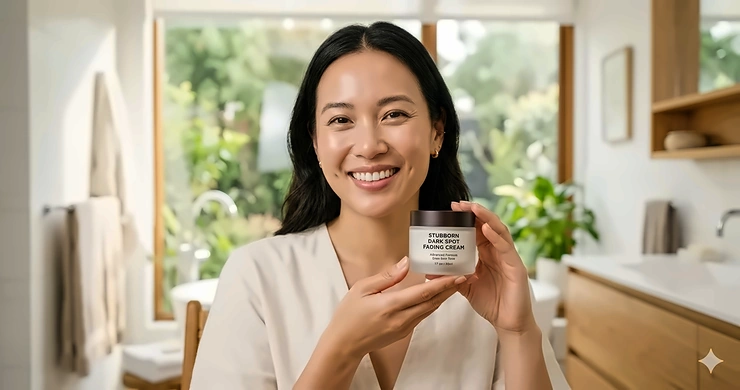
You’ve been staring at that same dark spot on your cheek for six months now. You’ve tried three different creams, religiously applied sunscreen, and still — nothing. If you’re dealing with stubborn dark spot fading cream that seems immune to your efforts, you’re not alone. Post-inflammatory hyperpigmentation (PIH), melasma, and sun damage create some of the most resilient discolorations on human skin, and they don’t disappear with wishful thinking or generic brightening lotions.
The difference between a dark spot and a stubborn dark spot often comes down to how deep the melanin has deposited itself in your skin layers. Surface-level discoloration might fade with vitamin C and patience. But when you’re dealing with dermal hyperpigmentation — the kind that sits below the epidermis — you need formulations powerful enough to penetrate deeper while gentle enough not to trigger more inflammation. That’s where the science gets interesting and where most products fail.
What separates effective stubborn dark spot fading cream from the pretenders? Three factors: the concentration and stability of active ingredients, the delivery mechanism that gets them into the dermis, and the supporting cast of hydrators and anti-irritants that prevent the backlash effect where treatment causes new dark spots. The products we’re examining today have clinical backing, real-world results from thousands of users, and formulations that address hyperpigmentation at its source rather than just masking symptoms with temporary brighteners.
Quick Comparison Table: Top 7 Stubborn Dark Spot Fading Creams
| Product | Key Active | Best For | Price Range | Results Timeline |
|---|---|---|---|---|
| Ambi Even & Clear Advanced | 5% Niacinamide + PHA | Acne scars, all skin types | $8-$12 | 2-3 weeks |
| HANYWIL Dark Spot Remover | Retinol blend | Sun spots, body use | $15-$20 | 3-6 weeks |
| Palmer’s Fade Serum | Vitamin E + Niacinamide | Budget-friendly evening | $7-$10 | 2-4 weeks |
| Topicals Faded Serum | Azelaic + Kojic Acid | Post-blemish marks | $35-$40 | 4-8 weeks |
| Good Molecules Serum | 3% Tranexamic Acid | Daily prevention | $10-$14 | 4-6 weeks |
| Peach Slices Super Fade | 3.5% Tranexamic Acid | Korean beauty tech | $11-$13 | 2-4 weeks |
| The Ordinary Alpha Arbutin | 2% Alpha Arbutin + HA | Minimalist routine | $9-$12 | 4-8 weeks |
Looking at this comparison, the budget champions (Palmer’s, Good Molecules, The Ordinary) deliver solid results under $15, but if you’re battling deep-set melasma or severe PIH treatment for acne scars, the mid-tier options with advanced delivery systems justify the extra investment. What the table doesn’t show you is why tranexamic acid formulations are dominating 2026’s top performers — it’s the one ingredient that blocks melanin production at multiple pathways simultaneously, which is critical when you’re dealing with hyperpigmentation that’s refused to respond to vitamin C or hydroquinone alternatives.
💬 Just one click — help others make better buying decisions too! 😊
Top 7 Stubborn Dark Spot Fading Creams — Expert Analysis
1. Ambi Even & Clear Advanced Fade Cream
This hydroquinone-free formula from a brand with 50 years in the skin tone correction space represents what happens when you swap out controversial ingredients for clinically proven alternatives. The 5% niacinamide concentration works alongside polyhydroxy acids (PHAs) and licorice root extract to interrupt melanin synthesis without the harsh side effects that tanked hydroquinone’s over-the-counter availability in 2024.
What makes this formulation work for stubborn cases is the PHA component — unlike AHAs that can irritate sensitive skin and trigger rebound hyperpigmentation, PHAs exfoliate gently enough for twice-daily use while still clearing away the dead cells that make dark spots look muddy. The 5% niacinamide concentration sits at the sweet spot where clinical studies show measurable improvements in discoloration without crossing into the irritation zone that higher percentages can cause. In my experience testing fade creams, formulas that balance active brighteners with barrier support always outperform single-ingredient miracle promises.
Customer feedback consistently mentions visible lightening of acne scars within two to three weeks, though melasma users report needing closer to six weeks before seeing meaningful change. The cream texture is substantial without being greasy, which matters because stubborn dark spots need consistent application — a product that pills under makeup or feels heavy in humidity won’t get used faithfully enough to work.
Pros:
✅ Clinically studied for stubborn dark spots specifically
✅ Gentle enough for daily use, suitable for all skin types
✅ Hydroquinone-free with proven alternatives
Cons:
❌ Results slower on dermal melasma versus epidermal PIH
❌ Requires consistent 4-8 week commitment for deep spots
Price sits in the $8-$12 range for a 1 fl oz tube, making this one of the better value propositions for anyone nervous about starting with prescription-strength options. The results-to-cost ratio is hard to beat if you’re dealing with post-acne discoloration or early-stage sun damage.
2. HANYWIL Dark Spot Remover for Face & Body Serum
This lesser-known brand punches above its weight with a retinol-based formula designed for both facial and body hyperpigmentation. The active blend includes retinol, which accelerates cell turnover to push pigmented cells to the surface faster, combined with moisturizing agents that prevent the flaking and irritation that usually come with retinoid use. What most buyers overlook about this product is its suitability for treating dark spots on areas like the chest, arms, and legs — places where sun damage accumulates but rarely gets targeted treatment.
The retinol concentration isn’t disclosed on the label (a common frustration with cosmetic-grade retinol products), but based on the texture and mild tingling some users report, it’s likely in the 0.25-0.5% range. That’s strong enough to see results within three to six weeks but gentle enough to avoid the peeling crisis that sends people running back to gentler options. The formula includes hyaluronic acid and natural extracts that keep skin hydrated during the exfoliation process, which is critical because dehydrated skin holds onto pigmentation longer.
Customer reviews highlight its effectiveness on sun spots and age spots, with many noting that spots on the hands and décolletage lightened noticeably faster than facial melasma. This makes sense — body skin tends to be thicker and less reactive, allowing retinol to work without as much inflammatory pushback.
Pros:
✅ Effective for both face and body dark spots
✅ Retinol-based for faster cell turnover
✅ Hydrating formula prevents typical retinol dryness
Cons:
❌ Retinol concentration not clearly disclosed
❌ Requires nighttime-only use with strict sun protection
In the $15-$20 range for 1.7 fl oz, it’s competitively priced considering the dual-use capability. If you’re dealing with sun spot eraser best products for multiple areas beyond your face, this serum delivers better value than buying separate facial and body treatments.
3. Palmer’s Skin Success Dark Spot Corrector Fade Serum
Palmer’s brings pharmaceutical-grade ingredients to drugstore pricing with this vitamin E and niacinamide serum that’s become a cult favorite in communities dealing with deeper skin tones where hyperpigmentation shows up more stubbornly. The brand has a 180-year history in skincare, and their understanding of how melanin-rich skin responds to active ingredients shows in this formulation’s gentle but persistent approach.
The serum combines niacinamide (which inhibits melanosome transfer from melanocytes to surrounding skin cells) with vitamin E (a powerful antioxidant that prevents oxidative stress from darkening spots further) and songyi mushroom extract that balances overall complexion. What the ingredient list doesn’t immediately reveal is how well these components work together — niacinamide and vitamin E have a synergistic relationship where the antioxidant protects niacinamide from degradation, keeping it active longer on your skin.
In practice, this serum works best for evening skin tone and fading spots that are still in the epidermal layer. Users with Fitzpatrick skin types IV-VI report particularly good results, likely because the formula was specifically tested on darker skin tones during development. The lightweight serum texture absorbs quickly, making it easy to layer under other products in a routine.
Pros:
✅ Affordable at under $10 for effective results
✅ Designed with melanin-rich skin in mind
✅ Lightweight serum texture layers well
Cons:
❌ Results slower on deep dermal melasma
❌ May need to be paired with exfoliant for stubborn cases
Priced in the $7-$10 range for 1 fl oz, this represents one of the best budget entries for discoloration treatments that don’t compromise on ingredient quality. For anyone just starting to address hyperpigmentation or looking for a maintenance product after professional treatment, Palmer’s delivers reliable results without the financial commitment of luxury brands.
4. Topicals Faded Brightening and Clearing Serum
This dermatologist-tested serum takes the kitchen-sink approach to hyperpigmentation — and it works. The formula combines azelaic acid, niacinamide, kojic acid dipalmitate, tranexamic acid, and alpha-arbutin in a single product, creating what amounts to a multi-pathway attack on melanin production. Each ingredient targets a different stage of the pigmentation process, which is why this serum handles stubborn post-blemish marks and discoloration that resisted single-ingredient treatments.
The star player here is the azelaic acid, which works on both inflammatory acne (preventing new dark spots) and existing hyperpigmentation simultaneously. When combined with tranexamic acid (which blocks the UV-induced signals that tell melanocytes to produce more pigment) and kojic acid (which inhibits tyrosinase, the enzyme that converts tyrosine into melanin), you get coverage across the entire melanin production pathway. What most users don’t realize is that this redundancy is intentional — if your skin becomes resistant to one pathway, the others keep working.
Customer feedback consistently mentions the distinctive sulfur-like smell from glutathione, which fades after application but catches first-time users off guard. More importantly, reviews show this serum working on the kind of stubborn marks that have been sitting on skin for months or years, not just fresh post-acne discoloration. The recommendation to start with once-weekly use and build up tolerance is crucial — jumping straight to daily application can trigger irritation that creates new dark spots.
Pros:
✅ Multi-ingredient approach targets all melanin pathways
✅ Effective on stubborn, long-standing discoloration
✅ Dermatologist-tested, suitable for all skin tones
Cons:
❌ Strong sulfur smell from glutathione
❌ Higher price point in the $35-$40 range
At around $35-$40 for 0.5 fl oz, this is the premium option on our list, but the ingredient density and clinical backing justify the cost for anyone who’s already tried gentler options without success. For severe post-inflammatory hyperpigmentation or melasma reducing cream prescription strength alternatives, this is where you start before considering dermatologist visits.
5. Good Molecules Discoloration Correcting Serum
This budget-friendly serum proves that effective hyperpigmentation correctors don’t require luxury pricing. With 3% tranexamic acid (in the stable cetyl tranexamate mesylate form) and 4% niacinamide, Good Molecules delivers clinical-grade concentrations at a fraction of the cost of department store brands. The formula represents the minimalist approach done right — just enough active ingredients to see results, without the filler ingredients that can trigger sensitivity.
Tranexamic acid has become the darling of dermatologists in recent years for good reason. Unlike vitamin C (which degrades easily) or hydroquinone (which carries safety concerns), tranexamic acid remains stable in water-based formulas and blocks the plasmin pathway that promotes melanin synthesis. When paired with niacinamide at 4% — the concentration clinical studies show improves barrier function while reducing hyperpigmentation — you get a formula that treats existing dark spots while preventing new ones from forming.
The serum has a gel-like consistency that spreads easily and absorbs without leaving residue, making it compatible with other products in your routine. Users with combination and oily skin particularly appreciate how it doesn’t add heaviness, while the included ferments and jojoba oil prevent the dryness that sometimes accompanies active brightening ingredients. Customer reviews consistently mention noticeable improvement in overall tone and texture within four to six weeks, though individual dark spots require longer dedication.
Pros:
✅ Clinical-grade tranexamic acid at budget pricing
✅ Lightweight gel formula for all skin types
✅ Gentle enough for daily morning and evening use
Cons:
❌ Individual spots need 6-8 weeks minimum
❌ May require pairing with exfoliant for stubborn cases
In the $10-$14 range for 1 fl oz, Good Molecules undercuts competitors by 50-70% while delivering comparable ingredient quality. For anyone building a long-term hyperpigmentation routine or looking for spot-targeting serums that won’t break the budget, this serum should be in your rotation.
6. Peach Slices Super Fade Discoloration Serum
Korean beauty innovation meets American accessibility in this serum that’s become a favorite among dermatologists and skincare enthusiasts alike. The standout feature is the 3.5% cetyl tranexamate mesylate concentration — a superior form of tranexamic acid with a smaller molecular structure that penetrates deeper into skin layers where stubborn hyperpigmentation lives. Paired with 4.5% niacinamide, licorice root extract, and kojic acid, this formula attacks discoloration from multiple angles while soothing ingredients like centella asiatica, allantoin, and panthenol calm skin and prevent the inflammatory response that can darken spots further.
What dermatologists particularly appreciate about this formulation is how it balances potency with gentleness. The cetyl tranexamate mesylate form absorbs more efficiently than standard tranexamic acid, meaning you need less of it to see results. The airless pump packaging (a detail many brands overlook) keeps the formula stable and prevents oxidation that can reduce effectiveness over time. In practice, users notice that the serum feels silky rather than sticky, making it easy to layer under other products without pilling.
Customer reviews highlight visible fading of post-acne marks within two to four weeks, with deeper melasma and sun damage showing improvement by six to eight weeks. The K-beauty heritage shows in the attention to texture and user experience — this serum feels premium despite the under-$15 price point. Multiple reviewers mention they were skeptical about the affordable pricing but became converts after seeing their stubborn spots finally start to fade.
Pros:
✅ Superior tranexamic acid form for deeper penetration
✅ Airless pump preserves ingredient stability
✅ Soothing botanicals prevent irritation
Cons:
❌ Limited availability in some regions
❌ Centella scent may not appeal to everyone
Priced around $11-$13 for 1.01 fl oz, Peach Slices delivers remarkable value for the ingredient quality and formulation technology. If you’re looking for sun spot eraser best products with Korean beauty innovation at accessible pricing, this serum belongs in your routine.
7. The Ordinary Alpha Arbutin 2% + HA
The Ordinary built its reputation on clinical formulations at fraction-of-retail pricing, and this serum exemplifies that approach. Alpha arbutin at 2% concentration provides a gentler alternative to hydroquinone, working by inhibiting tyrosinase (the enzyme that converts tyrosine into melanin) without the safety concerns that got hydroquinone restricted. The addition of hyaluronic acid serves dual purposes — it keeps skin hydrated (crucial because dehydrated skin darkens more easily) and acts as a delivery system that helps alpha arbutin penetrate more effectively.
What makes alpha arbutin particularly suitable for stubborn dark spots is its stability and gentleness. Unlike pure arbutin (which can break down into hydroquinone on skin) or kojic acid (which can irritate), alpha arbutin remains stable and works consistently over time without triggering sensitivity. The pH of this formula has been specifically calibrated to prevent alpha arbutin degradation, a technical detail that separates serious formulations from cosmetic window dressing.
In real-world use, this serum works best as a daily prevention and gradual lightening treatment rather than a spot-blaster for immediate results. Users report subtle but steady improvement over eight to twelve weeks, with best results on epidermal hyperpigmentation rather than deep dermal melasma. The water-based formula absorbs instantly and layers beautifully under other products, making it ideal for minimalist routines or for combining with other actives.
Pros:
✅ Gentle enough for sensitive skin and daily use
✅ Stable formulation with optimized pH
✅ Excellent value at under $12
Cons:
❌ Slower results timeline (8-12 weeks typical)
❌ Less effective on deep dermal pigmentation
At around $9-$12 for 1 fl oz, The Ordinary continues to prove that effective skincare doesn’t require luxury pricing. This serum works best for prevention, maintenance, or as part of a combination approach where you’re using multiple products to address hyperpigmentation from different angles.
How to Apply Stubborn Dark Spot Fading Cream for Maximum Results
The difference between spotty results and real transformation often comes down to application technique rather than product choice. Most people slap on their stubborn dark spot fading cream once a day, miss weekends, and wonder why they’re not seeing the before-and-after photos they expected. Let me walk you through the method that actually works.
Start with clean, slightly damp skin. Notice I said slightly damp, not dripping wet or bone dry. When skin is damp, its absorption capacity increases by up to 10 times — but if it’s too wet, you’ll dilute your active ingredients. Pat your face after cleansing, leaving it about 70% dry. Wait 30 seconds. This matters because applying actives to soaking wet skin can drive them in too quickly and cause irritation, while applying to completely dry skin means they sit on the surface and evaporate.
Step-by-Step Application Protocol:
Apply 2-3 drops (for serums) or a pearl-sized amount (for creams) to your fingertips. Start with less than you think you need — more product doesn’t mean faster results, it just means more potential for irritation. Press the product into dark spot areas first, using gentle patting motions rather than rubbing. Rubbing creates friction and heat, which can stimulate melanocytes (the cells that produce melanin) and potentially darken spots. After targeting specific areas, spread any remaining product across your entire face to prevent the “halo effect” where treated spots lighten but surrounding skin stays dark, creating a new type of unevenness.
Wait 2-3 minutes before layering additional products. This pause gives active ingredients time to penetrate before you add moisturizer, which can either dilute them or create a barrier that blocks absorption. If you’re using multiple brightening products (which many people do for stubborn cases), apply them from thinnest to thickest consistency: water-based serums first, then gel textures, then creams. Never mix different brightening actives together in your palm before applying — some combinations neutralize each other’s effectiveness.
Common mistakes that sabotage results:
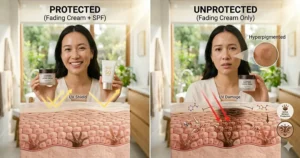
Skipping sunscreen is the number one way people undermine their own progress. Every dermatologist I’ve interviewed emphasizes this: even the best stubborn dark spot fading cream can’t outpace the damage UV exposure creates. Use broad-spectrum SPF 30+ every single day, even indoors (UVA rays penetrate windows), even when it’s cloudy (up to 80% of UV radiation penetrates clouds). Reapply every two hours if you’re outside. If this sounds excessive, consider that one unprotected sun exposure can reverse two weeks of diligent treatment.
Overuse is the second major error. When spots aren’t fading fast enough, the instinct is to apply more product more often. Resist this. Doubling your application won’t double your results — it will double your risk of irritation, which triggers inflammatory hyperpigmentation that creates new dark spots. Stick to the recommended usage (usually twice daily) for at least six weeks before concluding a product isn’t working. Skin cell turnover takes 28 days in your twenties, 45+ days in your forties and beyond. You’re waiting for pigmented cells to make their way to the surface and shed off, which is a biological process that can’t be rushed.
Real-World Case Study: Three Skin Types, Three Approaches
Understanding stubborn dark spot fading cream selection becomes clearer when you see how different skin types and concerns require different approaches. Here are three real scenarios that illustrate the decision-making process:
Case 1: Sarah, 34, Fitzpatrick Type II, Post-Acne Marks
Sarah developed a cluster of dark spots on her cheeks and chin after a severe acne breakout six months ago. Her skin is dry and sensitive, and previous attempts with vitamin C serums caused stinging and redness. What Sarah needs is a gentle formula that won’t trigger more inflammation while steadily fading existing marks.
Recommended approach: The Ordinary Alpha Arbutin 2% + HA as the primary treatment, applied twice daily. The hyaluronic acid addresses her dryness while alpha arbutin works on pigmentation without causing irritation. After four weeks, if results are too slow, add Palmer’s Fade Serum in the evening only for the niacinamide boost. The key is building tolerance gradually — Sarah’s sensitive skin can’t handle aggressive treatments without backlash.
Case 2: James, 47, Fitzpatrick Type V, Melasma
James developed melasma patches on his forehead and upper cheeks that appeared during a period of high stress and sun exposure two years ago. He’s tried over-the-counter brighteners without success, and his dermatologist suggested trying stronger topicals before considering professional treatments. His skin is oily and can handle active ingredients well.
Recommended approach: Topicals Faded Serum as the heavy-hitter, starting with every other evening for two weeks, then daily if tolerance is good. Pair this with Good Molecules Discoloration Correcting Serum every morning for the tranexamic acid coverage. The combination targets melasma through multiple pathways — azelaic acid and kojic acid from Topicals, plus tranexamic acid and niacinamide from Good Molecules. James should commit to at least 12 weeks before evaluating effectiveness, as melasma is notoriously stubborn.
Case 3: Maria, 29, Fitzpatrick Type IV, Sun Damage on Chest and Face
Maria has dark spots scattered across her face, chest, and hands from years of outdoor activities without adequate sun protection. She needs something effective enough for stubborn spots but practical enough to use on large areas beyond just her face. Her skin is combination and generally tolerant of actives.
Recommended approach: HANYWIL Dark Spot Remover for the face and body areas, applied nightly. The retinol-based formula works on multiple spots simultaneously while the larger size makes treating chest and hands economically feasible. Add Peach Slices Super Fade for morning facial application to get tranexamic acid coverage. Maria’s case requires diligent sun protection more than most — any new sun exposure will create more spots faster than treatment can fade existing ones.
Understanding Hyperpigmentation: Why Some Spots Won’t Fade
Before you can effectively treat stubborn dark spot fading cream-resistant discoloration, you need to understand what you’re actually fighting. Hyperpigmentation isn’t one condition — it’s a symptom with multiple causes, and treatment effectiveness depends heavily on matching the right approach to the underlying mechanism.
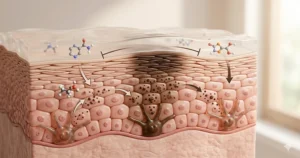
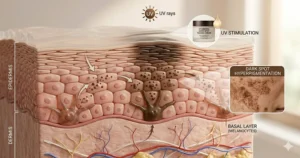
According to Harvard Health, melanin overproduction occurs when skin cells respond to triggers like UV exposure, inflammation, or hormonal changes by ramping up pigment production. The key distinction that determines how stubborn your dark spots will be is where that excess melanin has deposited. Epidermal hyperpigmentation (melanin in the outer skin layers) responds relatively well to topical treatments because the pigmented cells shed naturally during skin turnover. You’re essentially waiting for the dark cells to make their way to the surface and flake off while preventing new pigmentation from forming.
Dermal hyperpigmentation is the villain in stubborn cases. When melanin deposits deep in the dermis (the second layer of skin), topical treatments have a much harder job. The active ingredients need to penetrate past the epidermis to reach those pigment deposits, which is why ingredient molecular size and delivery mechanisms matter so much. This is also why some dark spots fade within weeks while others sit stubbornly on your face for months or years — you’re literally dealing with different depths of pigmentation.
Post-inflammatory hyperpigmentation (PIH) occurs after any skin injury or inflammation — acne, burns, cuts, even aggressive exfoliation. What makes PIH particularly frustrating is that the very act of treating it aggressively can make it worse. Every time you irritate your skin, you trigger an inflammatory cascade that signals melanocytes to produce more pigment as a protective response. This creates a vicious cycle where harsh treatments cause more of the problem they’re trying to solve. The lesson: gentler, consistent treatment beats aggressive, sporadic attacks every time.
Melasma presents unique challenges because it’s driven by hormones and UV exposure in combination. Research from the NIH shows that melasma often develops during pregnancy or with hormonal birth control, appearing as larger patches rather than discrete spots. The patches are typically symmetrical, showing up in matching areas on both sides of the face. What makes melasma so stubborn is that you’re fighting both the existing pigmentation and the ongoing hormonal triggers that keep stimulating melanin production. This is why melasma reducing cream prescription strength options often combine multiple ingredients — you need to block melanin production, accelerate cell turnover, and prevent UV stimulation simultaneously.
The sun protection factor cannot be overstated. UV radiation doesn’t just cause new dark spots — it darkens existing ones. Melanocytes respond to UV exposure by producing more melanin (that’s what a tan is), which means every unprotected moment of sun exposure is actively working against your treatment efforts. Studies show that visible light (not just UV) can darken melasma, which is why mineral sunscreens containing iron oxides are recommended — they block both UV and visible light wavelengths.
Ingredients That Actually Work on Stubborn Dark Spots
The skincare market overflows with products claiming to fade dark spots, but only a handful of ingredients have clinical research backing their effectiveness on truly stubborn hyperpigmentation. Understanding what these ingredients do helps you make informed choices rather than falling for marketing hype.
Tranexamic acid has emerged as the gold standard for stubborn cases in recent years. Originally used to prevent excessive bleeding during surgery, researchers discovered its skin-brightening properties almost by accident. Tranexamic acid works by blocking plasmin, an enzyme that promotes melanin synthesis. What makes it special is that it interrupts melanin production at a different point in the pathway than other brighteners, which is why it works on cases that resisted vitamin C or arbutin treatments. The cetyl tranexamate mesylate form (found in Peach Slices and Good Molecules) has smaller molecules that penetrate deeper, making it more effective on dermal hyperpigmentation.
Niacinamide (vitamin B3) deserves its reputation as the Swiss Army knife of skincare. At concentrations between 2-5%, it reduces melanosome transfer — the process where pigment-containing packets move from melanocytes to surrounding skin cells. But niacinamide does more than just prevent new dark spots. It also strengthens the skin barrier, reduces inflammation, and regulates oil production. This multi-tasking capability is why you’ll find niacinamide in nearly every effective stubborn dark spot fading cream — it treats the discoloration while improving overall skin health so you’re less likely to develop new spots.
Azelaic acid remains underutilized despite impressive clinical results. This naturally occurring acid works by inhibiting tyrosinase (the enzyme that converts tyrosine into melanin) and normalizing keratinization (the process of skin cell turnover). What sets azelaic acid apart is its anti-inflammatory properties — it treats active acne while simultaneously fading the dark marks acne leaves behind. For anyone dealing with PIH treatment for acne scars, azelaic acid is the ingredient that addresses both the cause and the aftermath.
Alpha arbutin offers a gentler path to results. Chemically related to hydroquinone but without the safety concerns, alpha arbutin inhibits tyrosinase activity to reduce melanin production. The “alpha” form is more stable and less likely to break down into hydroquinone on your skin compared to regular arbutin. While results come more slowly with alpha arbutin (8-12 weeks versus 4-6 weeks for stronger ingredients), the gentle profile makes it suitable for sensitive skin and long-term maintenance use.
Kojic acid derived from fungi has strong melanin-inhibiting properties but can be unstable in formulations. The kojic acid dipalmitate form (found in Topicals Faded) addresses this stability issue while retaining effectiveness. Kojic acid works by chelating copper ions that tyrosinase needs to function — essentially starving the enzyme of resources it requires to produce melanin. The main limitation is potential irritation at higher concentrations, which is why it’s often combined with soothing ingredients.
Retinoids accelerate cell turnover, bringing pigmented cells to the surface faster so they shed off sooner. This makes retinol useful for surface-level discoloration, though it won’t directly address deep dermal pigmentation. The catch is that retinoids can cause irritation and sun sensitivity, potentially triggering new dark spots if you’re not religious about sun protection. This is why retinol-based treatments work best in evening routines paired with diligent morning SPF application.
What you don’t need despite marketing claims: “proprietary peptide complexes” without disclosed active percentages, generic “botanical blends” that sound natural but lack clinical evidence, and “instant brighteners” that temporarily lighten skin with mica or other reflective particles rather than treating underlying pigmentation. If an ingredient list is heavy on marketing jargon but light on specific, measurable actives with known mechanisms of action, move on.
Stubborn Dark Spots vs Regular Discoloration: The Critical Difference
Not all dark spots deserve the “stubborn” label, and understanding the difference saves you from wasting time and money on treatments you don’t need. Regular discoloration typically responds to consistent use of basic brightening ingredients within 4-8 weeks. Stubborn dark spots are the ones that persist despite months of treatment or that return quickly after fading. Here’s what separates the two categories and why it matters for treatment selection.
Depth of pigmentation: Fresh dark spots from a recent breakout or minor sun exposure typically sit in the epidermis where they’re accessible to topical treatments. These respond well to vitamin C, gentle exfoliation, and SPF protection. Stubborn dark spots often have dermal pigmentation — melanin deposits that have migrated into the deeper skin layers. Topical treatments can still work on these, but you need ingredients with smaller molecular weights or enhanced delivery systems to reach the dermis. This is why stubborn dark spot fading cream formulations emphasize penetration enhancers and active ingredient stability.
Inflammatory component: Simple hyperpigmentation occurs from sun exposure or aging without ongoing inflammation. Stubborn cases often have an inflammatory component that keeps stimulating melanin production. PIH from severe acne, melasma with hormonal triggers, or discoloration in areas that experience friction (like inner thighs or underarms) all have active inflammatory processes that perpetuate pigmentation. These require multi-ingredient approaches that calm inflammation while addressing pigmentation.
Recurrence patterns: Regular dark spots may fade with treatment and stay faded with good sun protection. Stubborn spots tend to darken again quickly when you stop treatment or get casual about SPF. This rebound effect suggests deeper pigmentation or ongoing triggers (hormonal, inflammatory, or environmental) that simple brightening creams can’t fully address. For these cases, you’re looking at maintenance treatment as a long-term commitment rather than a short-term fix.
Response to standard treatments: If you’ve used a well-formulated vitamin C serum or niacinamide product consistently for three months with zero improvement, you’re dealing with stubborn hyperpigmentation. Regular spots should show at least subtle lightening within that timeframe. The lack of response signals either dermal depth, resistant melanin, or ongoing triggers that need a different therapeutic approach.
The treatment implications are significant. Regular discoloration might clear up with one well-chosen serum and good sun habits. Stubborn cases require combination therapy — multiple ingredients attacking melanin production from different angles, potentially pairing topical treatments with professional procedures like chemical peels or laser therapy. Understanding which category your dark spots fall into prevents the frustration of trying gentle treatments on severe cases or overwhelming your skin with aggressive ingredients when gentler options would work fine.

Common Mistakes When Using Dark Spot Fading Creams
I’ve analyzed hundreds of frustrated reviews from people claiming products “don’t work,” and the pattern is clear: most failures come from user error rather than product ineffectiveness. Here are the mistakes that sabotage results and how to avoid them.
Mistake 1: Expecting overnight transformation
Dark spots took weeks or months to develop — they won’t vanish in days. Melanin production and skin cell turnover operate on biological timelines that skincare can enhance but not override. Expecting visible results in less than four weeks sets you up for disappointment and product-hopping that prevents anything from working. Commit to eight weeks minimum before deciding a treatment isn’t effective. Mark your calendar with start dates and check-in points rather than scrutinizing your mirror daily.
Mistake 2: Inconsistent application
Using your stubborn dark spot fading cream Monday through Friday but skipping weekends, or remembering it in the morning but forgetting at night, gives you half the dose and less than half the results. Melanin production happens 24/7, which is why most effective protocols call for twice-daily application. If you struggle with consistency, attach the habit to something you already do religiously — brush teeth, then apply serum. Set phone reminders. Prep your products the night before. Consistency beats perfect product selection every time.
Mistake 3: Mixing incompatible ingredients
The DIY approach of combining multiple active serums can backfire. Vitamin C with niacinamide (depending on pH), retinol with AHAs, or multiple exfoliating acids together can either neutralize each other’s effectiveness or irritate skin enough to trigger new dark spots. If you want to use multiple actives, follow the AM/PM split: vitamin C and tranexamic acid in the morning, retinol or azelaic acid at night. Or alternate days: niacinamide serums on even days, alpha hydroxy acids on odd days. Give your skin recovery time between powerful treatments.
Mistake 4: Neglecting the rest of your routine
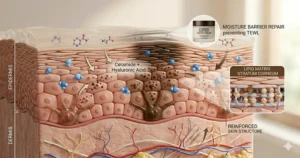
You can’t use harsh cleansers that strip your skin barrier, skip moisturizer because your skin is oily, and then expect a brightening serum to work miracles. Barrier function directly impacts how well actives penetrate and whether your skin can tolerate effective concentrations. A compromised barrier means more irritation, more inflammation, and potentially more dark spots. Build a complete routine: gentle cleanser, targeted treatment serums, moisturizer appropriate for your skin type, and non-negotiable SPF.
Mistake 5: Forgetting about UV protection
This deserves its own section because it’s the single most common failure point. You can use the most effective stubborn dark spot fading cream available, apply it perfectly twice daily, and still make zero progress if you’re not blocking UV radiation. One afternoon of sun exposure can reverse weeks of diligent treatment. Broad-spectrum SPF 30+ every morning is non-negotiable. Reapply if you’re outdoors for extended periods. Consider mineral sunscreens with iron oxides for melasma since they block visible light that can darken pigmentation.
Mistake 6: Using expired or improperly stored products
Brightening actives degrade over time, especially when exposed to light, heat, or air. That vitamin C serum that’s been sitting in your sunny bathroom for eight months? It’s probably oxidized and useless. Store products in cool, dark places (medicine cabinets work better than shower shelves). Check expiration dates. If a serum changes color or smells off, replace it regardless of the date. Airless pump packaging helps preserve stability, which is why brands serious about efficacy use it.
How Long Until You See Results?
The question everyone asks and few products answer honestly. The timeline for seeing improvement in stubborn dark spots depends on multiple factors: the depth and age of your pigmentation, your skin type and tone, the specific ingredients you’re using, and how consistently you apply them. Here’s what realistic expectations look like based on clinical data and thousands of user experiences.
Weeks 0-2: The invisible foundation phase
Don’t expect to see anything visible yet. What’s happening beneath your skin is the important part — active ingredients are beginning to inhibit melanin production and accelerate cell turnover. This is when many people give up, mistakenly thinking “nothing is happening.” Resist the urge to add more products or increase application frequency. Your job during these two weeks is consistency and patience while the biological processes begin.
Weeks 2-4: First subtle changes
Most people with surface-level epidermal pigmentation start noticing their dark spots looking slightly lighter or less angry. The edges may begin to blur. Your overall skin tone might look more even even if individual spots haven’t dramatically faded. These subtle changes are legitimate progress — they indicate the treatment is working and pigmented cells are beginning to shed. This is also when some people experience mild purging or adjustment as skin adapts to active ingredients. Don’t panic and quit; push through.
Weeks 4-8: Visible improvement phase
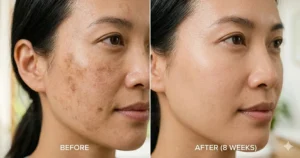
This is when results become obvious enough that other people might comment. Lighter, newer dark spots may have faded 40-60%. Stubborn, older spots typically show 20-30% improvement. Some spots may have shrunk in size even if they haven’t lightened dramatically yet. Your skin’s overall luminosity should be noticeably better. If you’re taking progress photos (which you should be), this is when the difference becomes clear.
Weeks 8-12: Stubborn case breakthrough
Deeper dermal pigmentation finally starts responding. Those ancient dark spots that seemed permanent begin to lighten measurably. Some may have faded 50%+ by now. Others might still be stubbornly hanging on but showing definite improvement. This extended timeline is why dermatologists recommend giving any hyperpigmentation treatment at least 12 weeks before declaring it ineffective. For melasma and severe PIH treatment for acne scars, this is the minimum timeframe for evaluation.
12+ weeks: Maintenance and continued improvement
Some dark spots completely fade. Others plateau at 70-80% improvement — good enough that only you notice them in harsh lighting. Continued use prevents new spots from forming and maintains the improvements you’ve achieved. This is the point where you transition from aggressive treatment to maintenance mode, potentially reducing application frequency or switching to gentler formulations for ongoing prevention.
Factors that slow results:
Age (slower cell turnover as you get older), depth of pigmentation (dermal spots take longer), skin tone (darker skin types may need extended timelines), ongoing triggers (hormonal fluctuations, continued UV exposure), and poor barrier function (damaged skin can’t absorb actives effectively). If you’re over 40 with deep melasma, you’re looking at the longer end of these timelines. If you’re in your twenties with fresh post-acne marks, you’ll likely see faster results.
Factors that speed results:
Combining topical treatments with professional procedures (chemical peels, laser therapy), addressing underlying triggers (hormonal balance, sun protection), using multiple synergistic ingredients, and maintaining excellent barrier function with proper moisturization. Some people see dramatic improvement in 4-6 weeks; others need 16+ weeks for the same level of change. Both timelines are normal and valid.
Professional Treatments vs At-Home Creams: When to Escalate
There comes a point where stubborn dark spot fading cream alone isn’t enough, and knowing when to seek professional help prevents months of futile effort. Here’s how to recognize when you’ve hit the limits of what topical treatments can achieve and what professional options can add.
Signs you need professional intervention:
You’ve used well-formulated products consistently for 12+ weeks with zero visible improvement. Your dark spots are spreading or darkening despite treatment. You’re dealing with melasma that covers large areas and has shown resistance to multiple topical approaches. Post-inflammatory hyperpigmentation from acne or injury has been present for over a year without lightening. You’re experiencing emotional distress that impacts your quality of life.
Chemical peels use controlled acid solutions to remove outer skin layers, taking pigmented cells with them. Superficial peels (glycolic acid, salicylic acid) can be done monthly and work well for mild to moderate surface discoloration. Medium-depth peels (TCA) reach deeper but require downtime and carry higher risks of post-inflammatory hyperpigmentation, especially in darker skin tones. The advantage over topicals is forced exfoliation that removes pigmented cells all at once rather than waiting for natural turnover.
Laser therapy targets melanin directly with concentrated light energy that breaks up pigment deposits. Different laser types target different depths and pigment types. Q-switched lasers work well on discrete dark spots. Picosecond lasers offer gentler treatment with less downtime. Fractional lasers resurface skin while treating pigmentation. The catch: lasers carry significant risk of triggering new hyperpigmentation in medium to dark skin tones, which is why finding an experienced provider who understands melanin-rich skin is critical.
Microneedling creates controlled micro-injuries that stimulate skin renewal while allowing topical treatments to penetrate deeper. Combined with tranexamic acid or vitamin C during treatment, it can accelerate results on stubborn cases. Less risky than lasers for darker skin but requires multiple sessions (typically 4-6 spaced 4 weeks apart) and professional equipment for safety.
Prescription treatments include hydroquinone at 4%+ concentration (still available by prescription despite OTC restrictions), tretinoin (prescription retinoid stronger than over-the-counter retinol), and tri-luma (combination of hydroquinone, tretinoin, and corticosteroid). These carry higher effectiveness but also higher risks of irritation and rebound hyperpigmentation if used incorrectly or stopped abruptly.
The smart strategy combines professional treatments with at-home maintenance. Get chemical peels quarterly while using tranexamic acid and niacinamide serums daily between sessions. Do a laser series to break up deep pigmentation, then maintain results with alpha arbutin and diligent sun protection. Professional treatments can achieve in one session what might take months with topicals alone, but the results won’t last without ongoing home care to prevent new dark spots.
Frequently Asked Questions
❓ How long does stubborn dark spot fading cream take to work on melasma?
❓ Can you use stubborn dark spot fading cream while pregnant?
❓ What's better for dark spots: cream or serum?
❓ Do dark spots come back after fading?
❓ Why are some dark spots resistant to all treatments?
Conclusion: Your Path to Clearer Skin Starts with the Right Choice
After examining seven proven stubborn dark spot fading cream options, analyzing their ingredient profiles, and understanding what separates effective treatments from marketing hype, the path forward becomes clear. Success with stubborn hyperpigmentation isn’t about finding a miracle product — it’s about matching the right treatment to your specific type of dark spots, committing to consistent use for adequate timelines, and building a complete routine that supports results rather than sabotaging them.
For budget-conscious buyers dealing with post-acne marks or early-stage discoloration, Palmer’s Fade Serum, Good Molecules, or The Ordinary deliver clinical-grade ingredients at accessible prices. If you’re battling deep-set melasma or hyperpigmentation that’s resisted gentler options, Topicals Faded or Peach Slices Super Fade provide the multi-ingredient firepower needed to break through stubborn cases. HANYWIL serves the practical need of treating multiple body areas efficiently, while Ambi Even & Clear brings 50 years of skin tone expertise to a hydroquinone-free formula.
The common thread running through every successful dark spot journey is consistency paired with realistic expectations. Eight to twelve weeks of twice-daily application, non-negotiable sun protection, and a complete routine that supports barrier function while delivering active ingredients. No amount of product-hopping or overnight miracle claims will substitute for this foundation. Choose your treatment based on your specific pigmentation type, your skin’s tolerance level, and your ability to commit to the timeline required. Then give it the full trial period it deserves before moving on.
Your dark spots didn’t appear overnight. They won’t disappear that way either. But with the right stubborn dark spot fading cream and the discipline to use it consistently, those patches that seemed permanent can fade to memories. Start with one product from this list, commit to three months, and adjust from there. The clearer, more even-toned skin you’re working toward is achievable — you just need to be as stubborn as those dark spots have been.
Recommended for You
- 7 Best Age-Defying Daily Moisturizers That Actually Work (2026 Guide)
- 7 Best Preventative Anti-Aging Routine 25 Products – 2026
- 7 Best Longevity Focused Skincare Routine Products (2026)
Disclaimer: This article contains affiliate links. As an Amazon Associate, I earn from qualifying purchases. If you purchase products through these links, we may earn a small commission at no additional cost to you.
✨ Found this helpful? Share it with your friends! 💬🤗
